
1500 (year)
Overview of the year 1500: calendar, cultural and religious significance, its place as a conventional boundary between medieval and early modern eras, and key developments in exploration, art, and global contact.
Overview
The year 1500 (MD) was a leap year beginning on Wednesday in the Julian calendar; it is not considered a leap year in the proleptic Gregorian calendar. Contemporaries and later historians have treated 1500 as a symbolic milestone: it marks the midpoint of the second millennium (500 years before and after), and it is often cited, somewhat arbitrarily, as a transition point from the Middle Ages to the Early Modern era.
Image gallery
7 Images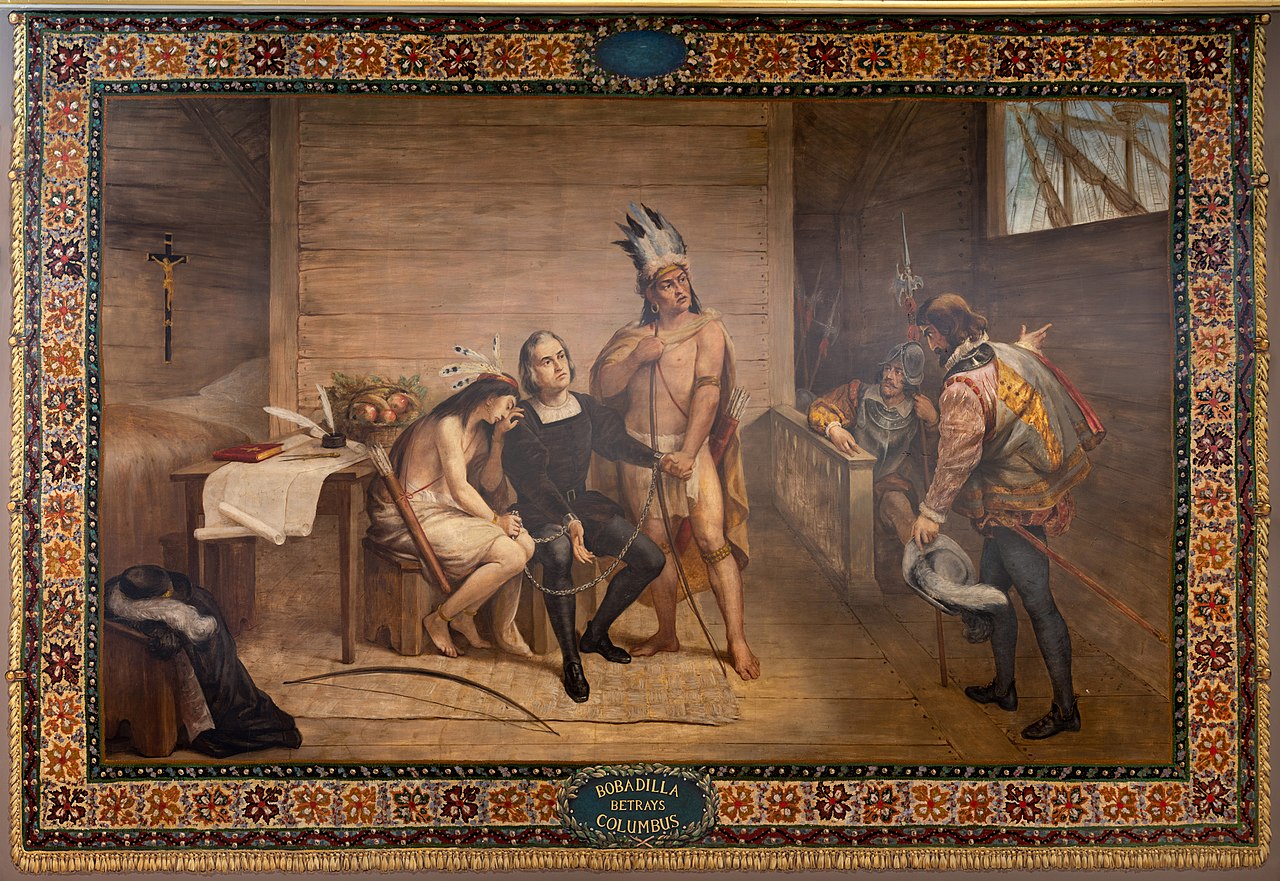


Cultural and religious context
Many Christians in Europe regarded 1500 with special interest and anxiety. Interpretations of the Book of Revelation and phrases such as "time, times, and half a time" (sometimes rendered as "half-time after the time") led some readers to expect apocalyptic developments around that date. Such expectations were amplified by rapid changes—political centralization, religious debate, and especially the news of lands across the Atlantic—so that 1500 felt to some like an era of endings and beginnings. Historians caution that prophetic calculations and popular beliefs varied widely and were not uniform across Europe.
Why 1500 is seen as a turning point
The idea that 1500 separates the medieval and early modern periods is a historiographical convenience rather than a single decisive break. Several overlapping transformations around this time help explain the convention:
- Expansion of long-distance sea voyages and the beginnings of sustained contact between Europe, Africa, and the Americas.
- The spread of printing and the widening circulation of books, which accelerated cultural and intellectual change.
- Artistic developments associated with the High Renaissance in Italy and related movements elsewhere.
- Growth of centralized monarchies and early modern state institutions that shifted political power structures.
Exploration and global contact
The last decade of the 15th century and the opening years of the 16th produced dramatic geographic expansion from a European perspective. Voyages of Portuguese and Spanish sailors established new maritime routes and overseas claims. In 1500 a Portuguese fleet under Pedro Álvares Cabral reached the coast of what became known as Brazil, an event that inaugurated European colonization of parts of South America. These voyages set the stage for the long-term processes often called the Columbian Exchange: the transfer of plants, animals, peoples, technologies and diseases between the Old and New Worlds.
Intellectual, artistic and economic change
Around 1500 the Renaissance was maturing in Italy and influencing other parts of Europe, with painters, sculptors and architects producing work that emphasized naturalism, proportion and classical models. The invention and diffusion of movable-type printing in the previous century had by this time become a powerful engine for spreading ideas, literacy, and scholarly debate. Economically, expanding trade networks, the rise of merchant capital, and evolving financial practices contributed to shifts often associated with the emergence of early modern economies.
Notable facts and distinctions
- 1500 is a useful chronological marker but not a firm historical rupture; many changes associated with the early modern world unfolded gradually over decades or centuries.
- The year's apocalyptic reputation reflects popular and elite millenarian currents, but such expectations were localized and debated.
- As a calendar note: leap-year calculations differ between the Julian and Gregorian systems, so dating can vary when later calendars are applied retroactively.
Taken together, the events and cultural rhythms around 1500 illustrate a world in motion: expanding connections across oceans, intensifying intellectual exchange, and political transformations that would shape the centuries to come.
Questions and answers
Q: What was the significance of the year 1500 among many Christians in Europe?
A: Many Christians in Europe believed that the year 1500 would bring the beginning of the end of the world, based on the phrase "half-time after the time" in the Book of Revelation.
Q: Was the year 1500 a leap year in the Julian calendar?
A: Yes, the year 1500 was a leap year starting on Wednesday in the Julian calendar.
Q: Was the year 1500 a leap year in the Proleptic Gregorian calendar?
A: No, the year 1500 wasn't a leap year in the Proleptic Gregorian calendar.
Q: What event influenced the significance of the year 1500 in Europe?
A: The discovery of the Americas in 1492 greatly influenced the significance of the year 1500.
Q: What is the historical significance of the year 1500?
A: The year 1500 is often identified as marking the end of the Middle Ages and beginning of the Early Modern Era.
Q: What milestone does the year 1500 mark?
A: The year 1500 marked the halfway point of the 2nd millennium, with 500 years before it and 500 years after it.
Q: What calendar was the year 1500 a leap year in?
A: The year 1500 was a leap year in the Julian calendar.
Related articles
Author
AlegsaOnline.com 1500 (year) Leandro Alegsa
URL: https://en.alegsaonline.com/art/111423