
1579: Unions, Revolt, and Exploration
A survey of the year 1579, marked by political realignments in the Low Countries, voyages of exploration on the Pacific coast, and the wider context of the European Wars of Religion and the Age of Discovery.
1579 was a year of political reconfiguration and maritime activity set against the larger backdrop of the Reformation and the Age of Discovery. In northwestern Europe the Dutch Revolt continued to reshape alliances; in the wider Atlantic and Pacific spheres English seafarers expanded their reach. These developments played a part in long-term changes to statehood, colonial claims, and the balance of power in Europe.
Image gallery
3 Images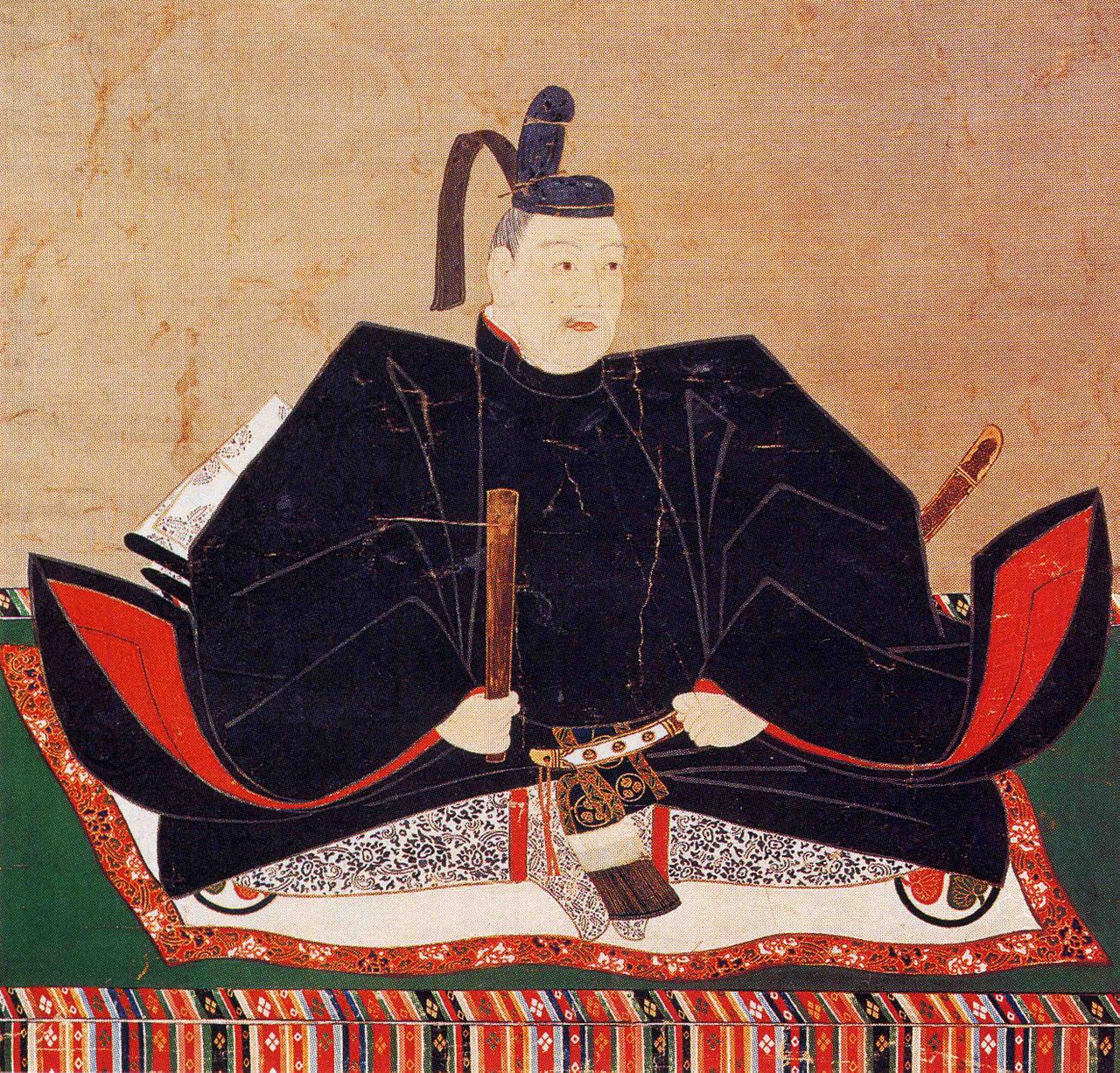
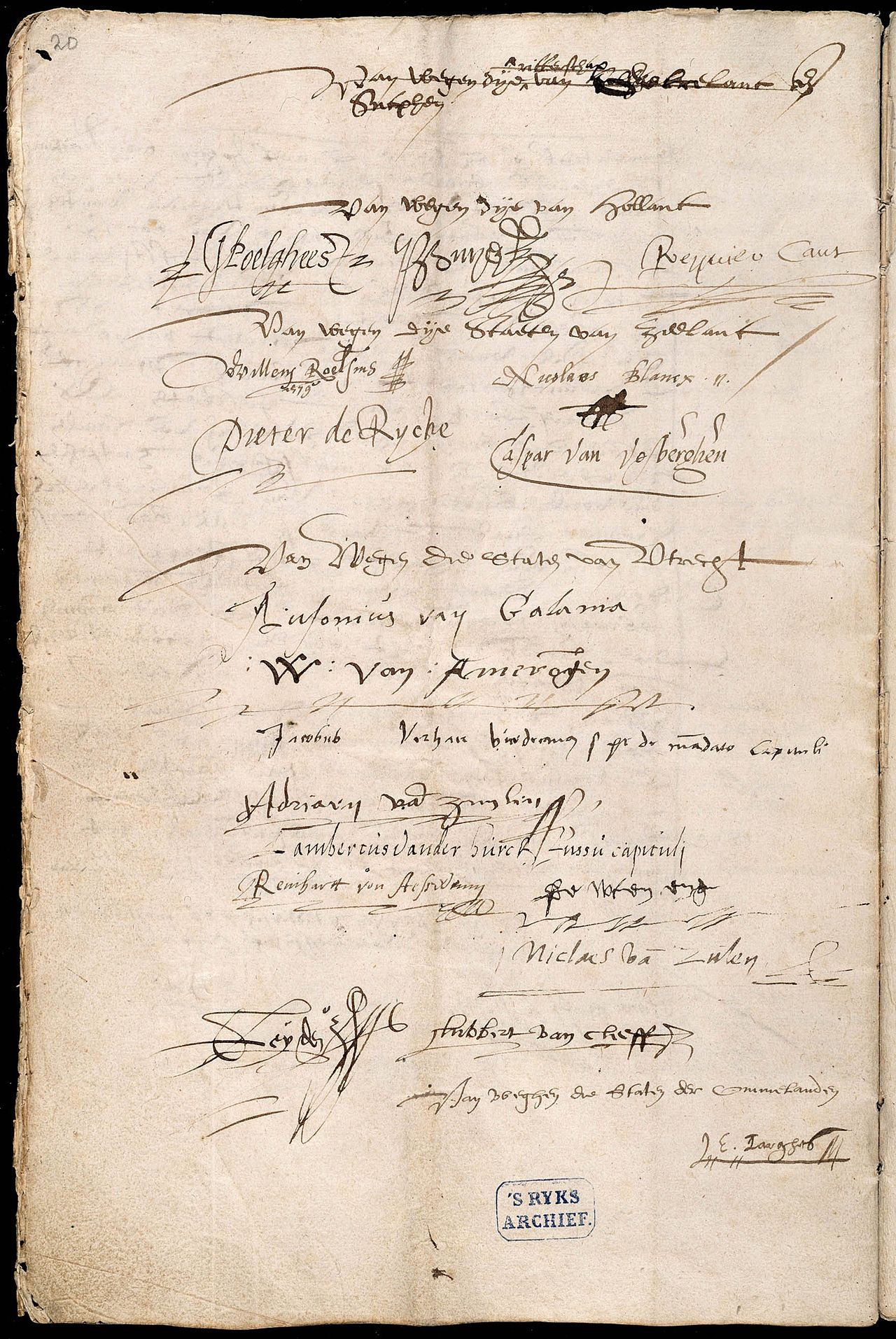
Political realignments in the Low Countries
In early 1579 the provinces of the Habsburg Netherlands split along political and religious lines. Several southern provinces sought reconciliation with the Spanish crown, while a coalition of northern provinces moved toward mutual defence and greater autonomy. These competing agreements formalized the division between areas that remained loyal to Philip II of Spain and those that would develop the institutions of the Dutch Republic.
Exploration and overseas claims
Maritime exploration and privateering continued to affect European rivalries. During 1579 English navigators operated on the Pacific coast of North America, visiting and charting stretches of coastline and making informal claims in the name of the English crown. Such voyages added new geographic knowledge and fed rivalry with Iberian sea powers, who asserted exclusive rights in many Atlantic and Pacific regions.
Wider context and cultural notes
The events of 1579 should be read within ongoing processes: the European wars of religion, dynastic contestation, and commercial expansion. Cities and provinces negotiated religious toleration, military alliances, and trade priorities. Across Europe, art, printing, and scholarship continued to flourish under varying degrees of patronage and censorship.
Notable developments and legacy
- The political agreements reached in the Low Countries that year contributed to the eventual emergence of separate northern and southern polities.
- English voyages of the period extended European geographic knowledge of the Atlantic and Pacific seaboards and presaged later colonial competition.
- 1579 exemplifies the intersection of confessional conflict and imperial expansion that characterized late 16th-century Europe.
Although not every local event from 1579 is commonly remembered today, the diplomatic and maritime actions of that year had consequences that resonated through the following decades: strengthening of regional identities in the Low Countries, intensifying Anglo‑Iberian rivalry, and continued acceleration of global contacts that reshaped trade and politics.
Related articles
Author
AlegsaOnline.com 1579: Unions, Revolt, and Exploration Leandro Alegsa
URL: https://en.alegsaonline.com/art/111506