
1587 (year)
Overview of the year 1587: key events in politics, exploration and colonization, notable deaths and cultural context, plus calendar and chronological notes.
Overview
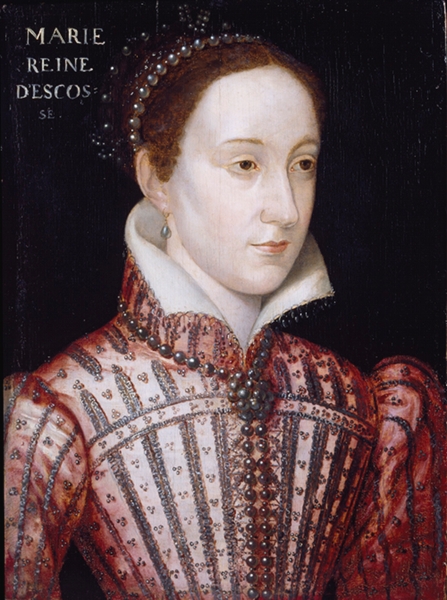
1587 was a common year which began on Thursday. The year is remembered for a number of events that influenced late 16th-century politics and exploration: the execution of Mary, Queen of Scots; the establishment of the Roanoke settlement in North America; and continued military and political consolidation in regions from Europe to Japan. These events reflect the global tensions of the period, including religious conflict, colonial expansion and rivalries between emerging nation-states.
Image gallery
10 Images



Major political and military events
One of the most consequential political acts of 1587 was the execution of Mary, Queen of Scots, which removed a focal point for Catholic opposition to Elizabeth I of England. In Europe, the wars of religion and dynastic struggles persisted, with intermittent battles and shifting alliances. In East Asia, powerful daimyo such as Toyotomi Hideyoshi completed campaigns that further centralized authority in Japan, altering the balance of regional power.
Exploration and colonization
English efforts at overseas colonization continued to expand. The Roanoke expedition of 1587 established a settlement on the coast of what is now North Carolina; the colony later became known as the "Lost Colony" after it was found abandoned. Virginia Dare, commonly cited as the first English child born in the Americas, was born in the Roanoke settlement in 1587. These ventures were sponsored by private adventurers and reflected growing English interest in the Atlantic and North American coastlines.
Culture and society
Across Europe and beyond, the late 16th century was a period of cultural ferment. Literary, religious and scientific activities continued to develop within a climate shaped by confessional conflict and courtly patronage. Patronage networks, printing presses and growing information exchange helped spread ideas, while exploration brought new goods and knowledge into European markets and collections.
Notable births and deaths
- Death: Mary, Queen of Scots (executed in 1587), a central figure in the political and religious struggles of Elizabethan Britain.
- Birth: Virginia Dare, traditionally noted as the first English child born in the New World (Roanoke colony, 1587).
Calendars and chronology
The way the year was recorded depended on which calendar was in use: some Catholic countries had adopted the Gregorian calendar after 1582, while others—most notably England—continued to use the Julian calendar for several more decades. For readers consulting older sources, that means the exact weekday a year began on and some dated events may appear different depending on the calendar system employed. For further background on calendar conventions see contemporary calendar systems.
Related articles
Author
AlegsaOnline.com 1587 (year) Leandro Alegsa
URL: https://en.alegsaonline.com/art/111515