
1578
Overview of the year 1578, a common year in the Julian calendar notable for the Battle of Alcácer Quibir and its political consequences, cultural context, and calendar details.
The year 1578 was a common year in the late 16th century. It is conventionally dated within the Julian calendar and is remembered most prominently for a catastrophic military defeat that reshaped Iberian politics. The year falls in the middle of the European Age of Discovery and the religious and dynastic conflicts that characterized the period.
Image gallery
7 Images



Calendar and chronology
In contemporary usage 1578 was recorded under the Julian calendar. Chronological sources often describe it as a common year that began on a Wednesday; detailed day-by-day layouts for the year are available in archival calendars and reconstructions (full calendar).
Major events
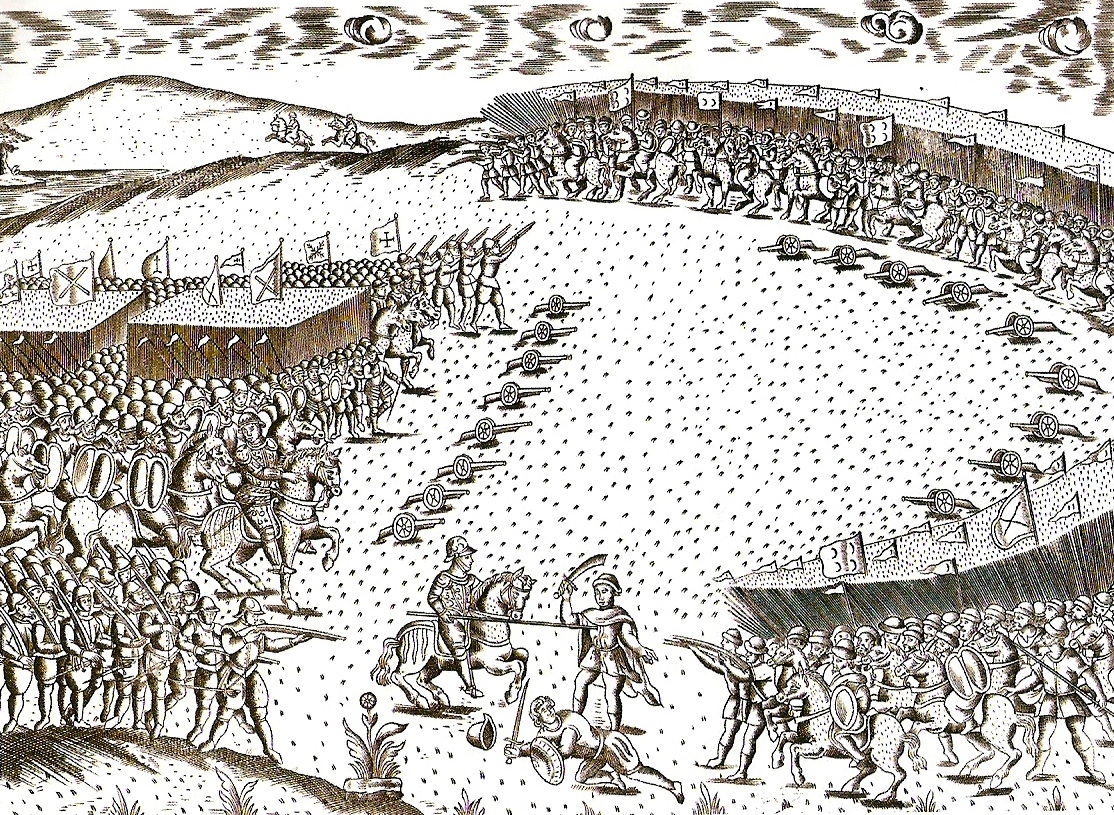
- Battle of Alcácer Quibir (also called the Battle of the Three Kings): Fought on 4 August 1578 in northern Morocco, this confrontation involved Portuguese forces led by King Sebastian of Portugal and opposing Moroccan factions. The battle ended in heavy losses for the Portuguese and the death of their king, an outcome that provoked a dynastic crisis in Portugal.
- Broader geopolitical and colonial activity: 1578 occurred amid ongoing exploration and competition between European powers for trade and territories overseas. Diplomacy, privateering, and regional wars continued to influence states' fortunes across Europe, North Africa, and the Atlantic.
Consequences and legacy
The death of a reigning Portuguese monarch without a clear heir after the 1578 defeat set in motion a succession dispute that weakened Portugal’s independence and contributed to the Iberian political realignment that culminated in the late 1570s and early 1580s. The battle also had immediate repercussions in Morocco and affected relations between North African states and European kingdoms.
Cultural and historical context
1578 sits within a decade marked by religious conflict following the Reformation, expanding global trade networks, and artistic and scientific activity across Europe. While not every cultural milestone of the period is tied to a single year, events in 1578 reflect the era’s mix of maritime ambition, dynastic risk, and shifting balances of power.
Notable deaths and people
Among the most consequential deaths associated with the year was that of the Portuguese king who fell in battle; other military and political leaders also perished or were displaced by the fighting and its aftermath. For a chronological listing of births, deaths and specific regional incidents, consult contemporary annals and specialized historical compilations.
Related articles
Author
AlegsaOnline.com 1578 Leandro Alegsa
URL: https://en.alegsaonline.com/art/111505