
1577: A Year of Exploration and Astronomical Discovery
Overview of the year 1577, highlighting major events such as Francis Drake's circumnavigation departure, the Great Comet observed by Tycho Brahe, and broader political and cultural contexts across Europe and Asia.
Overview
The year 1577 fell in the late Renaissance and the age of overseas exploration. It was marked by ambitious voyages, striking astronomical observations and continued religious and political conflict across Europe. Scientific thinking began to challenge ancient cosmological ideas, while European powers pushed further into global maritime trade and privateering.
Image gallery
6 Images


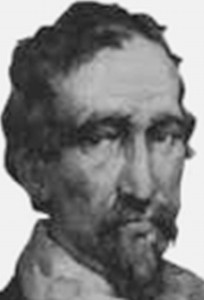
Astronomy: the Great Comet of 1577
One of the most memorable phenomena of 1577 was the bright comet that appeared in the autumn. Observers across Europe and Asia recorded its passage. The Danish astronomer Tycho Brahe made systematic observations of this comet and used them to argue that comets traveled beyond the lunar sphere, contradicting the Aristotelian view that comets were atmospheric phenomena. These conclusions contributed to the gradual shift toward a modern understanding of the heavens.
Exploration and navigation
1577 is notable in maritime history because English seafarer Sir Francis Drake set out that year on the voyage that would become his circumnavigation of the globe. Departing from the English coast in late 1577, his expedition combined privateering, trade objectives and geographical discovery. Such voyages reflected growing skills in navigation, cartography and ship design that expanded European presence worldwide.
Politics and conflict
Across Europe, the long aftermath of the Reformation continued to shape politics: the Low Countries remained embroiled in resistance to Habsburg rule, and the wider pattern of confessional tension influenced diplomacy and warfare. In Eastern Europe and Russia, protracted conflicts such as the Livonian War persisted, affecting the balance of power in the Baltic. In East Asia, established dynasties—including the Ming in China and rapidly consolidating warlords in Japan—pursued their own internal and regional projects of state building.
Cultural and scientific currents
The cultural landscape combined late Renaissance art and humanist learning with practical advances in shipbuilding, navigation and observational science. The exchange of knowledge—through letters, travel accounts and mercantile networks—helped spread new ideas. Figures such as Tycho Brahe exemplified a move toward careful empirical measurement that would accelerate in subsequent decades.
Notable facts and legacy
- The 1577 comet played a key role in undermining ancient cosmological models and encouraged closer astronomical measurement.
- Drake’s voyage, begun in 1577, later had diplomatic and economic repercussions, strengthening English maritime endeavor.
- The year belongs to a period when exploration, scientific observation and confessional politics interacted to reshape the early modern world.
Related articles
Author
AlegsaOnline.com 1577: A Year of Exploration and Astronomical Discovery Leandro Alegsa
URL: https://en.alegsaonline.com/art/111504