
Year 1570
Overview of the year 1570: political and religious events, exploration and cartography, cultural developments, and notable historical context in Europe and the Mediterranean.
1570 was a year of significant political, religious and cultural developments in late 16th-century Europe. In the context of the ongoing struggle between rising Ottoman power and European states, and amid the intensifying confessional divisions of the Reformation and Counter-Reformation, 1570 saw events that shaped diplomacy, cartography, and military conflict for years to come.
Image gallery
6 Images


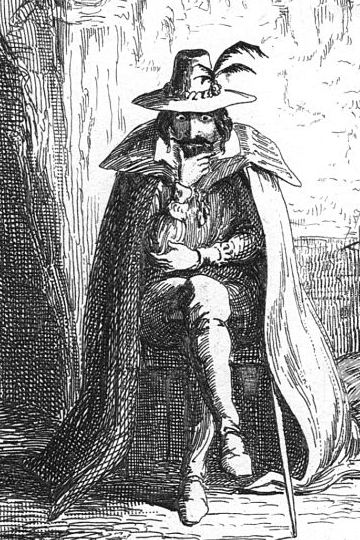
Major political and military events
- Ottoman expansion in the eastern Mediterranean accelerated: Ottoman forces launched a campaign against Venetian possessions in the eastern Mediterranean in 1570, initiating operations on the island of Cyprus that culminated in sieges and a changed balance of naval power.
- In northern Europe, the long-running Northern Seven Years’ War concluded with a negotiated settlement in 1570, bringing a temporary peace between competing Scandinavian crowns.
- Diplomatic tensions between Catholic and Protestant powers continued to affect internal and external politics across Europe, influencing alliances and plots without resolving underlying confessional conflicts.
Religion and diplomacy
The religious landscape remained volatile. Papal initiatives and responses to Protestant monarchs increased the stakes of religious allegiance and political loyalty. These developments contributed to a climate in which international and domestic politics were frequently judged through confessional lenses, with consequences for sovereignty and diplomacy.
Culture, science and exploration
1570 is notable in the history of cartography: Abraham Ortelius published the Theatrum Orbis Terrarum in Antwerp, often regarded as the first modern atlas because it collected uniform maps in a single, commercially produced volume. Printing, mapmaking and the publication of travel accounts continued to shape Europeans’ knowledge of the wider world.
Notable facts and legacy
The events of 1570 — from Mediterranean warfare to diplomatic settlements and the spread of printed knowledge — illustrate patterns that defined the late Renaissance: intensifying state competition, confessional rivalry, and increasing reliance on published maps and texts. These trends contributed to later crises and cultural achievements in the latter part of the 16th century.
Calendar note: in the prevailing European Julian calendar, 1570 was a common year beginning on Sunday; see the contemporary calendar for context on dating and chronology.
Related articles
Author
AlegsaOnline.com Year 1570 Leandro Alegsa
URL: https://en.alegsaonline.com/art/111497