
1566
1566 was a pivotal year marked by the Iconoclastic Fury in the Low Countries and the death of Ottoman sultan Suleiman the Magnificent during the Siege of Szigetvár, amid wider Reformation and imperial struggles.
Overview
The year 1566 sits in the middle of the sixteenth century, a period shaped by the Protestant Reformation, rivalry among European dynasties, Ottoman expansion, and the continuing effects of the Age of Discovery. In several regions 1566 proved decisive: religious conflict erupted into public violence in the Low Countries, while in southeastern Europe a major Ottoman campaign ended with the death of a long‑reigning sultan. These events deepened political divisions that would shape the following decades.
Image gallery
10 Images




Major events
- Iconoclastic Fury (Beeldenstorm) — In the Low Countries (roughly present‑day Belgium and the Netherlands) attacks on statues and decorations in Catholic churches spread in the summer of 1566. The wave of iconoclasm reflected rising Calvinist sentiment and popular resentment toward ecclesiastical and Spanish authority, and it accelerated tensions that led to prolonged uprising.
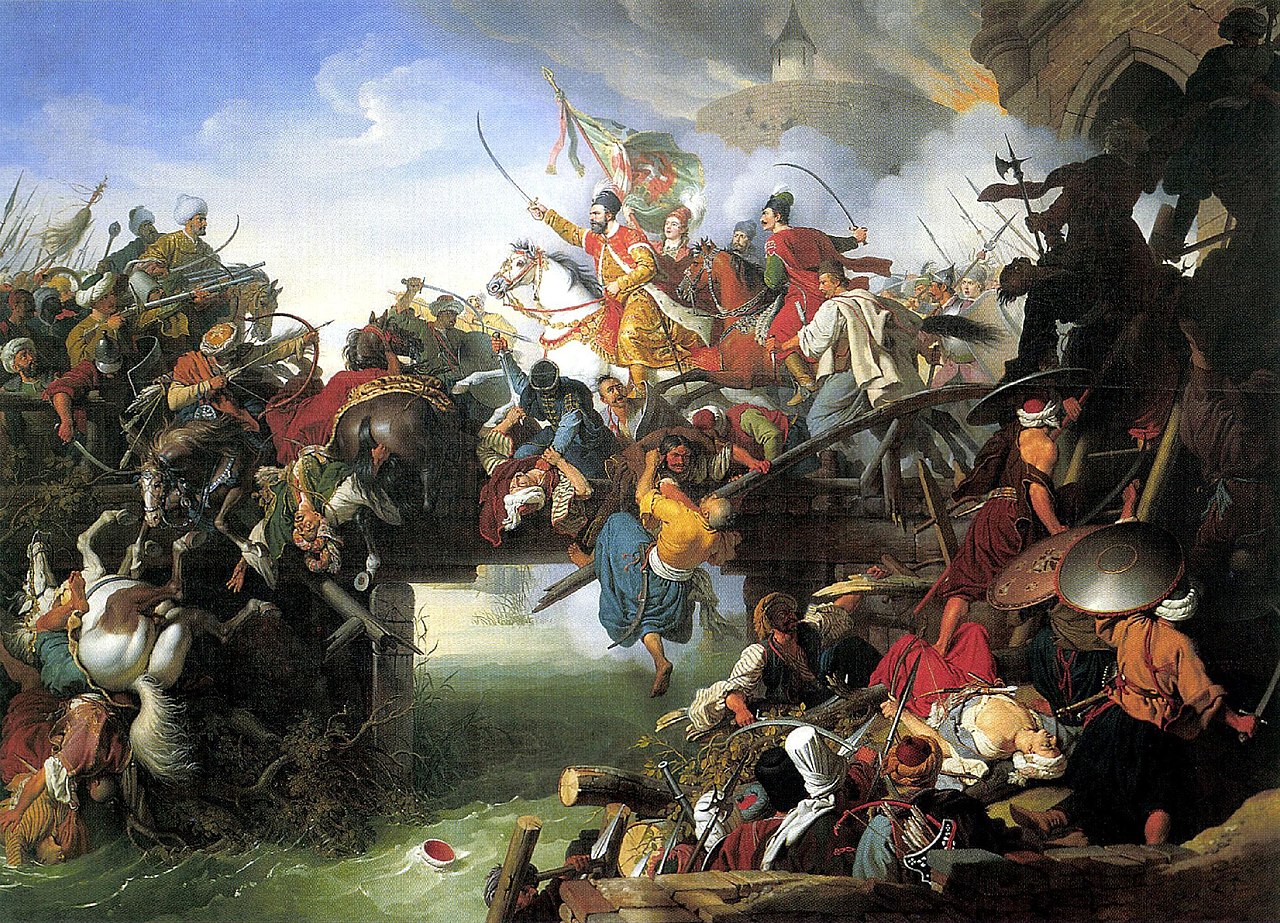
- Siege of Szigetvár and the death of Suleiman — Ottoman forces campaigned in Hungary; during the 1566 siege of Szigetvár the aged Sultan Suleiman the Magnificent died. His passing ended an era of Ottoman expansion and left important military and diplomatic consequences for Central Europe.
Political and military context
1566 occurred against a backdrop of overlapping conflicts. The Habsburg monarchy, ruling Spain and the Netherlands, faced internal religious dissent and fiscal strain. The Ottoman Empire continued to confront the Habsburgs along its European frontier while administering a vast, multiethnic realm. Local disputes about religion, taxation, and governance often had wider international repercussions, drawing states into longer wars and reshaping alliances.
Culture, religion and society
Religious change influenced everyday life: reformist preaching spread, printed tracts circulated more widely, and iconoclastic actions revealed how theological disagreements could spill into communal violence. At the same time, music, visual arts and humanist learning flourished across Europe, though cultural production was frequently entangled with confessional identities.
Notable deaths
- Suleiman the Magnificent, the Ottoman sultan whose long reign (1520–1566) presided over territorial growth and major legal and cultural developments.
- David Rizzio, Italian-born secretary of Mary, Queen of Scots, whose murder in 1566 was a dramatic episode in Scottish court politics and religion.
Legacy
Events of 1566 helped set the stage for extended conflicts: the Dutch Revolt, which evolved into the Eighty Years' War, and continued Ottoman‑Habsburg rivalry in Central Europe. The year's mix of religious passion and imperial contest illustrates how local disturbances could have continental consequences in the early modern period.
Related articles
Author
AlegsaOnline.com 1566 Leandro Alegsa
URL: https://en.alegsaonline.com/art/111493