
1556 (Year)
Key events of 1556 include Charles V’s transfer of power to Philip II, the Shaanxi earthquake in China, the Second Battle of Panipat restoring Mughal rule, and the publication of De re metallica.
Overview
1556 was a pivotal year in the mid‑16th century, shaped by major dynastic changes in Europe, military consolidation in South Asia, a catastrophic natural disaster in China, and continuing cultural and technological exchange across Eurasia. It falls within the wider context of the Renaissance, the Reformation and expanding global contact driven by maritime exploration.
Image gallery
5 Images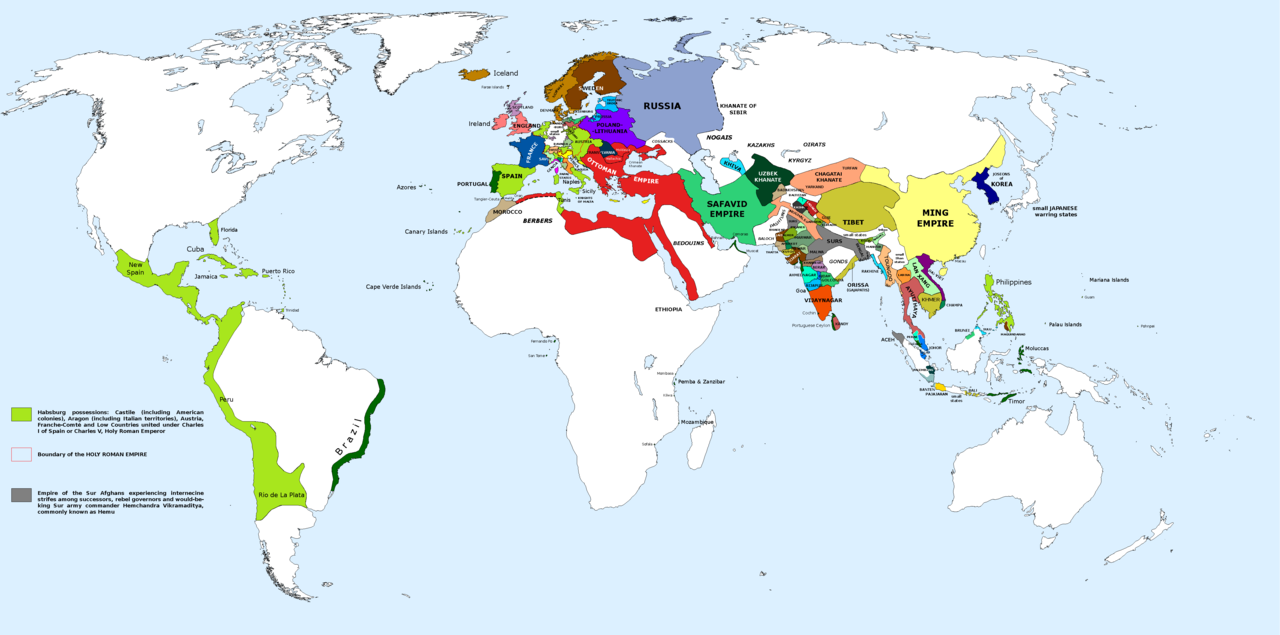


Europe: Habsburg transitions
In 1556 Emperor Charles V began the formal transfer of his vast domains. He ceded the Spanish crowns and overseas possessions to his son, Philip II, and handed the imperial and Austrian hereditary lands to his brother Ferdinand, a division that effectively separated the Spanish and Austrian branches of the Habsburg family. Charles then retired to the Monastery of Yuste in Spain, ending an era of near‑universal Habsburg rule across Europe.
India: Second Battle of Panipat
On November 5, 1556 the Second Battle of Panipat decisively shaped the subcontinent. Forces aligned with the young Mughal emperor Akbar, led by his regent Bairam Khan, defeated the army of Hemu (Hem Chandra), a Hindu ruler who had sought to establish an independent kingdom. The Mughal victory restored imperial authority in northern India and secured Akbar’s position as a central figure in the dynasty’s revival.
China: Shaanxi earthquake
On January 23, 1556 a devastating earthquake struck Shaanxi province and surrounding areas. Contemporary accounts and later estimates record an extraordinarily high death toll; modern sources often cite a figure around 830,000, making it one of the deadliest natural disasters in recorded history. The quake destroyed settlements, changed local demographics and had long‑term social effects in the affected regions.
Science, culture and religion
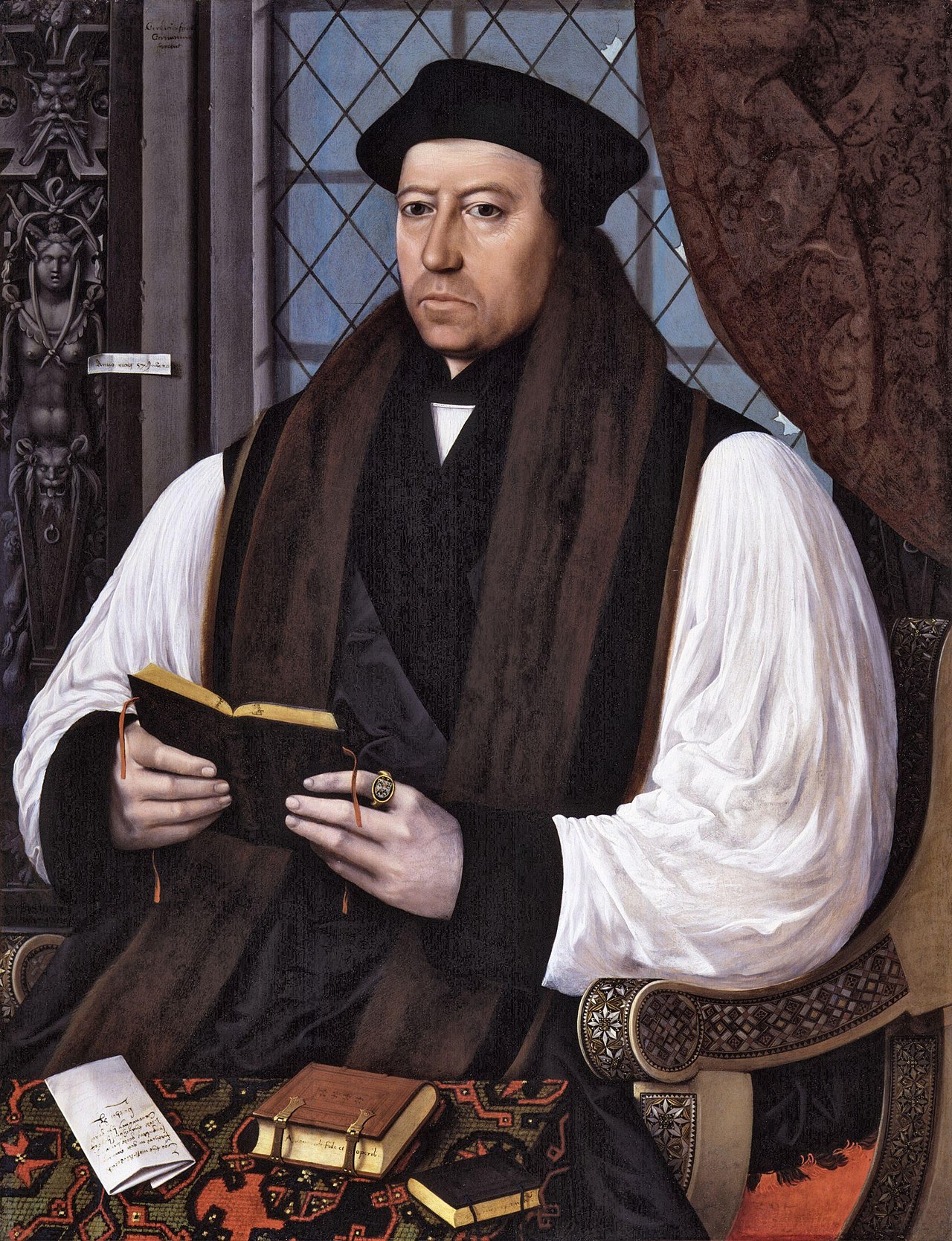
1556 saw the posthumous publication of Georgius Agricola’s De re metallica, an authoritative work on mining and metallurgy that influenced technical practice for centuries. The year also witnessed intense confessional conflict in Europe: under Queen Mary I of England, Protestant leaders continued to be persecuted—Thomas Cranmer, former Archbishop of Canterbury, was executed in 1556—while the Catholic Reformation and the Council of Trent continued to shape religious policy elsewhere.
Significance
The events of 1556 illustrate the era’s mix of human agency and natural catastrophe: dynastic restructuring with global consequences, military contests that determined regional rule, advances in technical knowledge, and a calamity in China with unparalleled human cost. Together these developments reflect the complex transformations of the mid‑16th century.
- Representative events: Charles V’s abdication process and Philip II’s accession, Second Battle of Panipat, Shaanxi earthquake, publication of De re metallica, execution of Thomas Cranmer.
- Context: Reformation and Counter‑Reformation, Age of Exploration, consolidation of early modern states.
Related articles
Author
AlegsaOnline.com 1556 (Year) Leandro Alegsa
URL: https://en.alegsaonline.com/art/111482