
1557 — global events, context and significance
Year 1557: overview of political, military, economic and cultural developments — including the Battle of St. Quentin, Portuguese settlement at Macau, Reformation-era tensions, and wider Age of Discovery trends.
1557 sits in the middle of the 16th century and reflects the overlapping forces that reshaped Eurasia and the Atlantic world: dynastic war, religious reform, expanding global trade and shifting finances. This single year illustrates how local battles, new trading posts and long-term economic trends interacted across continents.
Image gallery
6 Images



Major events
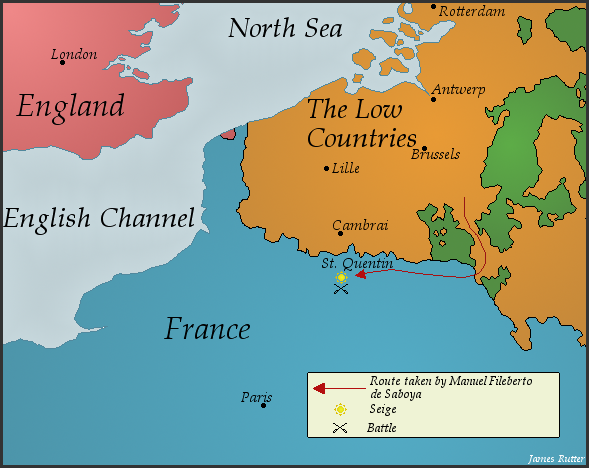
- Military — The year is noted for a decisive Habsburg–Spanish victory over France at the Battle of St. Quentin, part of the prolonged Italian Wars that determined territorial influence in Western Europe.
- Exploration and trade — Portuguese merchants established a permanent presence at Macau, creating a direct maritime trading link between China and Europe that would grow in importance.
- Religion and reform — The Protestant Reformation and the Catholic Counter-Reformation continued to reshape institutions, law and diplomacy throughout Europe.
These events occurred against broader backgrounds. European states carried heavy military costs and faced rising prices tied to the influx of silver from the Americas — a phenomenon historians call the Price Revolution. Fiscal strain and competition among Habsburg, Valois and other dynasties marked diplomatic life.
Culture, science and society
The mid-1500s were a constructive period for Renaissance arts, humanist learning and printing. Scientific inquiry advanced in small, uneven steps: improved navigation, cartography and the circulation of texts supported overseas expansion. Socially, urban growth and new commercial networks altered everyday life for merchants, sailors and artisans.
Significance and legacy
Although one year cannot contain sweeping change, 1557 reflects turning points: a reinforcement of Habsburg military predominance in Western Europe, a deepening of Eurasian commerce through Macau, and an intensification of religious and economic pressures that would shape the late 16th century. These developments fed later treaties, colonial expansion and cultural exchanges that defined the early modern world.
Related articles
Author
AlegsaOnline.com 1557 — global events, context and significance Leandro Alegsa
URL: https://en.alegsaonline.com/art/111483