
1576
Year 1576: a year marked by military violence in the Low Countries, a severe plague in northern Italy, and ongoing political and cultural shifts across Europe and its expanding overseas empires.
1576 was a year set against the long political and religious conflicts of the late 16th century. In Europe the struggle between Habsburg authority and local resistance in the Low Countries intensified, while epidemics and economic pressures affected cities across Italy and beyond. The year sits within the broader currents of the Renaissance, the Reformation, and overseas expansion.
Image gallery
6 Images

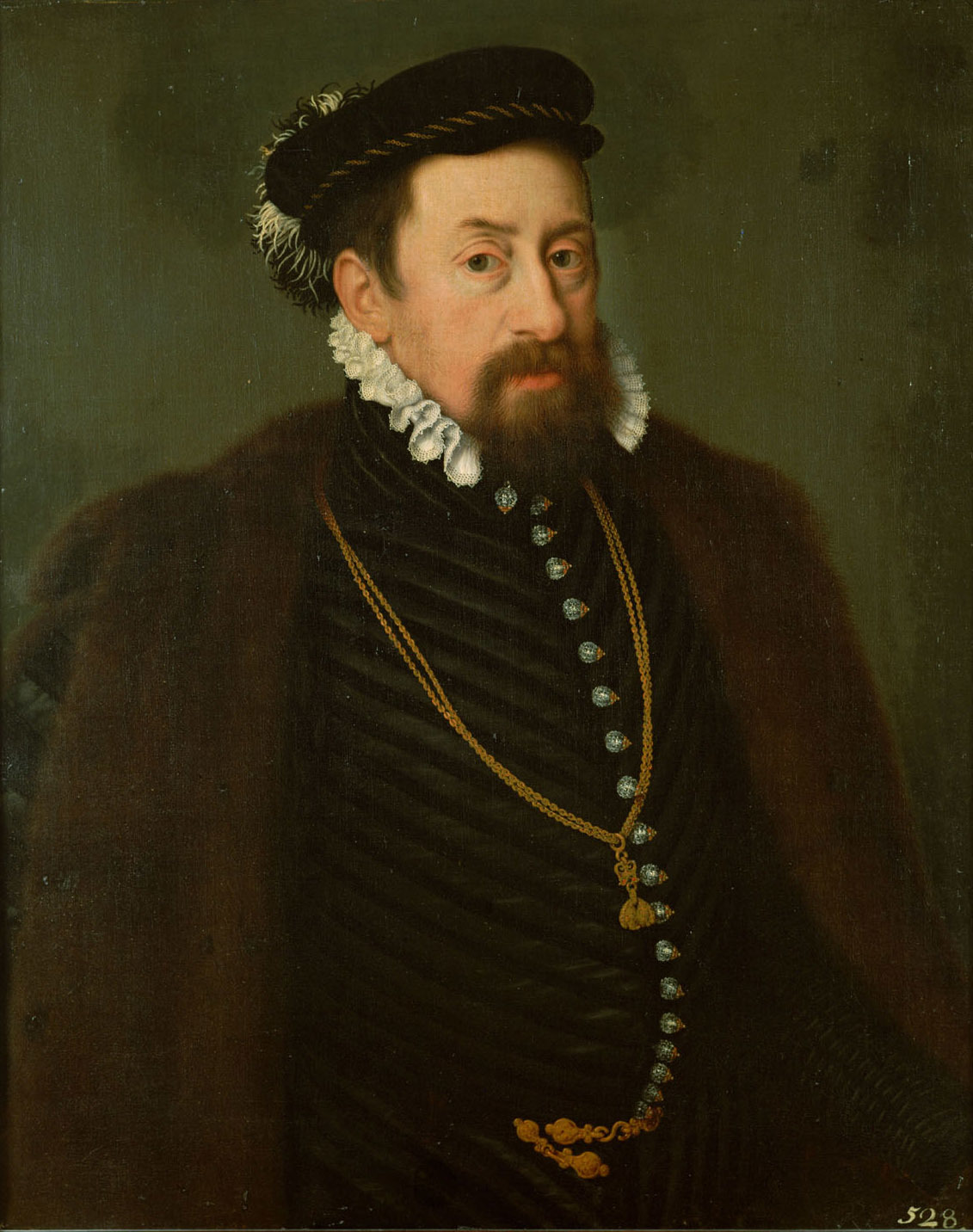


Major events
- Spanish Fury at Antwerp: Outrage followed the sack of Antwerp when mutinous Spanish troops looted the city, an episode that increased opposition to Spanish rule and helped provoke a wider political reaction.
- Pacification and political reaction: In the wake of violence, provincial leaders and towns in the Low Countries moved toward temporary agreements aimed at uniting against the excesses of occupying forces and asserting local privileges.
- Plague in northern Italy: An epidemic that spread through parts of northern Italy continued to disrupt trade, demographic patterns, and civic life, contributing to social strain in commercial centers.
These events were connected to larger processes: the Dutch Revolt against Habsburg Spain, the contest between Catholic and Protestant interests across Europe, and the fiscal strains of protracted warfare. Urban centers, reliant on commerce and crafts, were particularly vulnerable to both military violence and epidemic disease.
Culture, exploration and chronology
The intellectual and artistic activity of the era continued—printing and mapmaking circulated new knowledge and commercial information—and European powers expanded overseas trade and colonial activity, which fed back into conflicts at home. Chronological practice is also relevant: 1576 is often treated within the Julian-calendar framework used in most of Europe at the time. For modern calendar references, see a contemporary calendar resource: calendar of 1576.
Overall, 1576 exemplifies how military, medical, economic and political forces intersected in late Renaissance Europe, shaping regional alliances, urban fortunes, and the course of longer conflicts that would continue into the following decades.
Related articles
Author
AlegsaOnline.com 1576 Leandro Alegsa
URL: https://en.alegsaonline.com/art/111503