
1477 — a pivotal year in late medieval Europe
1477 was marked by the death of Charles the Bold at Nancy, the collapse of Burgundian ambitions, rising Swiss and Habsburg influence, and wider cultural changes as printing spread across Europe.
Overview
1477 was a turning point in late medieval Europe. It combined decisive military events, dynastic realignment and cultural change. The year is most remembered for the defeat and death of Charles the Bold, Duke of Burgundy, an event that shattered his territorial project and reshaped political balances in Western Europe.
Image gallery
2 Images
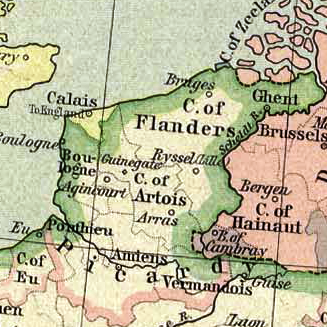
Key political events
The Battle of Nancy early in the year broke Burgundian power. Forces of the Duke of Lorraine and contingents from the Swiss Confederacy routed Charles the Bold, who fell in battle. With his death the large but fragile Burgundian state—created through marriage and conquest across the Low Countries and eastern France—fragmented and became the subject of intense contest between neighboring rulers.
Dynastic consequences
Charles's heiress, Mary of Burgundy, faced pressure from France and local estates. The crisis of succession quickly pushed her to seek protection through marriage. Her union with a leading Habsburg prince in the same year placed large Burgundian territories into the orbit of the Habsburg dynasty and sowed the seeds of a long rivalry with France.
Culture and wider context
Beyond warfare and diplomacy, 1477 sits inside an era when printing presses and printed books were spreading through European towns. The late 15th century saw increased circulation of vernacular literature, administrative records and humanist learning, contributing to gradual social and cultural change across the continent.
Notable items and significance
- Battle of Nancy and death of Charles the Bold.
- Succession struggles in the Burgundian Netherlands and consolidation of Habsburg interests.
- Continuing expansion of print culture and Renaissance influences in Italy and beyond.
Notable death
Charles the Bold, Duke of Burgundy, died at Nancy; his passing marks the effective end of his ambition to create a powerful, independent Burgundian kingdom and redirected the course of late medieval European state formation.
Related articles
Author
AlegsaOnline.com 1477 — a pivotal year in late medieval Europe Leandro Alegsa
URL: https://en.alegsaonline.com/art/111395