
1483: Dynastic crisis in England and births of Renaissance figures
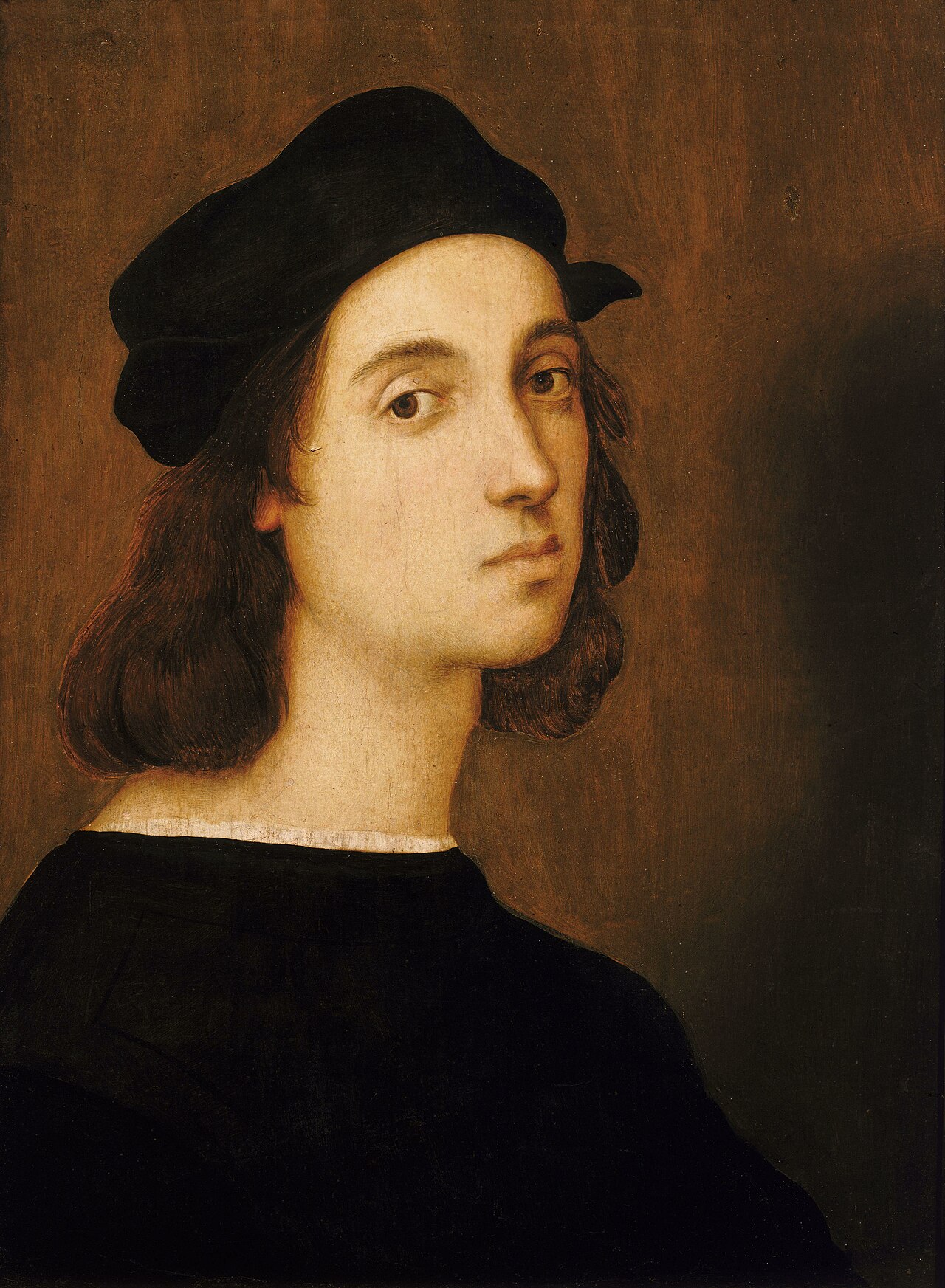
Year marked by the death of Edward IV, the accession of Richard III and the disappearance of the Princes in the Tower; also the birth year of influential figures such as Martin Luther and Raphael.
Overview
1483 was a pivotal year in late medieval Europe. It combined acute dynastic conflict in England with continuities of the Renaissance and early Atlantic exploration. Innovations in printing and humanist education continued to extend their cultural influence across the continent, while maritime voyages from the Iberian Peninsula advanced European knowledge of Atlantic routes.
Image gallery
4 Images


England: succession and controversy
The defining event of the year was the death of King Edward IV and the ensuing succession crisis. Edward's son succeeded as a child, but within months his uncle, Richard, Duke of Gloucester, moved to claim the throne. Richard declared the young king illegitimate on the grounds of an alleged prior contract involving Edward IV's marriage and was crowned Richard III. The two young sons of Edward IV and Elizabeth Woodville — commonly known as the Princes in the Tower — were confined to the Tower of London and subsequently disappeared; their fate remains a subject of historical debate and a lasting symbol of the violence of dynastic politics in the Wars of the Roses.
Wider European context
Across Europe, 1483 fell during a period of artistic and intellectual ferment. Italian city-states sustained innovations in painting, architecture and patronage that would culminate in the High Renaissance. The movable-type printing press, introduced earlier in the century, continued to spread books, enabling wider circulation of humanist texts and practical knowledge. Portuguese and Castilian maritime activities along the African coast and into the Atlantic continued to lay the groundwork for expanded overseas trade.
Notable births and deaths
- Births: Martin Luther — later a central figure in the Protestant Reformation; Raphael — who became a major painter and architect of the High Renaissance. Both were born in 1483 and would exert profound influence on religion and art.
- Deaths: King Edward IV of England — his death precipitated the succession dispute that defined the year.
Significance
While the political crisis in England gave 1483 immediate historical prominence, the year's births and the ongoing cultural and maritime developments exemplify the transition from medieval structures toward early modern Europe. The events of 1483 illustrate how dynastic conflict, cultural renewal and exploratory ambition coexisted and helped shape the century that followed.
Related articles
Author
AlegsaOnline.com 1483: Dynastic crisis in England and births of Renaissance figures Leandro Alegsa
URL: https://en.alegsaonline.com/art/111402