
The 1480s: A Decade of Political Realignment and Early Global Voyages
Overview of the 1480s: major political shifts in Europe and Eurasia, early Portuguese exploration, cultural advances, notable events and figures that shaped the late 15th century.
Overview
The 1480s was a transitional decade at the close of the Middle Ages and on the threshold of the early modern era. It saw important shifts in political power—monarchs consolidating authority, the weakening of older steppe empires, and dynastic change in western Europe—while maritime exploration and the printing press expanded cultural and economic exchange.
Image gallery
6 Images
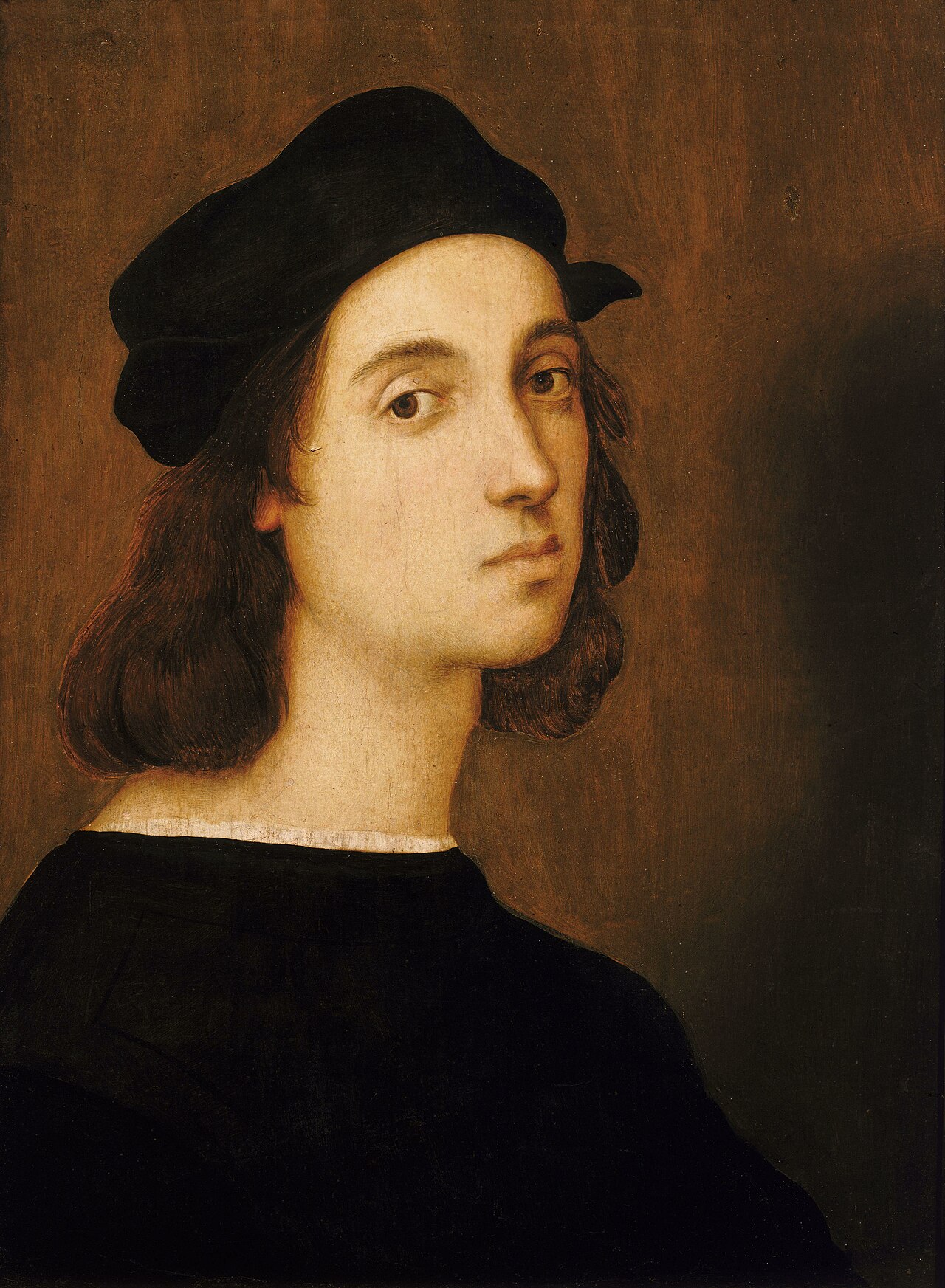


Political changes and conflicts
Several decisive events altered European and Eurasian balances of power. In Eastern Europe the Great Stand on the Ugra River (1480) is widely regarded as the moment Muscovite rulers ceased to pay tribute to the Golden Horde, strengthening Moscow’s independence. In England the decade ended with the Battle of Bosworth Field (1485), where Henry Tudor defeated Richard III, ushering in the Tudor dynasty and a new phase of royal centralization. The Ottomans captured the Italian port of Otranto in 1480 but withdrew after 1481, a reminder of ongoing Mediterranean contestation.
Exploration, trade and technology
The 1480s were formative for the Age of Discovery. Portuguese mariners pushed farther along Africa’s Atlantic coast, culminating in Bartolomeu Dias’s 1488 rounding of the Cape of Good Hope, which opened a sea route toward the Indian Ocean. The printing press, introduced earlier in the century, continued to spread: books, legal texts and chronicles became more widely available, accelerating the flow of ideas.
Culture, religion and society
Renaissance art and learning flourished in Italy and beyond, while religious life in Europe was still shaped by medieval institutions and tensions that would later fuel reform movements. In 1487 a widely circulated treatise on witchcraft appeared and reflected rising anxieties about social and religious deviance. Literature and vernacular printing also reached new audiences; for example, important chivalric and historical works were printed and read more broadly.
Timeline of notable events (selected)
- 1480: Great Stand on the Ugra River—Muscovy asserts independence from the Golden Horde.
- 1480–1481: Ottoman capture and subsequent withdrawal from Otranto in southern Italy.
- 1483: Richard III crowned king of England; disappearance of the young princes in the Tower.
- 1485: Battle of Bosworth Field; Henry Tudor becomes King Henry VII of England.
- 1487: Publication of the Malleus Maleficarum and other works reflecting social currents.
- 1488: Bartolomeu Dias rounds the southern tip of Africa.
Notable figures born or deceased in the decade
- Born: Martin Luther (1483) — later central to the Protestant Reformation; others of note include explorers and thinkers whose careers began in the late 15th century.
- Deceased: Richard III (1485) — killed at Bosworth; other regional rulers and cultural figures also died, reflecting dynastic turnover across Europe.
Legacy: The 1480s consolidated trends—state centralization, expanded maritime routes, and the spread of print—that set the stage for the profound political, religious and economic transformations of the 16th century.
Related articles
Author
AlegsaOnline.com The 1480s: A Decade of Political Realignment and Early Global Voyages Leandro Alegsa
URL: https://en.alegsaonline.com/art/111399