
1295 (year)
Overview of the year 1295 CE, noting major political events in England, Scotland and the Ilkhanate, and broader cultural, economic, and calendar context in late 13th-century Eurasia.
Overview
1295 CE (MCCXCV) is noted for a number of diplomatic and political developments across western Europe and parts of Asia. The year falls in the late 13th century, a period of consolidation for many monarchies, increasing fiscal demands on rulers, and continuing adaptation by Mongol successor states. Several events commonly dated to 1295 illustrate larger trends in representation, alliance-making, and religious and administrative change.
Image gallery
1 Image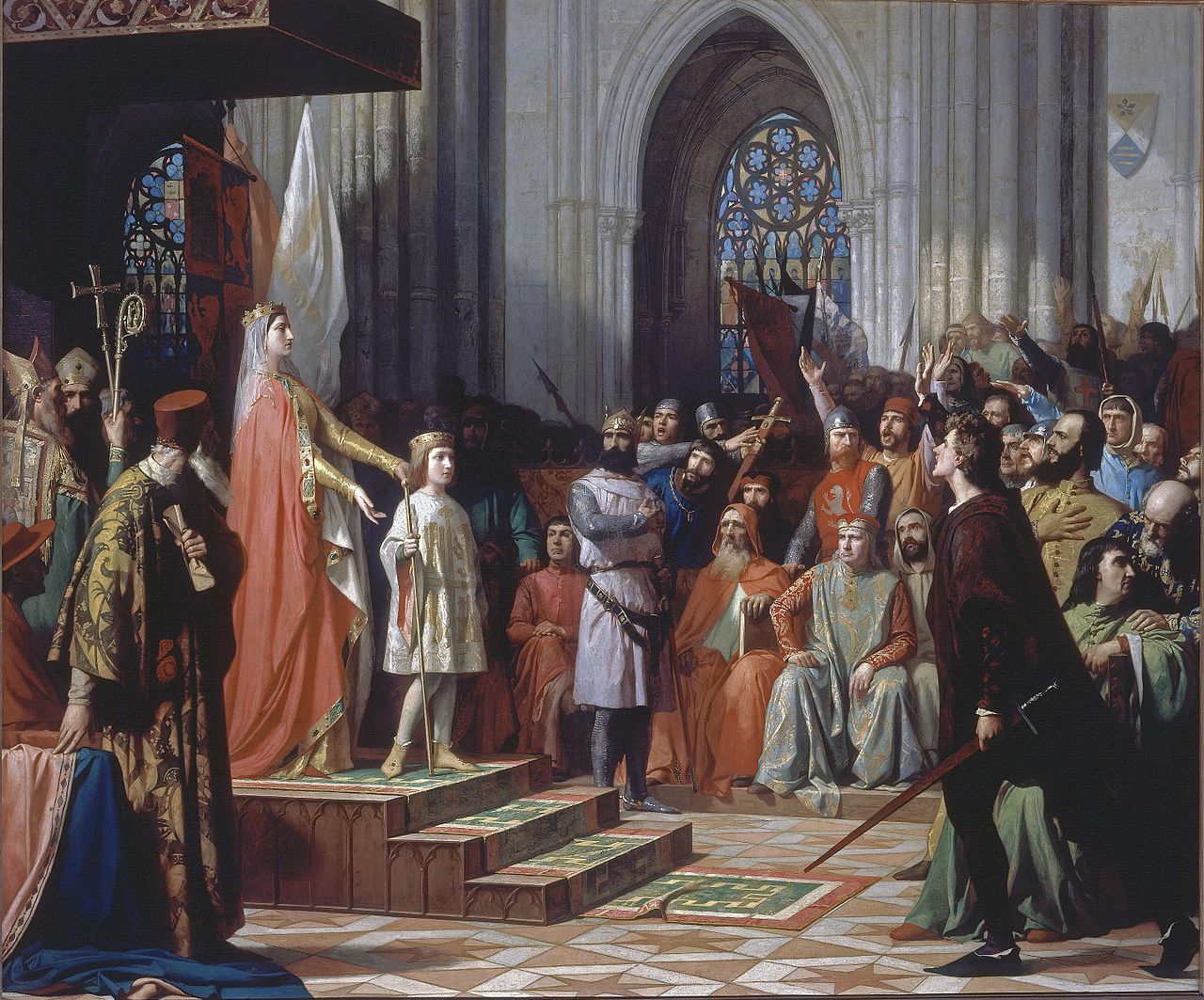
England and representative assemblies
In England, assemblies summoned by King Edward I in 1295 are often cited in later historiography as the "Model Parliament." These gatherings brought together magnates, clergy, knights of the shire, and representatives from boroughs to discuss taxation and royal policy. Historians treat the 1295 assemblies as a milestone in the evolving practice of calling broader estates or commons into consultation, although the development was gradual and part of longer processes of royal finance and governance.
Scotland and the Franco-Scottish alignment
Scotland in 1295 sought allies against English pressure and concluded a formal agreement of mutual support with France. This diplomatic alignment, later celebrated in tradition as the Auld Alliance, shaped Anglo-Scottish and continental relations in the decades that followed and reflected the entanglement of dynastic claims and military interests in the British Isles and on the Continent.
Ilkhanate and developments in western Asia
In the Mongol-ruled realms of western Asia, 1295 is associated with a significant change in Ilkhanate leadership. The new ruler who came to power that year adopted a different religious and political stance from some predecessors, a development that influenced internal administration and relations with neighboring polities. These shifts formed part of the wider pattern of regional Mongol states adapting to local conditions and religious landscapes.
Economic, cultural, and calendar notes
Economically, the late 13th century saw expanding trade networks across Europe and Eurasia, with long-distance commerce in textiles, wool, and luxury goods linking northern Europe, the Mediterranean, and parts of Asia. Papal and imperial diplomacy remained important in shaping political options for rulers. As a number, 1295 is composite (5 × 7 × 37) and appears as MCCXCV in Roman notation.
Significance
Events associated with 1295 are significant not merely as isolated occurrences but for their reflection of wider transformations: the institutionalization of fiscal and consultative practices in monarchies, the formation of interstate alliances, and the local adaptation of Mongol governance and religion. Contemporary sources vary in emphasis and dating, so modern accounts place these episodes in broader narratives of late medieval change.
Further context
- Key figures often linked to events of this year include Edward I of England, the Scottish crown under John Balliol, the French monarchy, and Ilkhanate rulers in Persia.
- 1295 sits within an era of shifting power balances, rising administrative states, and sustained long-distance contacts across Eurasia.
Related articles
Author
AlegsaOnline.com 1295 (year) Leandro Alegsa
URL: https://en.alegsaonline.com/art/111218