
12th G7 Summit (1986) — Tokyo
The 12th G7 summit was held in Tokyo from May 4–6, 1986. Leaders of the Group of Seven and the European Commission met to discuss economic policy, international security and coordination among advanced economies.
The 12th G7 Summit brought together heads of government from seven advanced industrial democracies and the president of the European Commission for a three‑day meeting in Tokyo, Japan. It continued the informal tradition of G7 gatherings—created to coordinate policy among major market economies—by combining public declarations with private discussions among leaders and senior ministers.
Image gallery
10 Images


Participants and context
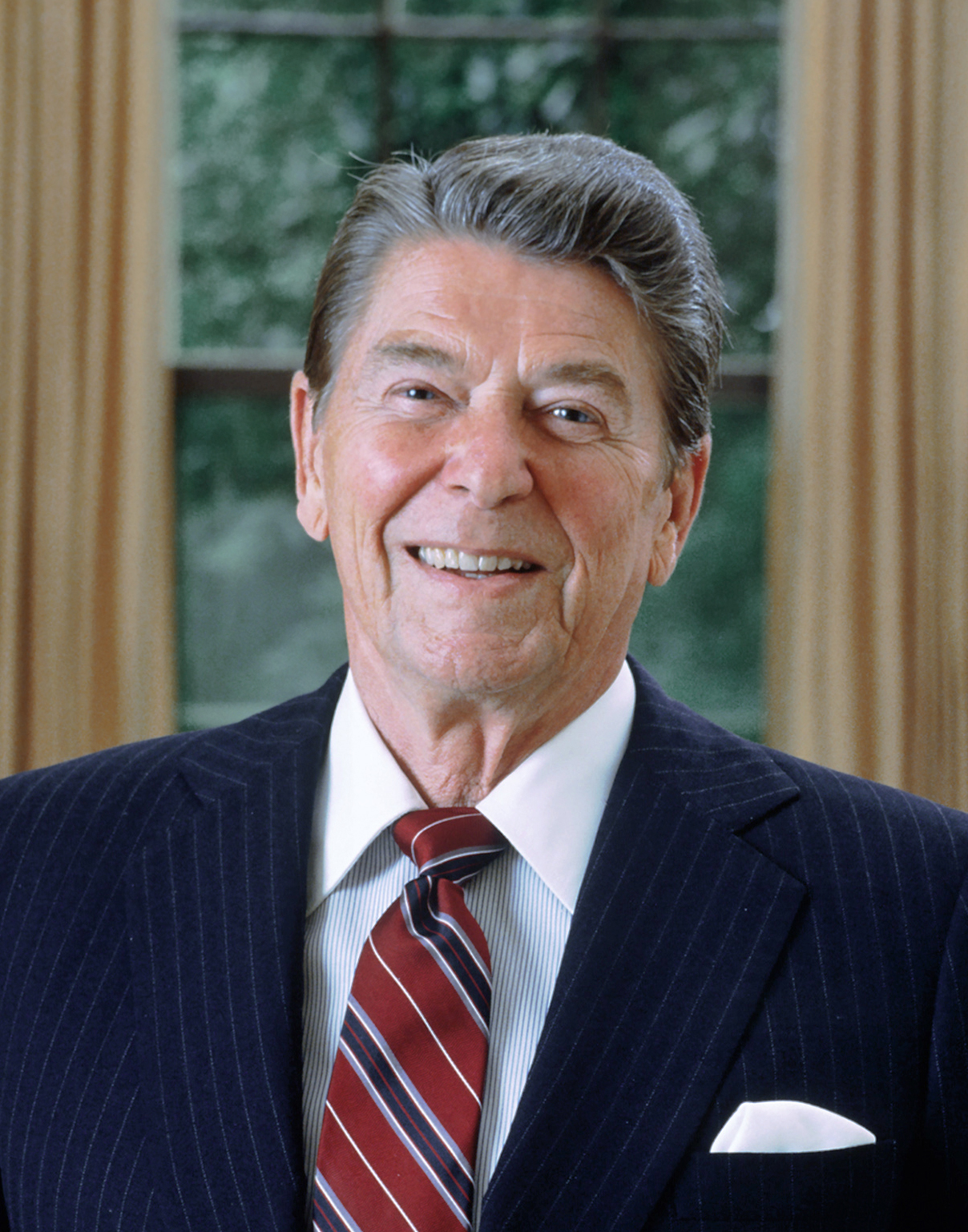
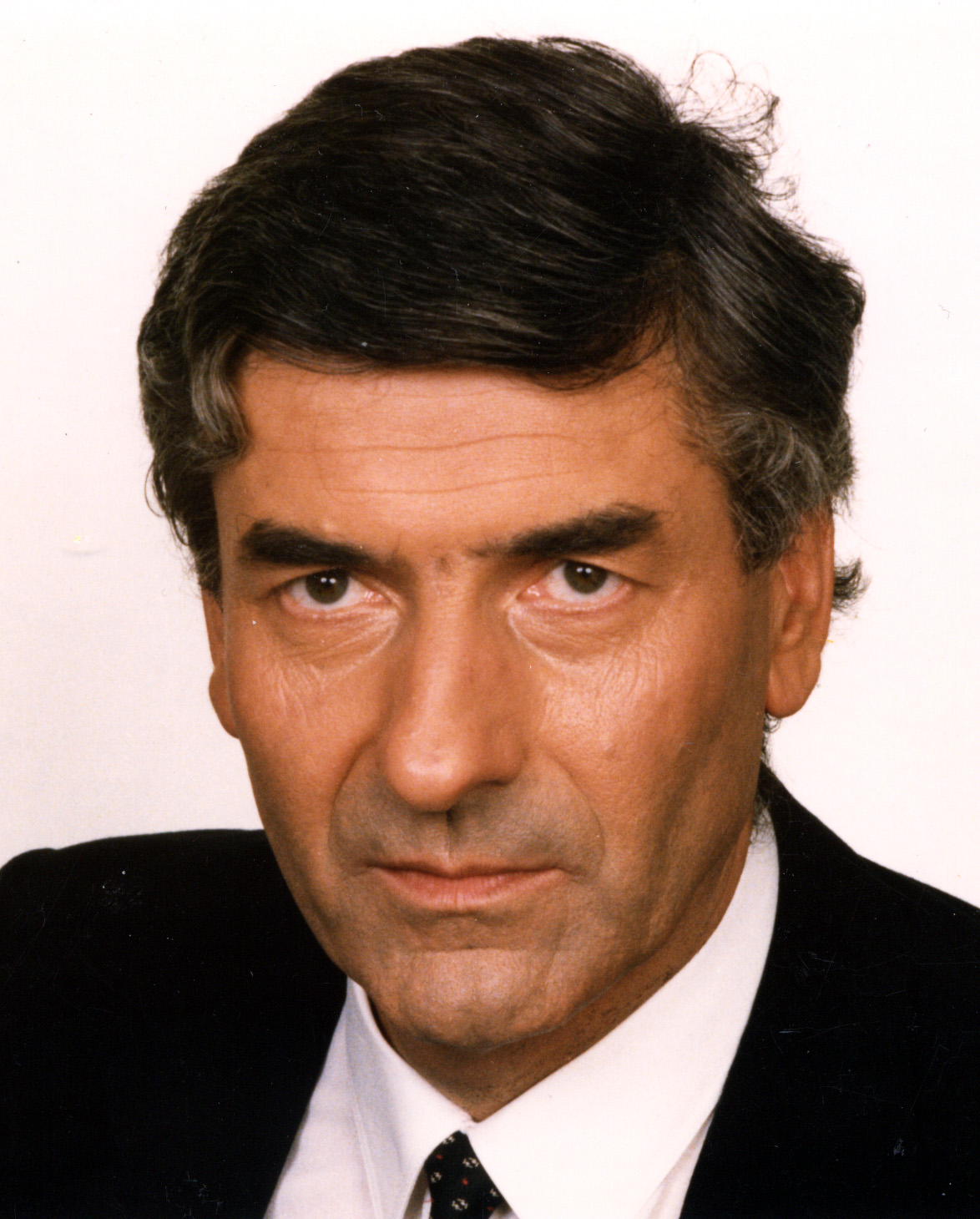
Members at the summit were Canada, France, West Germany, Italy, Japan, the United Kingdom and the United States, together with the European Commission. Prominent leaders in attendance included Prime Minister Brian Mulroney of Canada, President François Mitterrand of France, Chancellor Helmut Kohl of West Germany, Prime Minister Bettino Craxi of Italy, Prime Minister Yasuhiro Nakasone of Japan, Prime Minister Margaret Thatcher of the United Kingdom, President Ronald Reagan of the United States, and European Commission President Jacques Delors. The meeting took place in the mid‑1980s context of economic adjustment, trade tensions and continuing Cold War geopolitics.
Agenda and topics
As with other G7 summits, the agenda emphasized economic policy coordination among member states. Discussions typically addressed international trade, exchange rates and monetary policy, energy markets, and debt issues affecting developing countries. Leaders also used the summit to exchange views on global security matters and political developments that had cross‑border impact. While declarations are issued at the close of each summit, many outcomes reflect consensual language intended to guide national policy rather than binding commitments.
Venue and organisation
The 1986 meeting was hosted by Japan from May 4–6, 1986 and was held at the State Guesthouse (Akasaka Palace) in Tokyo, a formal imperial villa adapted for government hospitality. The choice of venue underscored the summit’s diplomatic character: it combined working sessions, smaller bilateral meetings, and formal plenary gatherings. The presidency of the group rotates among members, with the host responsible for setting the agenda and chairing sessions.
Significance and legacy
Although no single summit transformed global affairs, the 12th G7 meeting contributed to ongoing efforts at policy coordination among the world’s largest market economies. These gatherings helped institutionalize regular high‑level dialogue on macroeconomic management, trade frictions and international financial stability. Over time the G7 format evolved to encompass new priorities and to adapt to changing global dynamics; the 1986 summit is one episode in that continuing process.
Further reading
- Summit overview and official communiqués (host government and institutional archives).
- Contemporary press coverage and retrospective analyses of 1980s economic diplomacy.
- Details about the meeting site: Akasaka Palace and its role in Japanese state hospitality.
Related articles
Author
AlegsaOnline.com 12th G7 Summit (1986) — Tokyo Leandro Alegsa
URL: https://en.alegsaonline.com/art/111224
Sources
- mofa.go.jp : "Documents of Summit Meetings in the Past" (12th) · webcitation.org
- www8.cao.go.jp : State Guesthouse, Akasaka Palace
- g20-g8.com : What is G8? ("Previous summits" section)
- state.gov : G8 Frequently Asked Questions ("How does the G8 work?" section)
- brookings.edu : "Regional Voices in Global Governance: Looking to 2010 (Part IV),"
- g8-summit.town.toyako.hokkaido.jp : "History of the Summit" (12th)
- deljpn.ec.europa.eu : "EU and the G8 & G20"