
1304 (MCCCIV) — a year in the early 14th century
Overview of the year 1304 (MCCCIV): calendar status, political and military context in Europe, papal developments, cultural trends and notable events of the early 14th century.
1304 (MCCCIV) was a leap year of the Julian calendar that began on a Wednesday. In contemporary medieval terms it was identified within the Anno Domini system and sits in the fourth year of the 14th century and the fifth year of the 1300s decade. The way years were recorded and computed at the time relied on the Julian calendar and religious dating systems now commonly described as the Common Era; see MCCCIV and calendar reckoning for context.
Image gallery
2 Images
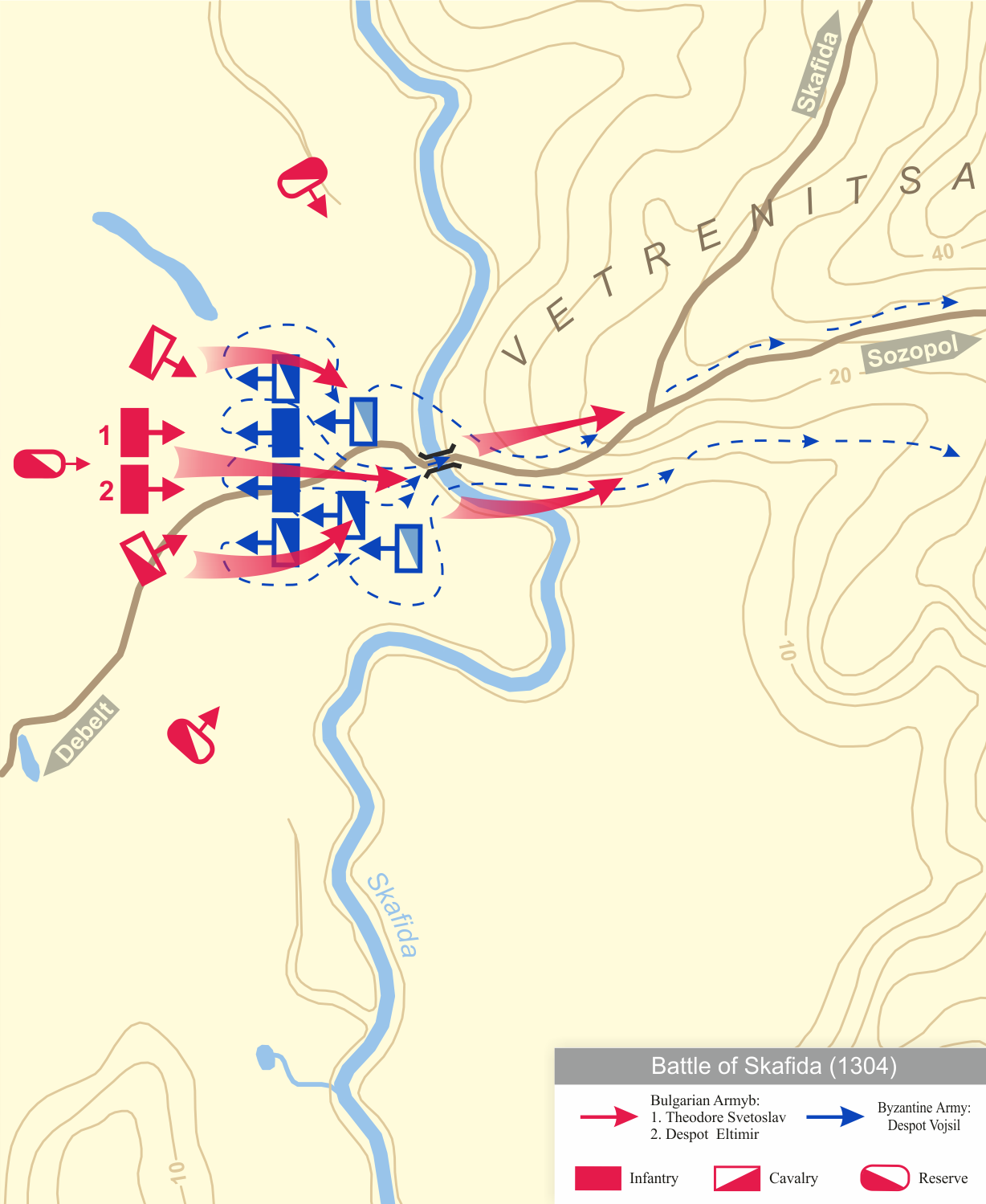
Political and military context
The early 1300s were a period of intense regional conflict and dynastic struggle across Europe and its borderlands. In western Europe monarchs sought to extend royal authority, nobles defended local privileges, and kingdoms engaged in intermittent warfare. In the British Isles the struggle between England and Scotland that began in the 1290s continued, with English royal campaigns exerting pressure on Scottish fortifications. On the Continent dynastic rivalries and the consolidation of royal power in France and the Low Countries shaped political life. Meanwhile, in Anatolia and the eastern Mediterranean a number of Turkish principalities were consolidating territories following the fragmentation of older empires.
Religion, administration and papacy
The papacy remained a central institution in 1304, influencing both spiritual and temporal affairs. The death of a pope or transitions in Rome could produce long vacancies and political maneuvering among European rulers and cardinals; related developments in this period are important for understanding the later Avignon papacy. For more about medieval papal chronology see papal lists and the wider context of church governance at the time here.
Society, economy and culture
Urban life and long-distance trade grew in importance during the early 14th century. Towns expanded as craft production, markets and fairs generated wealth for merchants and local elites. Gothic architecture, manuscript illumination and scholastic learning continued to shape cultural life. Universities that had been founded in earlier centuries remained centers of legal, theological and philosophical debate. Maritime trade networks linked northern Europe, the Mediterranean and parts of the eastern Mediterranean, while the Hanseatic connections and Italian merchant republics played notable roles in commerce and finance.
Notable themes and remaining uncertainties
- Dating and calendar practice: the year is understood by modern historians via the Julian reckoning; see chronological systems.
- Warfare and fortification: sieges and garrison operations were common tools of policy in this period, affecting populations and political boundaries.
- Papal succession and diplomacy shaped relations among rulers; the sequence of popes and the length of vacancies can be explored at ecclesiastical records.
- Economic change: growth of towns and long-distance trade set conditions for later social and economic transformations; further reading is available here.
Because medieval records vary in scope and survival, precise chronologies for local events can be fragmentary. The year 1304 is best understood as one year within wider processes—monarchical consolidation, church politics, commercial expansion, and regional conflict—that defined the transition into the high and late Middle Ages.
Related articles
Author
AlegsaOnline.com 1304 (MCCCIV) — a year in the early 14th century Leandro Alegsa
URL: https://en.alegsaonline.com/art/111237