
1306 (MCCCVI) — events, context and significance
Overview of the year 1306 (MCCCVI) in the Julian calendar: chronology, major political events including Robert the Bruce's rise, actions by Philip IV of France, and broader historical context.
1306 ( MCCCVI ) was a common year that began on Saturday in the Julian calendar (Julian calendar). It is numbered as the 1306th year of the Common Era (CE) and Anno Domini (AD), falls in the 306th year of the 2nd millennium and within the 6th year of the 14th century. This year is remembered chiefly for political upheaval in the British Isles and fiscal and religious measures in France.
Image gallery
1 Image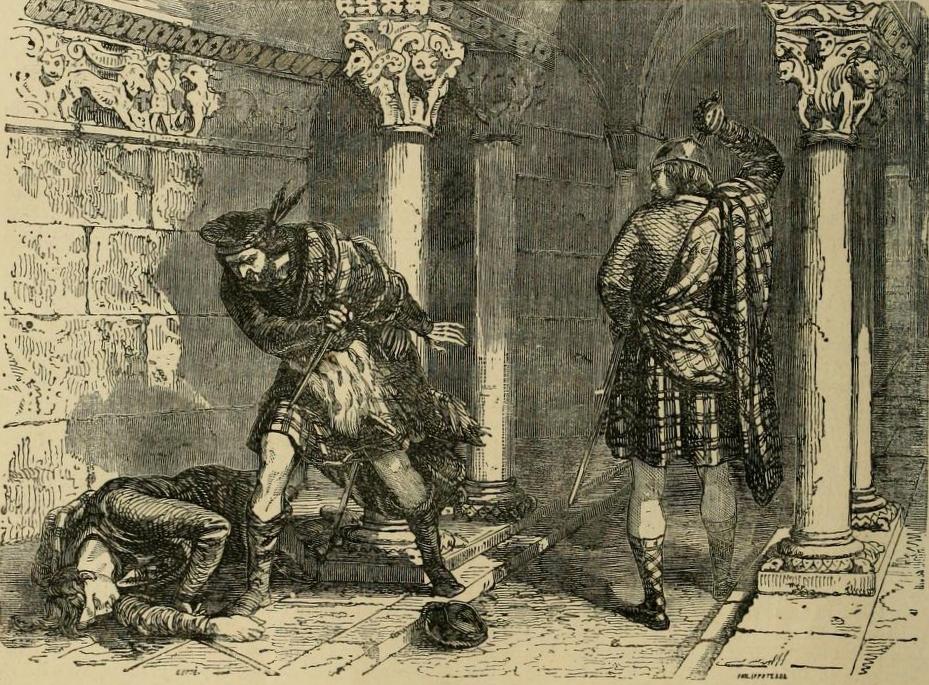
Political and military developments
In Scotland the year marked a decisive turn in the struggle for independence. Robert the Bruce killed a rival, John Comyn, in early 1306; soon after, Bruce had himself crowned king, an act that intensified the war with England. English forces mounted counter‑operations that year and defeated Bruce in a number of engagements, forcing him into a period of flight and guerrilla resistance. These events escalated the conflict that historians treat as part of the Wars of Scottish Independence.
France, religion and royal policy
On the Continent, the French crown under Philip IV continued policies that affected finance and religion. Royal measures against groups such as Jews involved expulsions and the seizure of assets in several regions; these moves reflected the fiscal needs and political calculations of monarchs in this period. Papal and ecclesiastical affairs remained influential in European diplomacy and internal governance.
Society, economy and culture
The early 14th century was characterized by growing royal administrations, the increasing monetization of economies, and tension between local barons and central authorities. Cities and universities were evolving as centers of learning and commerce, while rural societies continued to be shaped by agrarian cycles and customary law. Travel, trade, and the exchange of ideas across courts and religious networks kept the period dynamic despite frequent violence.
Notable events and legacy
- Power struggle in Scotland: the killing of John Comyn and the coronation of Robert the Bruce, which propelled a renewed phase in Scotland's resistance to English lordship.
- Royal fiscal and social policies in France that affected minority communities and strengthened centralized control.
- Continued military and diplomatic activity across Western Europe as kingdoms vied for resources and influence.
Contemporary chronicles and later histories treat 1306 as a year when localized acts of violence and state policy generated long‑term consequences for national identities, governance, and religious minorities. For readers seeking primary texts and modern studies, catalogues of medieval chronicles, royal records, and scholarly overviews provide further detail and interpretation (chronology, calendrical context, era numbering).
Related articles
Author
AlegsaOnline.com 1306 (MCCCVI) — events, context and significance Leandro Alegsa
URL: https://en.alegsaonline.com/art/111239