
1420 (year)
A concise overview of the year 1420: major political and cultural events including the Treaty of Troyes, Hussite resistance in Bohemia, Ming China’s completion of the Forbidden City, and early Portuguese Atlantic activity.
Overview
The year 1420 fell in the late medieval period, a time of political upheaval, religious conflict, and expanding horizons. In Europe the ongoing Hundred Years' War and the Hussite wars shaped alliances and internal divisions, while in Asia the Ming dynasty consolidated new institutions. Maritime exploration and nascent colonization in the Atlantic were beginning to alter trade and settlement patterns.
Image gallery
2 Images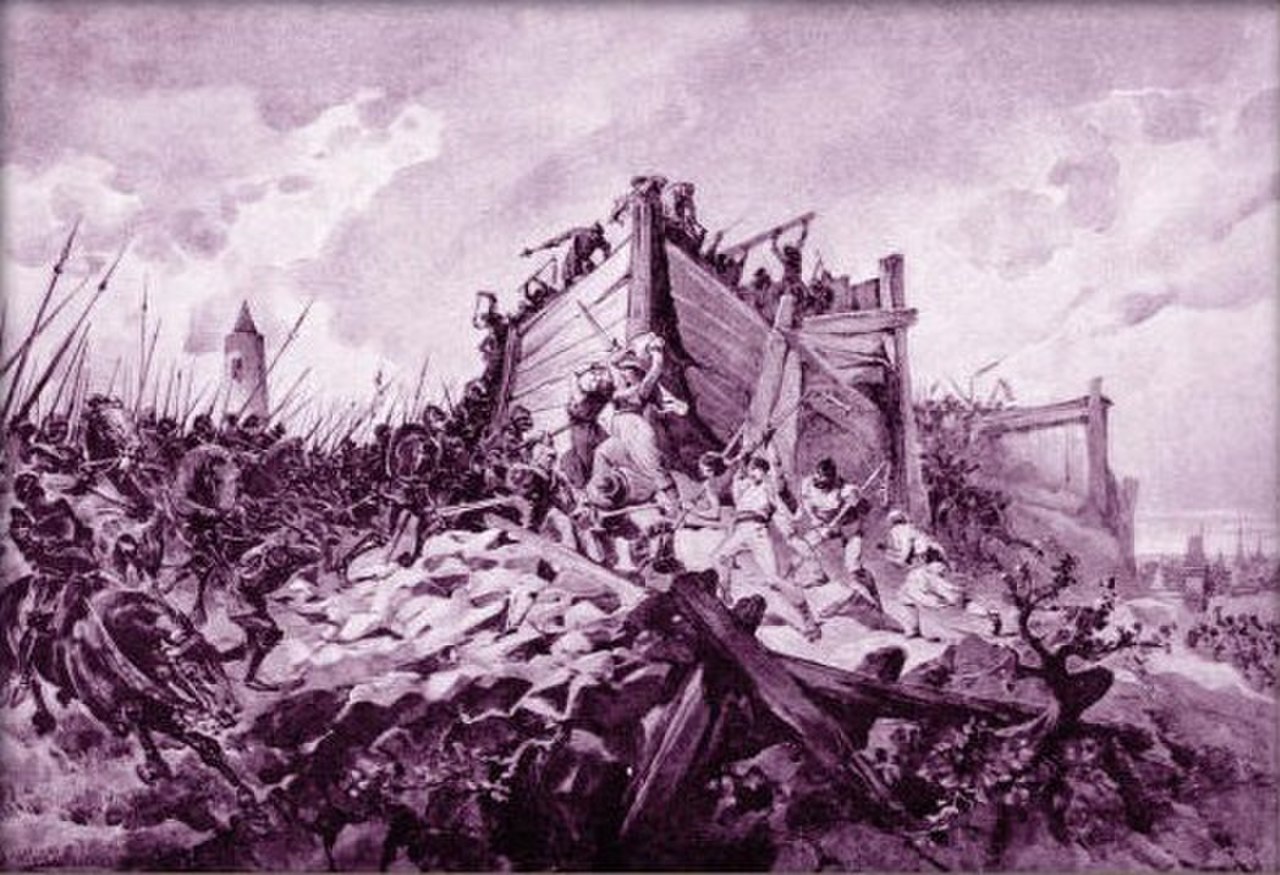
Major political and military events
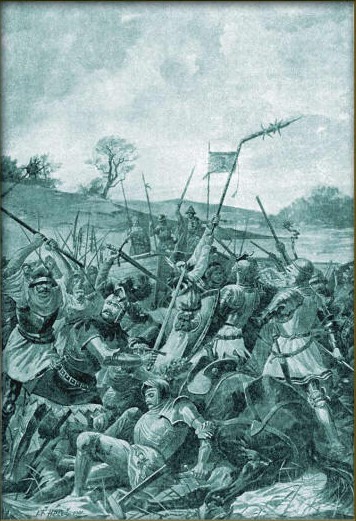
One of the most consequential acts of 1420 was the Treaty of Troyes, by which Charles VI of France recognized Henry V of England as heir to the French throne and arranged Henry's marriage to the French king’s daughter. The treaty reflected English military gains in northern France and the influence of Burgundian allies. In Central Europe, the Hussite movement in Bohemia continued to resist Catholic royal forces; notable among its actions that year was the defense of Prague led by commanders such as Jan Žižka.
Asia and global developments
In China the Ming dynasty completed construction of the imperial palace complex in Beijing commonly called the Forbidden City; the Yongle Emperor consolidated the capital there, reinforcing central authority and the bureaucratic structures of the dynasty. Elsewhere, Chinese maritime expeditions under imperial patronage continued to project influence across the Indian Ocean during this period.
Exploration and colonization
Portuguese activity along the Atlantic seaboard advanced in the early 15th century, and around 1420 explorers and settlers began establishing permanent presence on Atlantic islands such as Madeira. These ventures were early steps in Europe’s longer maritime expansion that would accelerate in later decades.
Calendar and chronology
According to the contemporary Julian system, 1420 was a leap year that began on a Monday; for discussion of dates and calendrical conventions of the period see the Julian calendar. Chronologies for the era must account for regional calendar usage and later calendar reforms when comparing dates across centuries.
Significance and legacy
The events of 1420 had medium- to long-term effects: the Treaty of Troyes shaped the immediate course of the Hundred Years' War and dynastic claims in France; the Hussite resistance contributed to religious and military developments in Central Europe; the Ming capital’s consolidation in Beijing influenced Chinese governance and architecture; and early Atlantic settlements foreshadowed expanded European overseas activity. Together these developments illustrate a world in transition between medieval structures and early modern dynamics.
Related articles
Author
AlegsaOnline.com 1420 (year) Leandro Alegsa
URL: https://en.alegsaonline.com/art/111338