
1279
Year 1279 CE, marked by the decisive Mongol victory that ended the Southern Song dynasty and by important developments in medieval Europe and Eurasian contact.
1279 was a consequential year of the late 13th century that saw the completion of the Mongol conquest of China and legal and administrative reforms in parts of medieval Europe. Events of this year helped shape the political map of East Asia and contributed to expanding connections across Eurasia.
Image gallery
2 Images
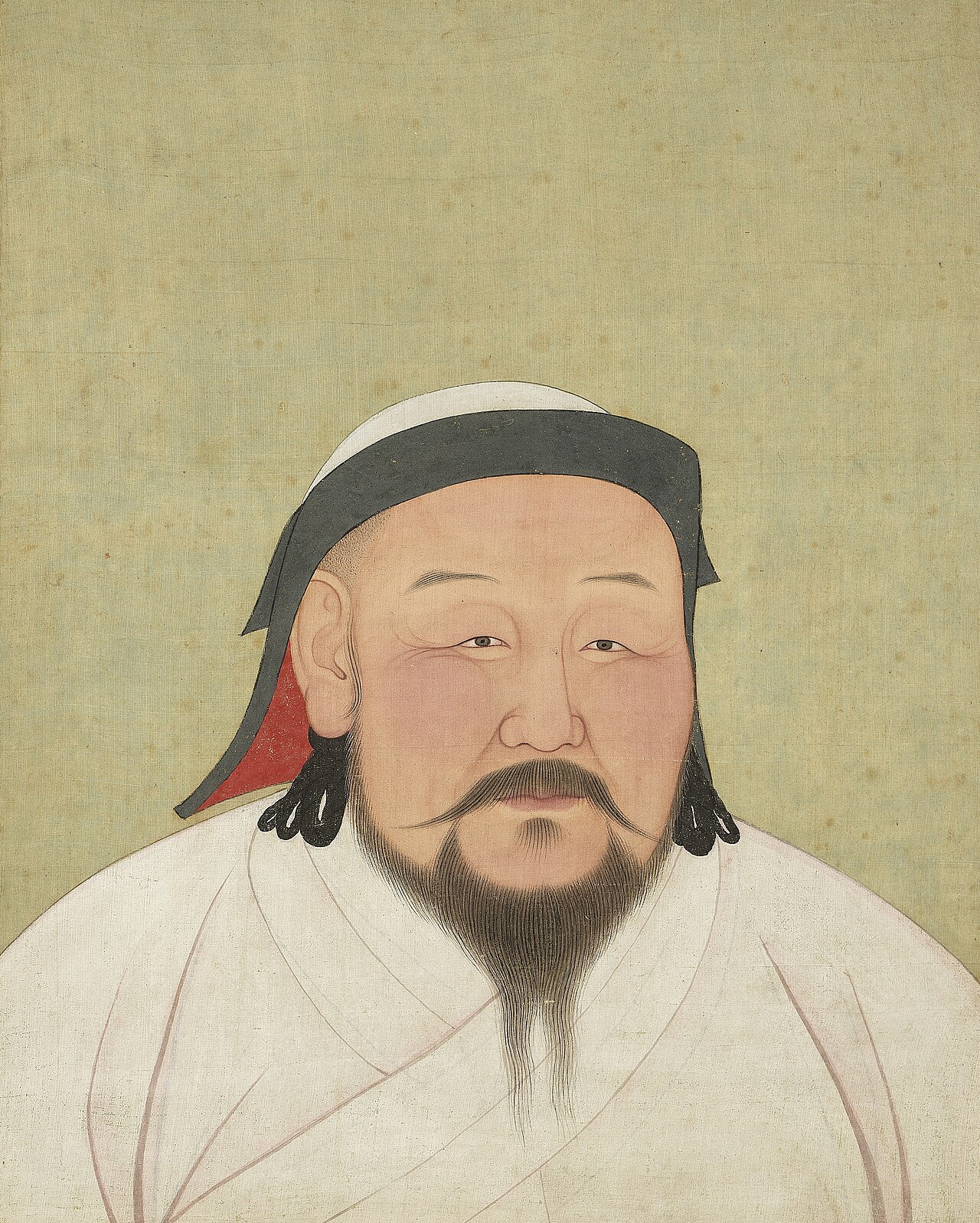
Major events in East Asia
The most significant event of 1279 was the naval Battle of Yamen in March, in which the forces of Kublai Khan defeated the remaining fleet of the Southern Song dynasty. The battle effectively ended organized resistance by the Song court and led to the death of the young last Song ruler. With this victory, the Mongol Yuan regime consolidated control over all of China, completing a decades-long campaign that had transformed Chinese politics and society.
Developments in Europe
In England, 1279 is associated with measures that curtailed the acquisition of land by the Church, commonly known as the Statute of Mortmain. These legal changes aimed to preserve feudal revenues and limit transfers of property that removed lands from the feudal economy. During this period King Edward I pursued broader administrative and legal reforms that shaped royal authority and governance.
Wider Eurasian context and contact
The end of major military resistance in China under Mongol rule contributed to a more stable environment for long-distance trade and travel across Eurasia. This era of increased connectivity—sometimes called the Pax Mongolica—facilitated greater exchange of goods, ideas and technologies between East and West. Notable travelers and merchants were active in the late 1270s, and the consolidation of a single large empire across much of Asia had lasting cultural and economic effects.
Notable events (summary)
- Battle of Yamen and final collapse of the Southern Song dynasty.
- Full consolidation of Kublai Khan's authority in China under the Yuan polity.
- Legal measures in England limiting Church landholdings (Statute of Mortmain) and continued reforms under Edward I.
- Heightened Eurasian trade and cultural exchange following Mongol consolidation.
1279 stands out historically for the dramatic political change in East Asia and for trends toward stronger central authority and more regulated property law in parts of Europe. Together these developments influenced patterns of governance, commerce and cross-cultural contact that resonated through the following centuries.
Related articles
Author
AlegsaOnline.com 1279 Leandro Alegsa
URL: https://en.alegsaonline.com/art/111201