
Year 1239 (AD)
Overview of the year 1239 in the 13th century: political context, regional events, cultural trends and significance within medieval Europe, the Islamic world, and Asia.
1239 was a year in the 13th century of the Common Era, situated within the broader High Middle Ages. Like other years of the period, it saw overlapping processes: continuing papal–imperial rivalry in western Christendom, Mongol expansion in Eurasia, regional warfare such as the Reconquista in Iberia, and steady growth of towns, trade and learning across Europe and beyond.
Image gallery
2 Images
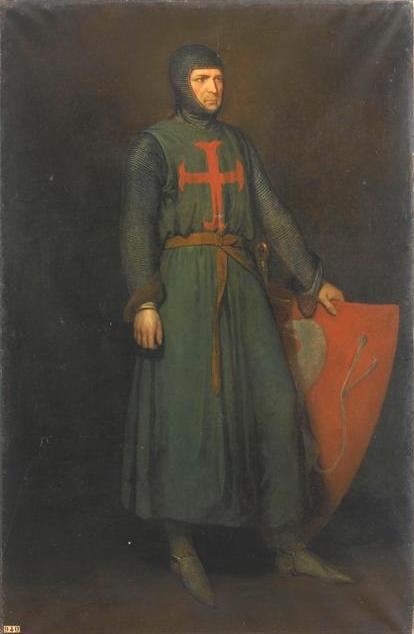
Political and military context
Throughout the 1230s, tensions between the papacy and secular rulers remained a defining feature. Popes and emperors negotiated, contested and sometimes censured each other as both spiritual and temporal authorities sought advantage. In eastern Europe and the Eurasian steppe the Mongol successor campaigns and raids altered political maps, pressuring principalities and encouraging new alliances. In the Mediterranean and Iberia, Christian and Muslim polities continued a mixture of warfare, diplomacy and coexistence characteristic of the Reconquista era.
Regional snapshots
- Western Europe: Royal courts consolidated power, towns expanded and guilds grew; universities and cathedral schools were important intellectual centers.
- Eastern Europe and the steppe: Mongol pressure reshaped Kievan Rus' principalities and neighboring regions.
- Islamic world: Fragmented dynasties and rising powers vied for control of trade routes and cities across the Middle East and North Africa.
- Asia: Large empires and regional states continued to develop administrative and commercial networks connecting East and West.
Cultural life in 1239 reflected broader medieval trends: Gothic architecture advanced in many cathedrals, manuscript production supported religious and scholarly learning, and long-distance trade linked markets from the North Sea to the Indian Ocean. Intellectual life clustered around established universities and cathedral schools, which shaped clergy, lawyers and administrators.
For more detailed chronologies and primary-source discussions about this period, readers can consult specialist histories and reference works here. The year 1239 sits within a century of dynamic change that set the stage for late medieval political, economic and cultural developments.
Related articles
Author
AlegsaOnline.com Year 1239 (AD) Leandro Alegsa
URL: https://en.alegsaonline.com/art/111163