
1243 (MCCXLIII): Key events and historical context
Overview of the year 1243, highlighting major political events, the Mongol victory at Köse Dağ, the papal election, and the wider social and cultural context of mid-13th-century Eurasia.
The year 1243 falls in the middle of the 13th century, a period marked by military upheaval, shifting political alignments and ongoing cultural change across Eurasia. That year is remembered particularly for events that accelerated the expansion of Mongol influence in Anatolia and for important developments within the papacy that affected relations among European states.
Image gallery
1 Image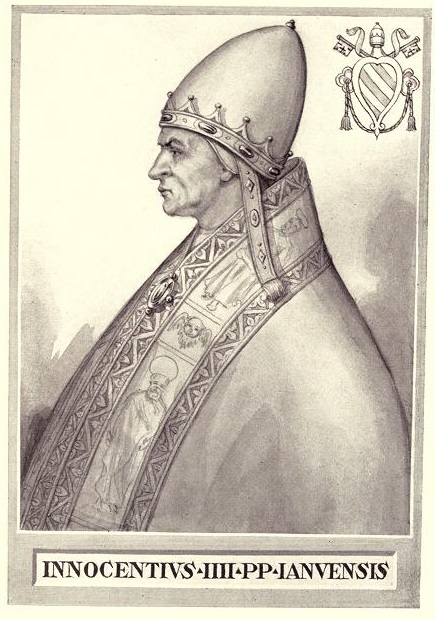
Major events
- Battle of Köse Dağ (1243): A decisive clash in Anatolia in which Mongol forces defeated the Seljuk Sultanate of Rum. The outcome reduced the independence of the Sultanate and brought it into the Mongol sphere of influence.
- Papal election and policy: In 1243 a new pope assumed leadership of the Catholic Church, shaping papal responses to conflicts between secular rulers and the papacy and influencing diplomatic relations across Europe.
- Regional aftermaths: The consequences of prior Mongol incursions into Eastern Europe and the Near East continued to be felt. Many polities adjusted by negotiating tribute, forming alliances or fortifying positions.
Across Western Europe, rulers contended with the balance of royal authority and baronial or municipal power. In the Byzantine successor states and the Crusader principalities, rulers managed fragile frontiers and shifting alliances. Trade routes across the Mediterranean and overland to the east remained important conduits for goods and ideas, even as security concerns grew in some regions.
Cultural and social context
Despite military turmoil, the mid-13th century saw continued growth in urban life, craftsmanship and learning. Cathedral building and monastic activity continued to shape religious and social life in Europe, while in parts of the Islamic world and Asia, centers of learning and administration adapted to new political realities. Economic recovery and demographic change after earlier crises influenced settlement and agricultural practices in many regions.
For further chronological detail and regional timelines, see the broader year overview at 1243 chronology. The events of 1243 illustrate how local battles and political transitions contributed to long-term shifts in power across Eurasia during the high Middle Ages.
Related articles
Author
AlegsaOnline.com 1243 (MCCXLIII): Key events and historical context Leandro Alegsa
URL: https://en.alegsaonline.com/art/111167