
Year 1197 (MCXCVII)
Overview of the year 1197 (MCXCVII): calendar placement, major political events in Europe and the Mediterranean, developments in Asia, and the year's historical significance.
1197 (Roman numeral MCXCVII) was a year in the late 12th century counted in the systems of the time as the 1197th year of the Common Era and Anno Domini reckonings. In the Julian calendar it was a common year beginning on Wednesday, a detail often noted in chronicles and modern chronological tables of the period; it belongs to the 2nd millennium, the 12th century and the 1190s.
Image gallery
1 Image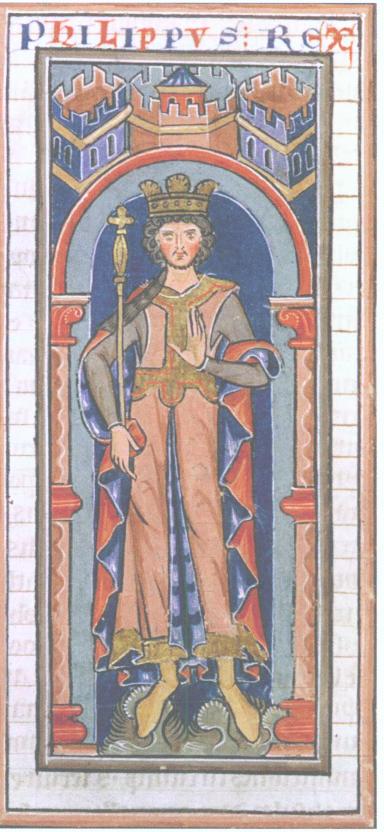
Political and military context
The year is frequently remembered for its impact on imperial politics in western Europe. The Holy Roman Emperor Henry VI, who had extended Hohenstaufen influence into southern Italy and Sicily and who had taken part in Crusading planning, died in 1197. His death created a power vacuum and a contested succession in Germany that shaped imperial and Italian affairs for years afterward. Across western Europe, monarchs such as Richard I of England and Philip II of France continued struggles over territory and authority that had characterized the late 12th century.
Crusading activity and the Mediterranean
1197 fell within an era of repeated expeditions to the eastern Mediterranean. A number of contingents from the German principalities and other regions organized or continued expeditions aimed at reinforcing the Latin states in the Levant and securing coastal positions. These efforts were part of a larger, intermittent series of crusading operations that affected trade, diplomacy and military alliances throughout the Mediterranean.
Developments in Asia
In East Asia the political map remained divided between established dynasties: the Southern Song dynasty governed large parts of China while northern territories were under the Jin dynasty, each sustaining bureaucratic and cultural life distinct to their courts. In Japan the Kamakura bakufu, established in the preceding decade, was consolidating samurai rule and new forms of military government; local institutions and landholding relations were being reshaped by the emergence of warrior governance.
Society, economy and culture
Across Eurasia the late 12th century was marked by urban growth, increased long‑distance trade and the flourishing of monastic and cathedral building in Europe. Italian maritime republics expanded commercial networks in the Mediterranean; scholastic learning and vernacular literature continued to develop in regional centers. These social and economic trends provided the background for political events and helped transmit ideas, goods and people across regions.
Notable facts and legacy
- Calendar and notation: the year's placement is recorded in medieval and modern chronologies as shown by contemporary annals and the Julian calendar reckoning (Julian calendar).
- Major death: the passing of Emperor Henry VI in 1197 altered the balance of power in the Holy Roman Empire and southern Italy.
For readers seeking primary chronologies or more detailed event lists, standard reference works and collections of medieval annals provide contemporary notices of 1197 and the surrounding years, useful for understanding both local incidents and broader long‑term trends.
Related articles
Author
AlegsaOnline.com Year 1197 (MCXCVII) Leandro Alegsa
URL: https://en.alegsaonline.com/art/111112