
1198 — year in the High Middle Ages
Overview of the year 1198 CE: calendar placement, major political and religious developments, and its significance during the High Middle Ages, including the beginning of Innocent III’s papacy.
Overview
The year 1198 (written in Roman numerals as MCXCVIII) was a common year that, in the reckoning of the period, began on a Thursday of the week according to the Julian calendar. It falls within the system of dating known as the Common Era and corresponds to the same year in the Anno Domini era. Chronologically it is part of the 2nd millennium, the 12th century, and the ninth year of the 1190s decade. These technical labels locate 1198 within the long sequence of medieval European chronology and help orient its events in broader historical narratives.
Image gallery
1 Image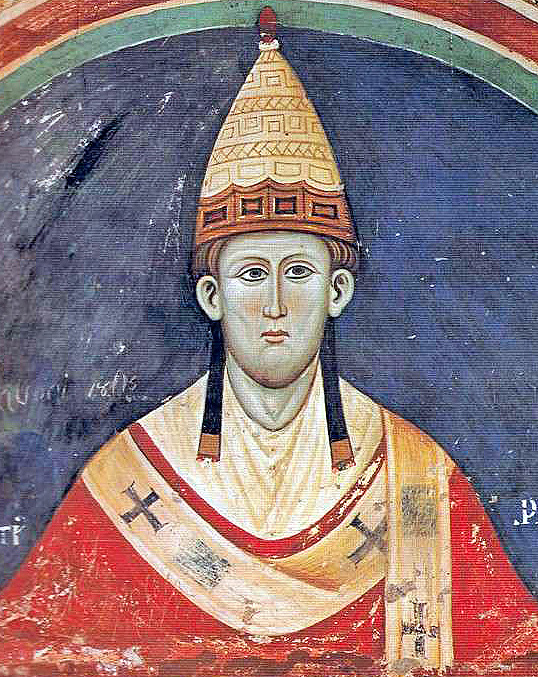
Political and military context
1198 belongs to the period historians call the High Middle Ages, when feudal monarchies, principalities and maritime city-states dominated much of Europe and the Mediterranean. In Western Europe, powerful rulers such as the kings of England and France continued to consolidate territories and contest influence. The legacy of the earlier crusading campaigns remained an important factor in European politics and diplomacy, while states in the Iberian Peninsula pursued their own Reconquista efforts against Muslim-ruled territories.
Religious developments and significance
One of the most consequential occurrences associated with 1198 was the start of a papal reign that would shape the next decades of European history. In early 1198 a new pope assumed the papacy; his pontificate would be noted by contemporaries and later historians for vigorous involvement in political affairs, appeals for military campaigns in the Holy Land, and efforts to affirm the authority of the papal office. This shift in Rome had repercussions for rulers, bishops and crusading movements across Christendom.
Broader Eurasian background
Beyond Europe, the late twelfth century was a time of dynamic change. In East Asia, established dynasties managed internal and external pressures, commerce along land and sea routes fostered cultural exchange, and steppe polities were in phases of consolidation that foreshadowed larger transformations in the early thirteenth century. North African and Near Eastern political orders continued to interact with European powers by trade, warfare and diplomacy.
Notable events and themes of 1198
- Papal transition: The new pope’s accession marked a turning point in the relationship between the papacy and secular rulers and presaged active papal intervention in international affairs.
- Continuity of crusading ambitions: Crusading remained a central theme in Western Christendom’s foreign policy, even as plans and calls for new expeditions evolved over subsequent years.
- Regional consolidation: Monarchs and noble houses in Western Europe and the Mediterranean continued legal and territorial reforms that strengthened centralized authority in some realms while provoking local resistance in others.
Notable persons and cultural notes
- The newly elevated pope quickly became one of the most influential religious figures of his era; his policies would be referenced by rulers and ecclesiastics for decades.
- Contemporary intellectual life combined scholastic inquiry, monastic scholarship and vernacular cultural expressions; universities and cathedral schools were expanding their roles as centers of learning.
- Trade networks spanning the Mediterranean and overland routes continued to transmit goods, ideas and technologies between Europe, the Islamic world and East Asia.
While a single year like 1198 may not contain a vast number of headline events by itself, it sits within a phase of medieval history in which institutional developments—especially in church authority, state formation and international relations—set patterns that shaped the later Middle Ages. For readers seeking primary chronicles, legal documents or contemporary narrative sources from this time, archival collections and modern historiographical studies provide a fuller, source-based picture of the year and its surroundings.
Related articles
Author
AlegsaOnline.com 1198 — year in the High Middle Ages Leandro Alegsa
URL: https://en.alegsaonline.com/art/111113