
The 1200s (1200–1299): Transformations across Eurasia and the Mediterranean
Survey of the 1200s: the rise of the Mongol Empire, crusading and reconquest, commercial and cultural exchange, institutional change in Europe, and the century’s long-term impacts.
Overview
The 1200s (1200–1299) were a century of wide-ranging change across Eurasia and the Mediterranean. Long-distance connections intensified through conquest, trade and diplomacy. New political formations and military pressures reshaped states from East Asia to Western Europe; at the same time cultural and technological exchange accelerated along land and sea routes. Urban growth, evolving legal institutions and expanding networks of commerce and knowledge defined much of the period.
Image gallery
1 Image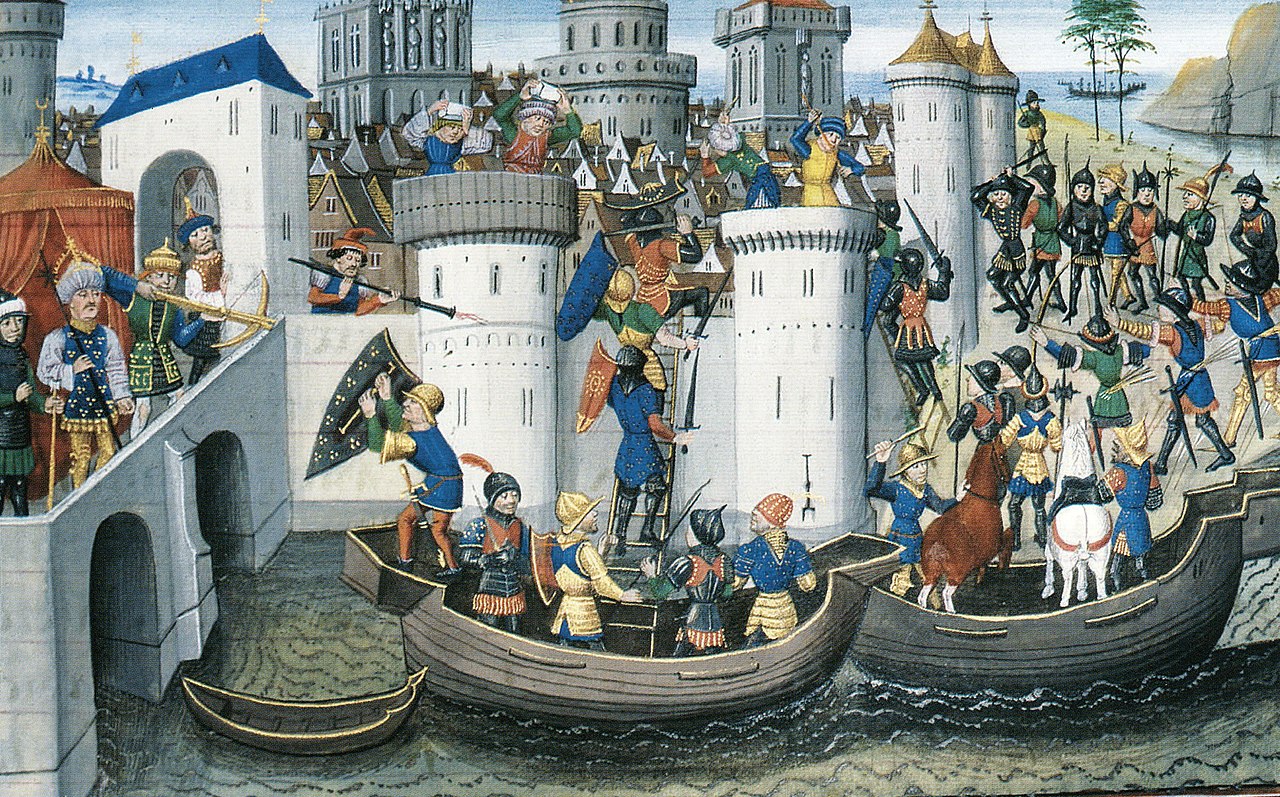
Main themes and developments
Political transformation and warfare. The century saw the dramatic rise and expansion of the Mongol Empire after 1206, with campaigns that altered political boundaries and created new conduits for exchange. Western Europe experienced consolidation of royal authority in several kingdoms, while the eastern Mediterranean was affected by Crusader ventures and the weakening of Byzantine central power following the Fourth Crusade.
Economy and connectivity. Trade networks expanded: Mediterranean maritime republics and northern trading towns grew in importance, and overland routes transmitted goods and ideas between Asia and Europe. Improvements in maritime technology, wider use of paper and financial practices supported commercial growth and urbanization.
Culture, learning and technology. Intellectual life flourished in a variety of contexts. Universities and scholastic learning developed further in Western Europe, Gothic architecture reached new achievements, and cross-cultural contact promoted the exchange of scientific, medical and navigational knowledge.
Notable events and milestones
- Fourth Crusade and the sack of Constantinople (1202–1204), with major effects on Byzantine political order.
- Genghis Khan proclaimed and Mongol expansions across Asia and into Eastern Europe from 1206 onward.
- Battle of Las Navas de Tolosa (1212), a key moment in the Iberian Reconquista.
- Magna Carta (1215) as an important landmark in English legal history and constraint on royal power.
- Mongol incursions into Eastern Europe (early 1240s) and wider campaigns that reshaped the Middle East.
- Sack of Baghdad by Mongol forces (1258), a watershed in Islamic political history.
- Rise of new powers in the eastern Mediterranean and Near East, including Mamluk rule in Egypt in the mid-13th century.
- Travels that widened geographic knowledge, including accounts of journeys to Asia that influenced European perceptions.
Regional patterns and legacy
The century did not produce uniform change; responses to pressure varied by region. In Iberia and the Mediterranean, military and commercial competition reconfigured power. In East Asia and Central Asia, nomadic and sedentary polities interacted intensely. The century’s larger legacy was to increase interregional connectivity: goods, people, technologies and ideas moved more widely than before, setting conditions for political, economic and cultural developments in the later medieval and early modern eras.
Related articles
Author
AlegsaOnline.com The 1200s (1200–1299): Transformations across Eurasia and the Mediterranean Leandro Alegsa
URL: https://en.alegsaonline.com/art/111122