
Bever, Belgium — small rural municipality in Flemish Brabant
Bever is a small rural municipality in the Belgian province of Flemish Brabant. Located in the Pajottenland region, it has medieval roots, a largely agricultural landscape, and local services for its residents.

Overview
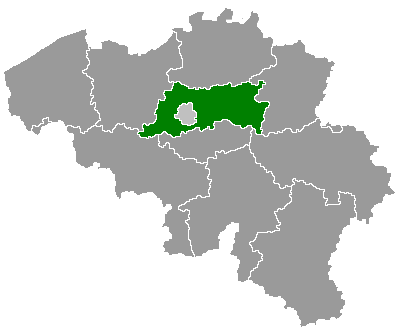
Bever is a compact municipality in the Belgian countryside, situated in the west of the country. It lies within the administrative area of Flemish Brabant and forms part of the Pajottenland, a region known for rolling farmland and small villages. The town centre is located at roughly 50°43′N, 3°56′E, placing it between larger urban centres and quieter rural communes.
Image gallery
3 Images

Characteristics and settlement
Bever is predominantly rural in character. The municipality covers a small area of villages and hamlets surrounded by agricultural land and meadows. Its population has remained modest; official figures recorded 2,048 inhabitants in 2007 and the community has generally counted residents in the low thousands. Local services are scaled to a small population, with a town hall, parish facilities and neighbourhood shops serving daily needs.
History and development
The settlement has medieval origins common to the Pajottenland, with a history shaped by agriculture and local trade. Over centuries it evolved as a village hub for surrounding farms and maintained many traditional landscape features. In modern times Bever has experienced gradual change as some residents commute to nearby towns and cities for work while others keep farming or run local businesses.
Economy, transport and community life
The local economy remains anchored in agriculture, small enterprises and services for residents. Public transport and road links provide connections to neighbouring municipalities and regional centres; many inhabitants rely on a mix of private cars and regional transit for commuting. Community life includes local events, village associations and preserved rural architecture that reflect the area’s cultural heritage.
Notable facts
- Rural municipality in Flemish Brabant, part of the Pajottenland landscape.
- Coordinates: about 50°43′N, 3°56′E.
- Population around two thousand people in the early 21st century.

For visitors and researchers, Bever offers a compact example of a Flemish rural community: modest in size, historically agricultural, and connected to the wider region by local roads and services.
Related articles
Author
AlegsaOnline.com Bever, Belgium — small rural municipality in Flemish Brabant Leandro Alegsa
URL: https://en.alegsaonline.com/art/11100
Sources
- statbel.fgov.be : Werkelijke bevolking per gemeente op 1 januari 2007 / Population de droit par commune au 1 janvier 2007 (.xls)
- statbel.fgov.be : Geografische coördinaten van de gemeenten (.xls)