
Bever, Switzerland
Bever is a small alpine municipality in the Maloja district of the canton of Graubünden, known for its Engadin setting, Romansh heritage, mountain transport links and tourism-based economy.
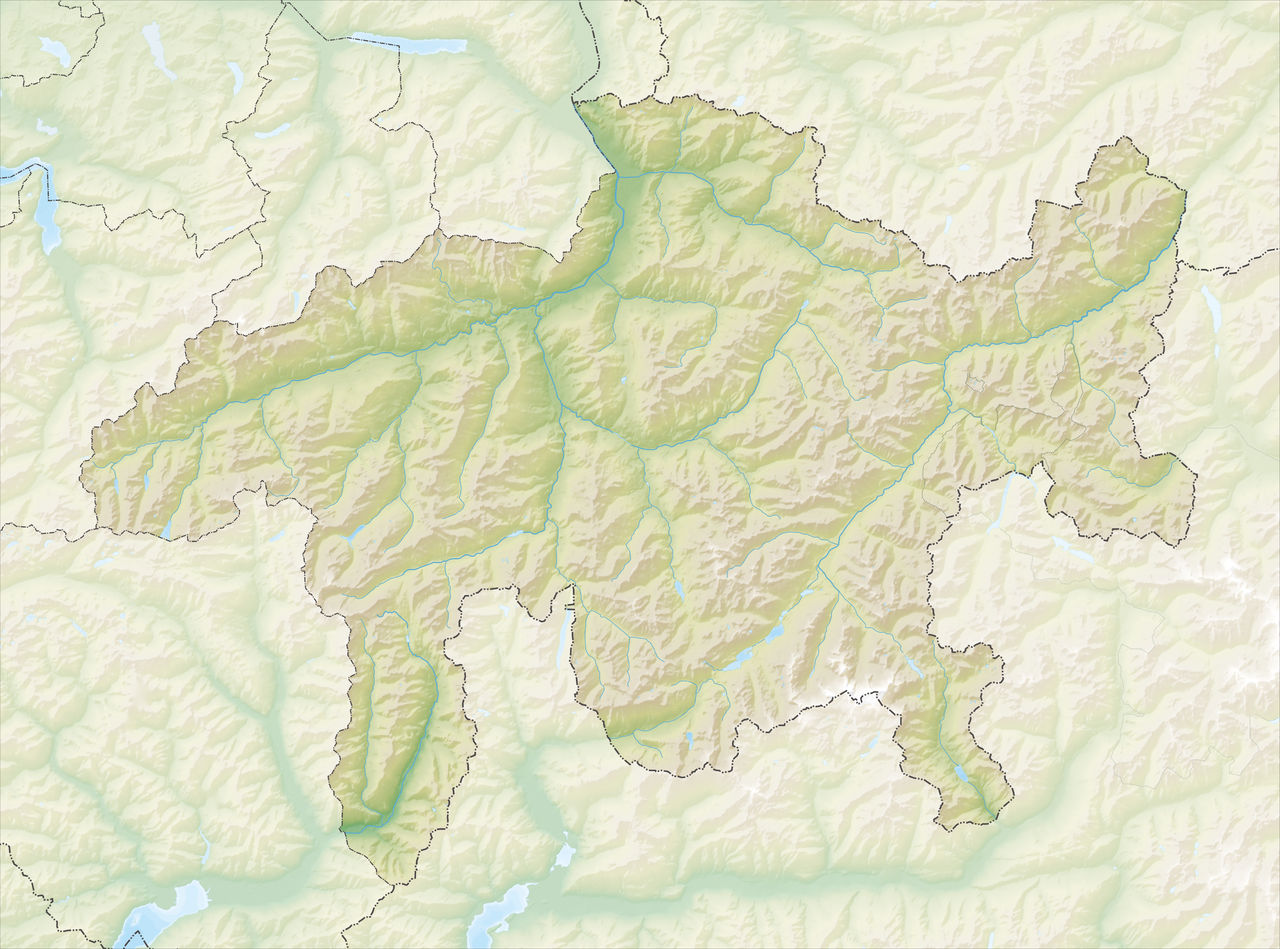
Bever is a small mountain municipality in the Maloja district of the canton of Graubünden in Switzerland. Situated in the Upper Engadin valley, it occupies a compact, elevated site typical of settlements in this part of the Alps. The village combines traditional Engadin architecture with a landscape of alpine meadows and coniferous forests, and it serves both local residents and visitors attracted by mountain scenery.
Image gallery
5 Images


Geography and transport
Bever lies within a high valley environment that shapes its climate and land use. The surrounding terrain is mountainous, with easy access to hiking trails and winter recreation. The village benefits from rail and road connections that link it to larger Engadin towns; public transport is an important feature for residents and tourists. Bever is served by regional train services that connect the Engadin with other parts of Graubünden.
History and culture
The community has roots in the historic patterns of settlement and alpine agriculture that characterize the Engadin. Romansh traditions persist in local place names and cultural life, while German is also widely used. Traditional crafts, architecture and seasonal festivals reflect the mixed linguistic and cultural heritage of the region.
Economy and activities
- Tourism: summer walking, winter sports nearby, and a quieter alternative to larger resorts.
- Agriculture: alpine pastures and small-scale farming continue to shape the landscape.
- Services and transport: local shops, hospitality and rail services connect the municipality to the broader Engadin area.
Visitors often choose Bever for its tranquil setting and as a base for exploring the Engadin valley and nearby resort towns. The village exemplifies the small, community-oriented municipalities of Graubünden, balancing preservation of local character with the practical demands of alpine living and tourism development. For administrative details, local governance and visitor information consult municipal and cantonal resources via the linked entries above.
Municipal information • District services • Cantonal resources • Regional culture • National context
Related articles
Author
AlegsaOnline.com Bever, Switzerland Leandro Alegsa
URL: https://en.alegsaonline.com/art/11101
Sources
- bfs.admin.ch : "Arealstatistik Standard - Gemeinden nach 4 Hauptbereichen"
- bfs.admin.ch : "Ständige Wohnbevölkerung nach Staatsangehörigkeitskategorie Geschlecht und Gemeinde; Provisorische Jahresergebnisse; 2018"