
Year 1005 (MV)
Overview of the year 1005 (MV): calendar status, historical context in the early 11th century, how it fits into century and millennium numbering, and broad cultural background.
Year 1005, written in Roman numerals as MV, is identified in conventional Western dating as a common year of the Julian calendar. In calendrical terms, a common year has 365 days, unlike a leap year, and falls within the older Julian system that was still in use across much of Eurasia at the time.
Image gallery
1 Image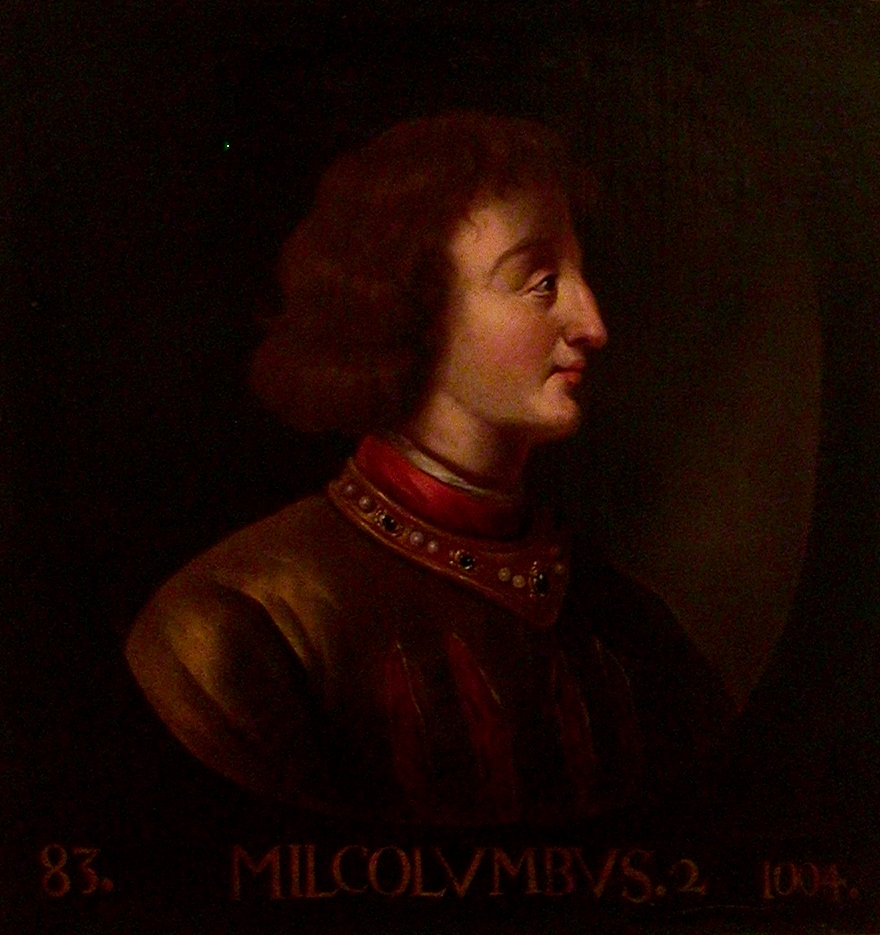
Calendar and numbering
The year is recorded under the Julian scheme, which added a leap day every fourth year; the later Gregorian reform had not yet been introduced. Contemporary and later historians may also refer to the date using different reckonings (for example ecclesiastical year starts or local era systems), so assigning a modern calendar label like "1005" sometimes requires conversion. The label places the year as part of the 2nd millennium and specifically within the 11th century.
Historical context
1005 falls in the early medieval period, a time of regional kingdoms, expanding trade routes, and diverse cultural florescence. Across Eurasia and Africa, states such as the Byzantine and various Islamic caliphates, the Song dynasty in China, and principalities in Europe and Africa were evolving institutions of governance, religion and commerce.
Characteristics and developments
Rather than a year notable for a single defining event, 1005 sits within broader trends of the era: increasing urbanization in some regions, technological and agricultural continuities, maritime and overland trade, and shifting political boundaries driven by dynastic changes and local conflicts. Literacy, scholarship, and artistic production continued in many cultural centers.
Why the year matters to historians
Historians use a year like 1005 as a reference point to compare contemporaneous developments across regions, to date documents and artifacts, and to chart long-term changes. Because local calendars and era systems varied, modern chronologies often link original records to the Julian year-number to provide a common frame.
- Notation: Roman numeral MV
- Calendar: Julian common year
- Placement: early 11th century, 2nd millennium
- For further general context see Julian calendar and comparative timelines at chronological references.
Related articles
Author
AlegsaOnline.com Year 1005 (MV) Leandro Alegsa
URL: https://en.alegsaonline.com/art/110902