
1015 (Common year)
Overview of the year 1015, its principal political events, cultural context across Eurasia, and its significance in early 11th-century medieval history.
1015 was a common year of the Julian calendar. It falls within the early medieval period, a time marked by shifting kingdoms, dynastic struggles, and expanding contacts across Europe, the Middle East and Asia. While no single event defines the year universally, 1015 sits amid several important developments that shaped the following decades.
Image gallery
1 Image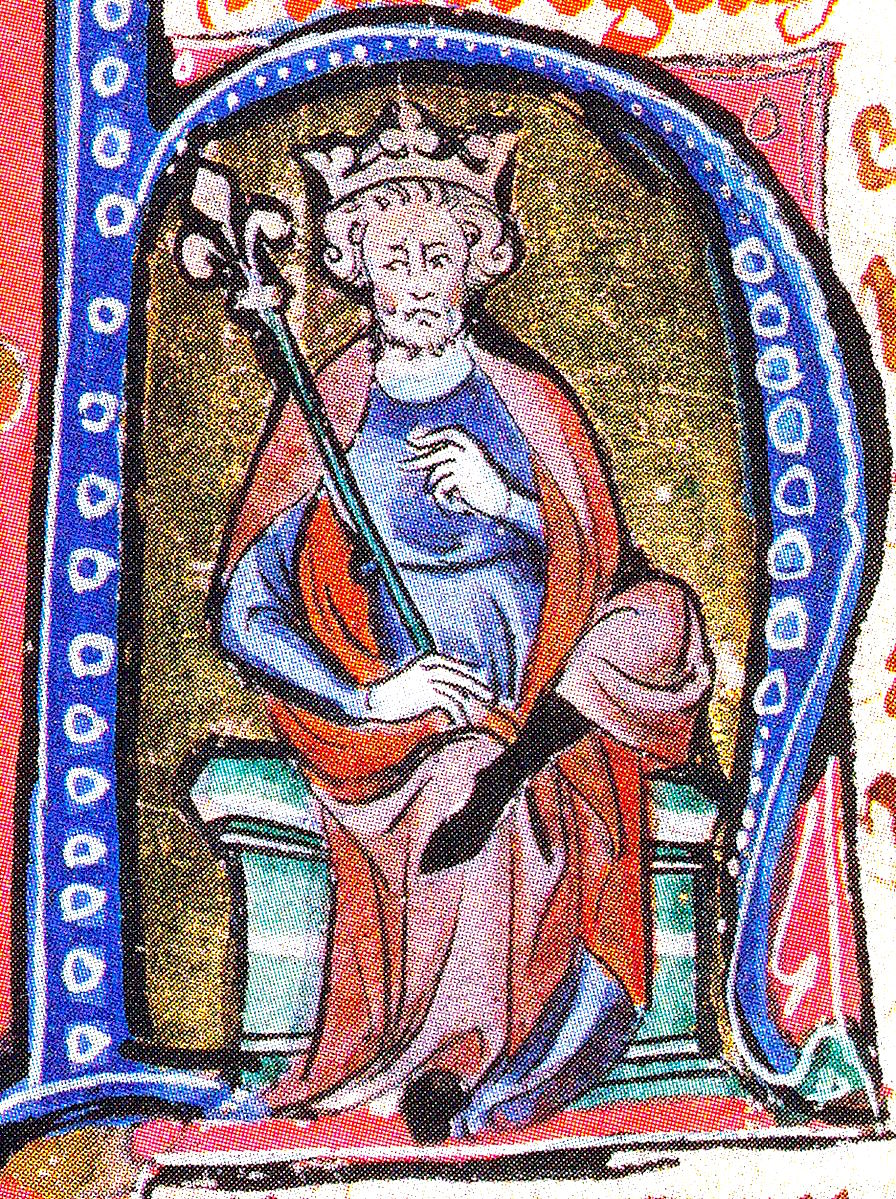
Political and military events
Several notable political actions and conflicts occurred around 1015. These include invasions, successions, and ongoing campaigns that altered regional power balances.
- Cnut's invasion of England: The Danish prince Cnut (later king of England) landed forces in England in 1015, challenging the reign of Æthelred and beginning a campaign that culminated in Danish control of large parts of the kingdom.
- Kievan Rus' succession crisis: The death of Grand Prince Vladimir the Great in 1015 triggered a period of dynastic struggle among his sons, reshaping the political map of Eastern Europe over the next years.
- Byzantine and Balkan conflicts: Emperor Basil II continued to consolidate Byzantine gains after his campaigns against the First Bulgarian Empire, maintaining pressure on the Balkans.
Wider Eurasian background
Beyond Europe, the early 11th century saw dynamic developments. In the Islamic world and Central Asia, the Ghaznavid dynasty under rulers such as Mahmud of Ghazni conducted raids and expanded influence into the Indian subcontinent. In East Asia, the Song dynasty in China and the Heian court in Japan oversaw cultural and administrative growth rather than territorial expansion. Trade networks across the Mediterranean, the Middle East and the Indian Ocean continued to move goods and ideas.
Culture, economy and legacy
1015 sits within longer cultural trends: the consolidation of Christian kingdoms in Western Europe, the development of princely courts in Eastern Europe and Rus', artistic and literary activity at the Heian court, and the transmission of knowledge along trade routes. The year is best understood as part of a transitional era that set the stage for later medieval states and cross-cultural interactions.
For calendar reference, this year is recorded as a common year in contemporary chronologies and modern reconstructions of the Julian system. See general calendar notes at Julian calendar for context on how years were reckoned in medieval Europe.
Related articles
Author
AlegsaOnline.com 1015 (Common year) Leandro Alegsa
URL: https://en.alegsaonline.com/art/110920