
Year 1018 (MXVIII)
A concise overview of the year 1018 AD: calendar context, major political and military events across Europe and Byzantium, and its historical significance.
The year 1018 (written MXVIII in Roman numerals) was a common year beginning on Wednesday in the Julian calendar. A "common year" in this system contains 365 days and follows the leap-year conventions established under the Julian reform. For a modern tabular view see the full calendar for 1018 and background on the Julian calendar.
Image gallery
1 Image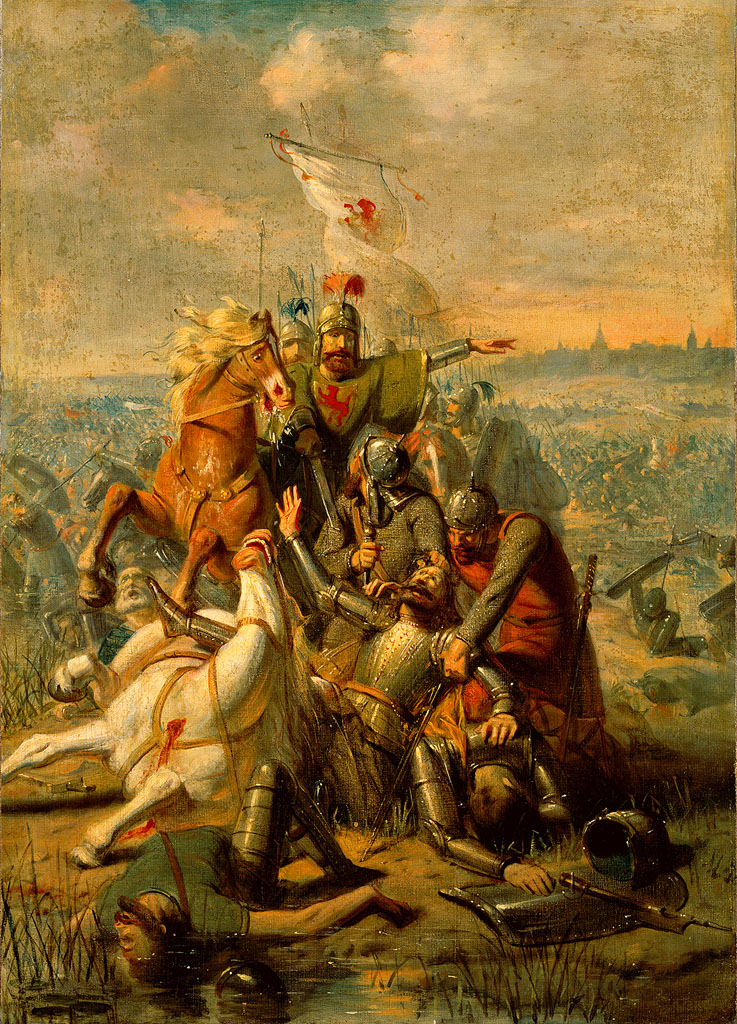
Overview and context
1018 falls in the high medieval period, when political boundaries and dynasties across Europe and the Near East were in flux. Several conflicts and diplomatic settlements that year shaped regional borders: the Byzantine Empire completed long military campaigns in the Balkans; Central and Eastern Europe saw shifting alliances and wars involving Poland, the Holy Roman Empire and the principalities of Kievan Rus'; and rulers across western Europe continued processes of consolidation and feudal reorganisation.
Major events
- Byzantine consolidation: Emperor Basil II concluded campaigns that brought the lands of the First Bulgarian Empire effectively under Byzantine control, finalizing a process of conquest begun earlier in his reign and altering the political map of the Balkans.
- Polish and German diplomacy: The year witnessed negotiations and settlements between the German emperor and the Polish duke that adjusted borders and influence in Central Europe following years of warfare, with long-term consequences for the region's political balance.
- Kievan Rus' conflicts: Military activity and dynastic struggle affected the principalities of Kievan Rus', including interventions by neighboring powers and temporary seizures of key cities during rivalries among ruling families.
Significance and consequences
Events of 1018 helped to define medieval territorial arrangements. The Byzantine incorporation of Bulgarian lands extended imperial control in the Balkans and had cultural and administrative effects for decades. Agreements in Central Europe stabilized frontiers for a time, influencing the development of medieval Poland and its relations with the empire to the west. Meanwhile, the turbulence in Kievan Rus' foreshadowed continuing competition among regional princes.
Notes and distinctions
When historians refer to the year 1018 they usually employ the Anno Domini era, a dating system in common use across medieval Europe. Calendar reckoning in medieval sources can vary: chronicles may use regnal years, indictions, or ecclesiastical calendars rather than a plain numerical year. The notation "MXVIII" reflects later historiographical practice of giving the year in Roman numerals.
While the year does not stand out for a single globally transformative event, its military and diplomatic episodes contributed to longer-term shifts in power across Europe and the eastern Mediterranean during the early eleventh century.
Related articles
Author
AlegsaOnline.com Year 1018 (MXVIII) Leandro Alegsa
URL: https://en.alegsaonline.com/art/110923
Sources
- books.google.com : Medieval Italy: an encyclopedia