
İsmet İnönü — Turkish general, statesman and second President of Turkey
Overview of Mustafa İsmet İnönü (1884–1973): Ottoman army officer, Republic of Turkey leader, prime minister, second president, wartime steward, and key figure in Turkey's single- to multi-party transition.
Overview
Mustafa İsmet İnönü (1884–1973) was a leading Turkish military officer and statesman who played a central role in the foundation and early decades of the Republic of Turkey. A veteran of the late Ottoman armies and the Turkish War of Independence, İnönü later served repeatedly as prime minister and succeeded Mustafa Kemal Atatürk as the second president of the republic. His tenure shaped Turkey's diplomacy, wartime policy and the early transition from single-party rule toward multi-party politics. For more on his political life see biographical summaries.
Image gallery
10 Images


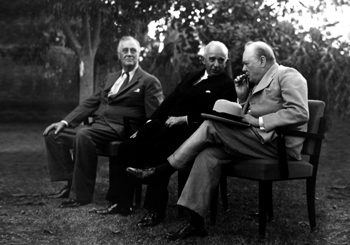
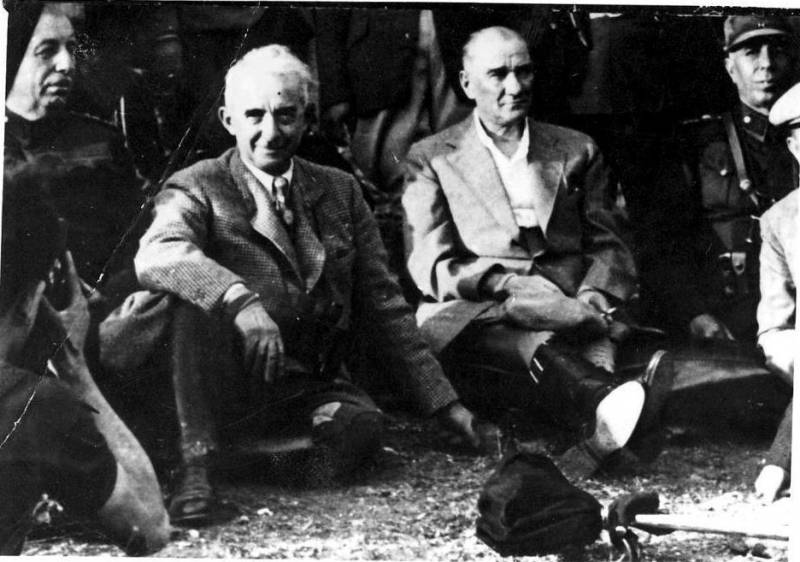


Military career and early statesmanship
Trained in the Ottoman military, İnönü emerged as an effective field commander during the conflicts that followed World War I. He was associated with several important engagements of the War of Independence and later represented the new republic in diplomatic negotiations. His military background informed his approach to statecraft and national defense. Details of his early service and rank are described in sources on his military career.
Prime minister, president and domestic policy
İnönü served as prime minister in the 1920s and 1930s and became leader of the Republican People's Party (CHP) after Atatürk's death. In 1938 he assumed the presidency and was given the informal title "National Chief" by his party. His administration is noted for maintaining the republic's secular and reformist orientation while confronting economic and security challenges. During World War II he pursued a policy of neutrality, balancing pressure from both Axis and Allied powers and later aligning with the postwar international order. For context on his presidency and the republic, see presidential records and material about Turkey.
Postwar transition and later career
After World War II, İnönü presided over an era of political change: his government loosened the single-party system and permitted the development of opposition parties. The CHP lost national elections in 1950 and İnönü became leader of the opposition, marking the first peaceful transfer of power in the republic's modern history. He later returned to office in the early 1960s to head a government tasked with stabilizing the country after a military intervention and helped oversee a new constitution. His party affiliation and leadership are discussed in materials about the Republican People's Party.
Legacy and notable facts
İnönü is remembered both for his wartime prudence and for guiding Turkey through a difficult international environment. His record includes controversial wartime measures and economic policies as well as significant steps toward democratization. Fluent in several languages, he remained a close associate of Atatürk and requested to be laid to rest beside him; his grave is within the Anıtkabir complex, often noted in accounts of Turkish national memory and places of commemoration (Anıtkabir references).
- Key roles: army officer, diplomat, multiple-term prime minister, second President of Turkey.
- Major themes: military leadership, neutrality in global conflict, managed political liberalization, legacy as elder statesman.
- Personal notes: remembered as multilingual and a close collaborator of Mustafa Kemal Atatürk.
For further reading consult dedicated biographies and historical surveys that cover Turkey's founding era, wartime diplomacy and the mid-20th-century shift to competitive electoral politics, which together frame İnönü's long public life and influence.
Related articles
Author
AlegsaOnline.com İsmet İnönü — Turkish general, statesman and second President of Turkey Leandro Alegsa
URL: https://en.alegsaonline.com/art/110875