
List of botanical gardens
An encyclopedic overview of botanical garden lists: organizational principles, history, roles, typical entries and notable examples arranged by country and type.
Overview
A "list of botanical gardens" is a cataloguing format used to organise information about institutional plant collections. Such lists typically group gardens by country, region or administrative owner, and may indicate specialisations such as tropical collections, desert collections, or research-oriented arboreta. Their purpose is to make botanical institutions easier to find for visitors, researchers, conservationists and policymakers.
Image gallery
3 Images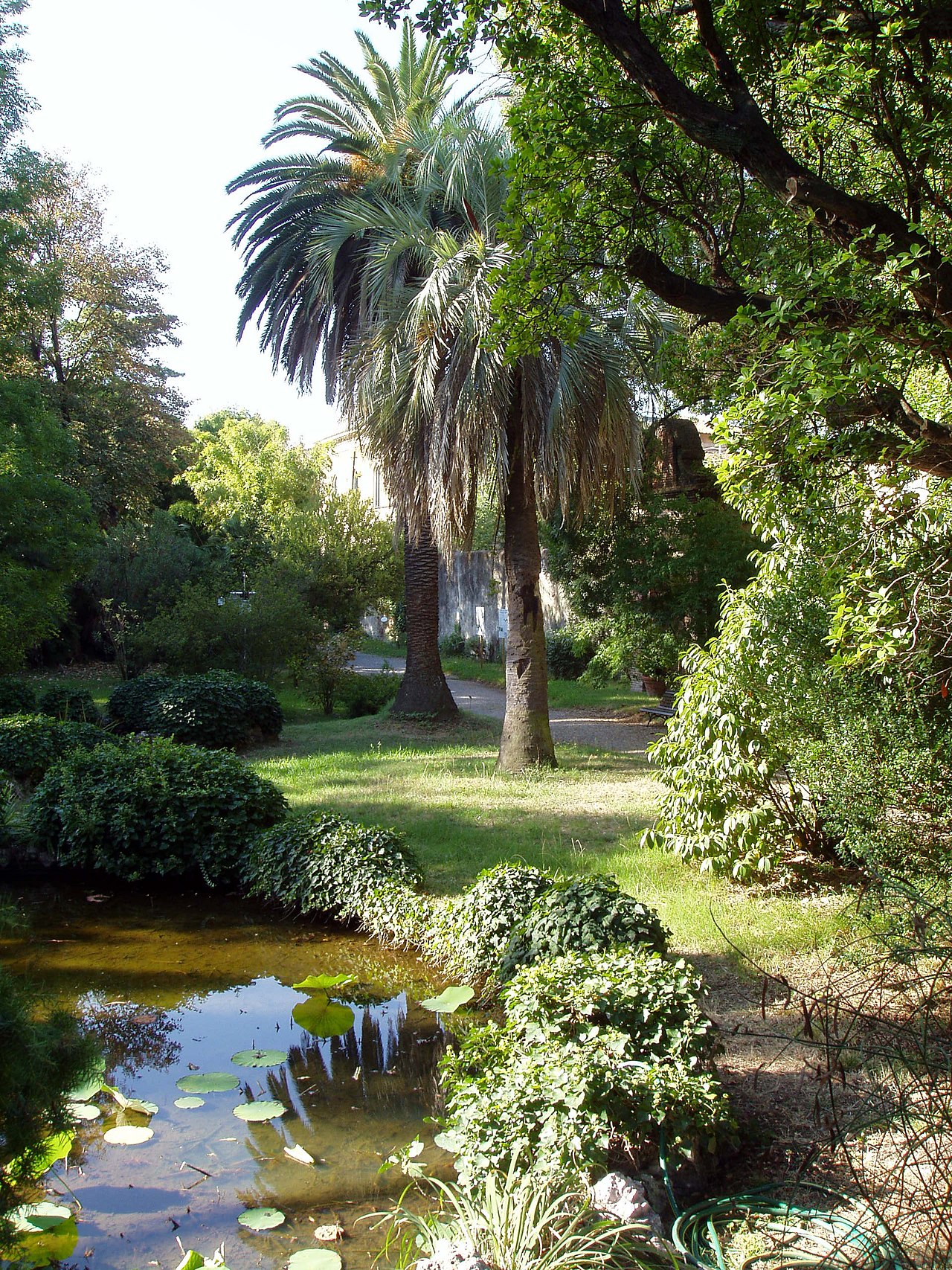


Organization and inclusion criteria
Entries in these lists usually identify each garden's name, location and managing body (municipal, university, private foundation, or national). Some lists add the garden's founding date, area, notable collections, or accreditation status. Common categories used in lists include:
- Public botanical gardens (open to visitors)
- University and research gardens (focussed on science and teaching)
- Conservation collections and seed banks
- Specialised gardens (e.g., alpine, medicinal, tropical)
History and development
Botanical gardens developed from medieval and Renaissance medicinal gardens that supplied physicians and pharmacists with useful plants. Over centuries they grew into institutions for plant classification, acclimatisation, and public education. By the 19th and 20th centuries many gardens added living collections, herbaria, laboratories and public displays; modern lists reflect that diversity of roles.
Roles, uses and importance
Beyond recreation, botanical gardens serve scientific research, plant conservation, ex situ breeding, ecological restoration and formal education. They maintain reference collections that support taxonomy, horticulture and climate-change studies. Lists help coordinate networks for conservation, seed exchange and collaboration between institutions.
Notable examples and distinctions
Lists often highlight historically significant or internationally recognised gardens, national botanical institutions, and UNESCO-recognised sites. They may also distinguish between botanical gardens and related institutions such as arboreta, public parks with botanical displays, and commercial nurseries. Regional lists—arranged alphabetically by country—are a common practical format for global directories.
Using and maintaining lists
To be useful, a list should be regularly updated and include contact information, visiting hours or links to official pages where available. Curators and local authorities commonly contribute updates so lists remain accurate for researchers, tourists and conservation planners.
Related articles
Author
AlegsaOnline.com List of botanical gardens Leandro Alegsa
URL: https://en.alegsaonline.com/art/124513
Sources
- gardensottawa.ca : gardensottawa.ca
- friendsofthefarm.ca : friendsofthefarm.ca/plan-your-visit/