
Zito (José Ely de Miranda) — Brazilian midfielder, Santos captain and youth developer
José Ely de Miranda (Zito, 1932–2015) was a Brazilian defensive-minded midfielder noted for leadership, tactical intelligence and work at Santos FC; two-time World Cup winner with Brazil (1958, 1962).
José Ely de Miranda, widely known as Zito, was born on 18 August 1932 and died on 14 June 2015. He was a leading figure in Brazilian football during the 1950s and 1960s, renowned for his calm authority, defensive intelligence and capacity to organise play from midfield. Zito spent the bulk of his playing career at Santos, and was also a regular selection for the Brazil national team, contributing to two of the country’s early World Cup victories.
Image gallery
4 Images
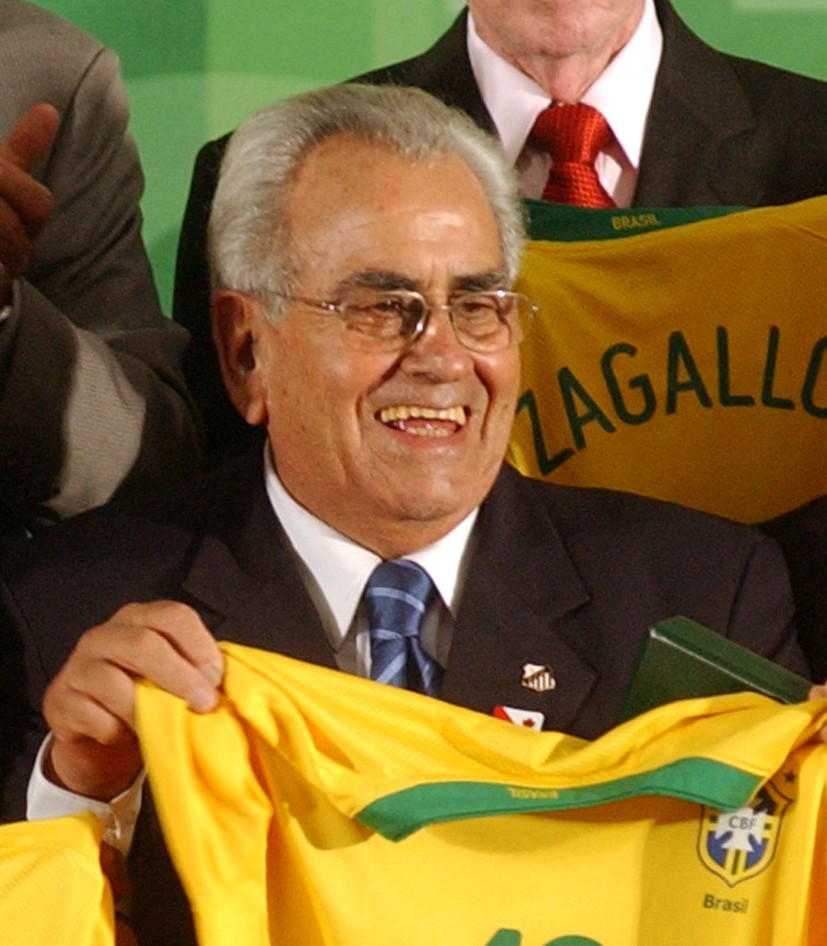


Early life and rise
Zito came to prominence in an era when Brazilian football was developing a distinctive style that combined technical flair with greater tactical organisation. He emerged as a professional in the 1950s and quickly established himself as a dependable midfield presence whose intelligence and work-rate complemented more attack-minded team-mates. Contemporary observers noted his discipline, concentration and the way he anticipated opposition play, qualities that helped him become a natural leader on the pitch.
Club career and captaincy at Santos
Most of Zito’s club career was spent at Santos, where he became one of the club’s most admired figures. As a captain he led a team that included exceptional attacking talents such as Pelé, and he was often described as the stabilising influence who allowed flair players to express themselves with less defensive burden. Under his leadership, Santos achieved significant domestic and international success; his role as a defensive foil and distributor of the ball was repeatedly credited in club histories and retrospectives. For details of his playing record and biographical notes see a dedicated player profile.
International career and World Cups
Zito was a member of Brazil’s squads that won the FIFA World Cup in 1958 and again in 1962. In both tournaments his contributions were understated but important: recovering possession, maintaining balance in midfield and providing measured passing to launch attacks. While much attention is often focused on Brazil’s strikers and dribblers from that period, teammates and commentators have emphasised that players in Zito’s role were essential to the team’s overall effectiveness and balance.
Playing style
Often described using older positional terms such as wing-half or half-back, Zito’s game is easier to understand in modern terms as a defensive or deep-lying midfielder. He combined tackling and positional discipline with accurate short passing and the ability to read play. Rather than seeking personal glory, he concentrated on enabling others, protecting the defence and regulating tempo. His leadership qualities, composure under pressure and tactical awareness made him a prototype of the team-oriented midfielders that football selectors value highly.
Later life, coaching and youth development
After retiring as a player Zito remained involved with Santos in administrative and developmental roles. He acted as a director and youth coordinator, helping to identify and nurture younger players and influencing the club’s approach to talent development. His post-playing work reinforced his reputation as a committed servant of the club and of Brazilian football more broadly. Accounts of his contribution to club structure and youth coaching can be found in studies of Santos’s institutional history and in articles focused on captaincy and leadership within teams.
Legacy
Zito is remembered as one of the classic midfield brains of his generation: a leader who combined technical competence with tactical intelligence and selfless teamwork. He is regularly cited in club histories and national retrospectives as a central figure during Santos’s golden era and as a dependable international whose two World Cup medals link him inextricably to the formative period of Brazil’s ascendancy in world football. For further reading and archival material consult specialist works and archival profiles that document his career and era.
- Born: 18 August 1932.
- Died: 14 June 2015.
- Club: Santos (principal club).
- National team: Brazil, World Cup winner (1958, 1962).
- Further resources: player profile, discussions of leadership and historical accounts of the World Cup era.
Related articles
Author
AlegsaOnline.com Zito (José Ely de Miranda) — Brazilian midfielder, Santos captain and youth developer Leandro Alegsa
URL: https://en.alegsaonline.com/art/110656
Sources
- fifa.com : "FIFA Tournaments - FIFA.com"
- mykhel.com : "Brazil football legend Zito dies aged 82"
- mykhel.com : mykhel.com/