
Pelé — Brazil’s football legend, three‑time World Cup winner and global ambassador
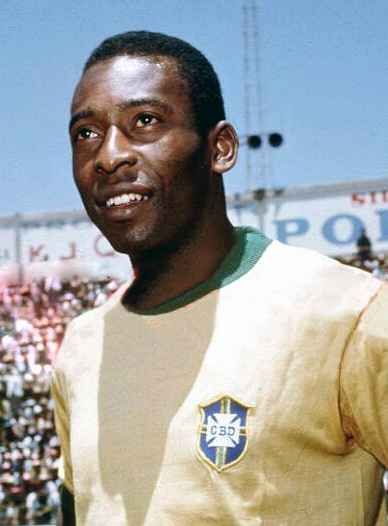
Edson Arantes do Nascimento (Pelé) was a Brazilian footballer celebrated for goalscoring, creativity and sportsmanship; a three‑time World Cup winner and long‑standing ambassador for the sport and charitable causes.
Overview
Edson Arantes do Nascimento, widely known as Pelé, was born on 23 October 1940 in Três Corações, Minas Gerais, Brazil. From modest origins he rose to international fame through exceptional playing ability, a remarkable feel for goals, and a charismatic public presence that helped popularize football across continents. Pelé is frequently associated with the phrase "The Beautiful Game" and is remembered as one of the sport’s most influential figures, both on and off the pitch.
Image gallery
10 Images





Early life and rise to prominence
Pelé began playing football as a child and joined local youth teams before being recruited by Santos FC as a teenager. He made his first-team debut while still a teenager and rapidly attracted attention for his scoring instincts, technique and versatility. Selected for his national side at a young age, Pelé’s performances on the world stage brought him instant global recognition and helped transform him from a promising youth into a household name.
Club career — Santos and international tours
At club level Pelé spent the bulk of his career with Santos, where he developed into the talisman of a team that dominated Brazilian and South American football through much of the late 1950s and 1960s. Santos won many domestic competitions and continental titles during this period, and the club’s success was closely identified with Pelé’s goals and creative play. The Santos side toured internationally on numerous occasions, raising the profile of both the club and its captain and helping to popularize the sport outside traditional strongholds.
- Santos era: Pelé progressed from youth prospect to the club’s leading scorer, a record that remains part of his enduring legacy. His frequent high-scoring performances in domestic competitions and friendlies made Santos a drawcard for international exhibitions and tours.
- Later club activity: After his principal years at Santos, Pelé finished his playing career with a stint at the New York Cosmos in the United States, where his presence contributed to greater interest in professional football during the 1970s and to the sport’s visibility in North America.
International career and World Cups
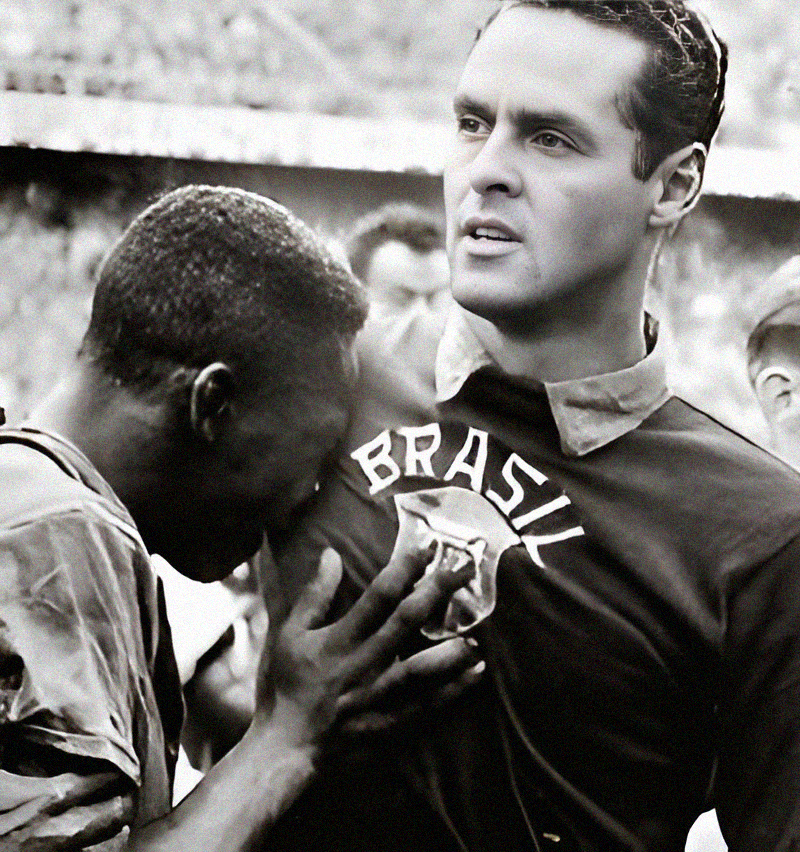
Pelé made his Brazil national team debut as a teenager and became a central figure in three World Cup–winning squads. He first gained global attention at the 1958 FIFA World Cup, where his performances as a young forward helped Brazil win the tournament and announced him as a future great. He was also part of Brazil’s triumphant sides in 1962 and 1970, making him the only player to have been a member of three World Cup–winning teams. Across his international career he finished as Brazil’s leading goalscorer for many years, and his ability to produce important goals in key matches cemented his reputation as a decisive performer on the biggest stages.
Playing style and signature skills
Pelé is widely regarded as a complete forward whose game combined technical skill, tactical intelligence and physical attributes. Though not especially tall by modern striker standards, he was strong in the air thanks to remarkable timing and elevation. He struck the ball effectively with either foot, delivered accurate set pieces on occasions, and was capable of sudden accelerations and skillful dribbling that unsettled defenders.
- Technical range: Pelé could score from close range, from distance, and with headers. He displayed balance, close control and a range of feints and turns that enabled him to create scoring opportunities for himself and others.
- Creativity and vision: Beyond finishing, he often dropped into midfield or wide positions to link play, supplying assists through precise passing and intelligent movement.
- Notable moves: In Brazil he became associated with specific dribbling maneuvers and showpiece moves, reflecting a style that combined flair with effectiveness.
- Team ethos: Pelé was praised for his work rate and willingness to contribute defensively and to the collective play of his teams, complementing his individual moments of brilliance.
Records and statistical considerations
Quantifying Pelé’s goals and appearances requires careful attention to what kinds of matches are included. Many widely quoted career totals include friendlies, exhibition matches and tour games as well as official competitive fixtures; when such matches are counted Pelé’s career number of goals exceeds one thousand. Alternate tallies that restrict the count to officially recognised competitions and international matches produce lower totals, and different statisticians report differing figures. His name appears in reference compilations such as the Guinness World Records for milestone achievements, and he received formal recognition from organisations including FIFA during and after his playing career.
At national and club levels some of Pelé’s most commonly cited figures are his haul of goals for Brazil and for Santos. He is widely reported as Brazil’s all‑time record scorer for a long period, and his goals for Santos established him as that club’s most prolific forward in official matches. Because reporting conventions vary by era and by competition, modern researchers and statisticians sometimes produce different totals; reputable sources typically explain the criteria used for inclusion when they publish their counts.
Major honours and recognition
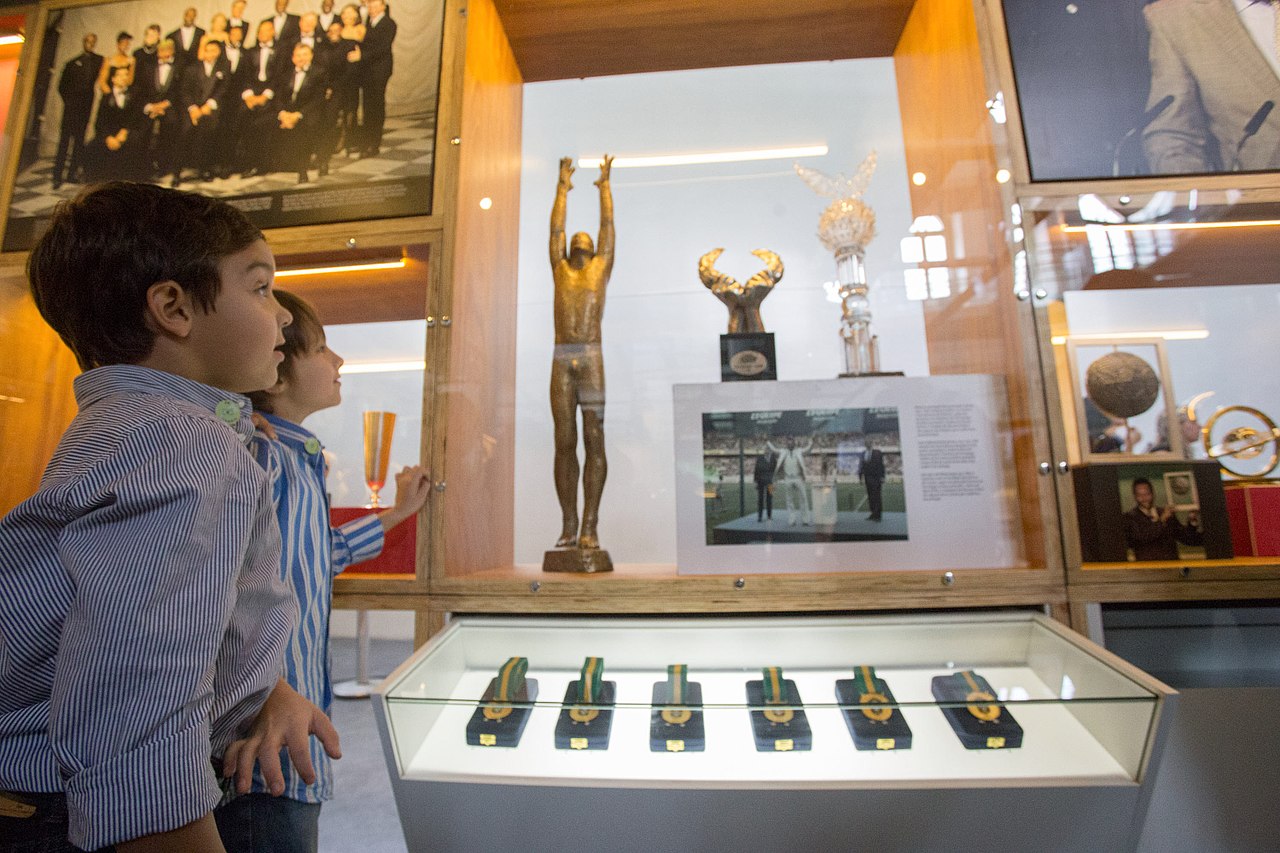
Pelé won numerous team trophies during his career, including several national league titles and continental championships with Santos, together with three World Cups with Brazil. He received individual accolades and high-profile honours in recognition of his impact on and off the field. One of the most widely publicised honours was his selection by an international football authority as a leading figure for the century, a distinction that underlined his stature in global football history.
Off‑field life, advocacy and later roles
Outside the playing arena Pelé was an active public figure who undertook commercial projects, acted in films and promoted charitable activities. He used his status to support social initiatives and was vocal about issues that affected disadvantaged communities in his home country. Following retirement from professional play he served in ambassadorial roles for football organisations and held honorary positions intended to promote the game and its social benefits.
Personality, sportsmanship and public image
Pelé’s public image combined a love of the sport with a reputation for fair play and leadership. He was often celebrated for gestures that symbolised respect between opponents, and his conduct on the field was widely seen as reflecting both competitive drive and sportsmanship. At the same time, as one of the most prominent Black athletes to achieve global celebrity in his era, Pelé’s rise carried broader cultural significance and inspired many people in Brazil and beyond.
Legacy and influence
Pelé’s legacy extends beyond tallies of goals or lists of trophies. He helped to shape the modern perception of attacking play, influenced generations of players with his combination of skill and athleticism, and played a central role in making football a mass spectator sport in many parts of the world. Debates about the greatest players in history remain subjective, but Pelé is consistently cited among a small group of individuals whose careers changed the game and left a lasting impression on fans, players and administrators.
Further reading and resources
For readers seeking match records, contemporary accounts and detailed statistical breakdowns, specialist histories, archival footage and dedicated football databases provide the most precise documentary sources. General histories of the sport discuss Pelé’s cultural and sporting significance, while club archives and national team records supply match‑by‑match detail. A useful introduction to the broader history of the sport and its development is available through resources on football history, and readers interested in official recognition and records may consult material from organisations that compile historical statistics.
Pelé’s life and career illustrate how exceptional sporting talent can resonate beyond the playing field: through moments of technical brilliance, decisive performances and visible leadership he helped define a generation of football and inspired successive waves of players and supporters. His role as a global ambassador for the game and his advocacy for social causes ensured that his influence remained visible long after his final matches.
For country context and national recognition see materials about Brazil and its football culture. Specific contemporary reports and official event pages provide further context about the tournaments that marked his rise, including the 1958 World Cup coverage and retrospective analyses. Additional compilations of records and milestones are maintained by organisations such as Guinness World Records and by football governing bodies like FIFA.
Questions and answers
Q: What is Pelé's full name?
A: His full name is Edson Arantes do Nascimento.
Q: When was Pelé born?
A: He was born on October 23, 1940 in Três Corações, Minas Gerais, Brazil.
Q: What type of player was Pelé?
A: He was a prolific goalscorer who had the ability to anticipate opponents in the area and finish off chances with an accurate and powerful shot with either foot. He also had exceptional vision and intelligence that allowed him to play in a variety of attacking positions such as inside forward or second striker. In his later career he took on more of a deeper playmaking role behind the strikers often functioning as an attacking midfielder.
Q: How tall was Pelé?
A: He stood at 1.73 metres (5 ft 8 in).
Q: What are some of Pelé's signature moves?
A: His signature moves were the drible da vaca and the paradinha or little stop.
Q: How many goals did he score throughout his career?
A: Throughout his entire career, he scored 1283 goals in 1363 games including unofficial friendlies and tour games.
Author
AlegsaOnline.com Pelé — Brazil’s football legend, three‑time World Cup winner and global ambassador Leandro Alegsa
URL: https://en.alegsaonline.com/art/128414