
Zhongli District (Taoyuan, Taiwan)
Zhongli District is a populous, culturally significant district in Taoyuan, Taiwan, known for its Hakka heritage, industrial suburbs, transport links, and the 1977 Jungli Incident in Taiwan's democratic history.
Zhongli District is an urban district located within Taoyuan City in Taiwan. Its Chinese name is shown as 中壢區 and its standard pinyin form is Zhōnglì Qū. The name appears in multiple romanized spellings on signs and timetables (Jungli, Jhongli, Chungli, etc.), reflecting different historical and local romanization practices. Zhongli functions as an important regional center for commerce, transport and community life in western Taoyuan.
Image gallery
8 Images

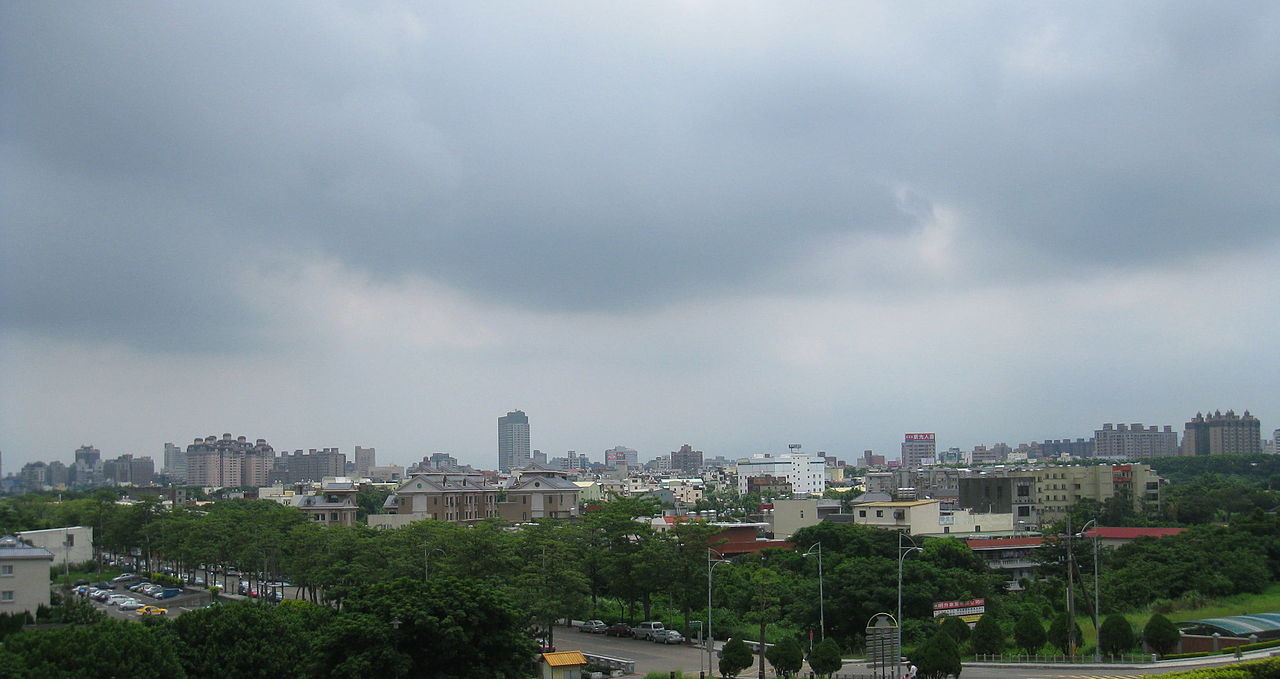


Geography and urban character
Zhongli occupies a mix of dense urban neighborhoods and suburban districts with industrial zones toward its periphery. The district is served by regional rail and road networks that link it with other parts of northern Taiwan, and it contains both residential neighborhoods and areas zoned for manufacturing and logistics. Public amenities include municipal services, markets, educational institutions and community centers that support a diverse local population.
Demographics and culture
Zhongli has long been recognized as a cultural focal point for Hakka people in Taiwan; many residents are Hakka and older generations commonly speak Hakka in addition to Mandarin and Taiwanese Hokkien. In recent decades the district has also become home to sizable numbers of foreign laborers and migrants, particularly from the Philippines and Thailand, who work in local manufacturing, construction and services. This mix of communities contributes to a multilingual and multicultural urban fabric.
History and political significance
Historically a market town that grew with Taiwan's twentieth-century urbanization, Zhongli gained national attention in 1977 during the event known as the Jungli Incident. That protest over electoral irregularities and public grievances is widely cited as an important moment in Taiwan's broader democratization movement. Since then Zhongli has continued to evolve as part of Taoyuan's expansion and as a site of civic and cultural activity.
Economy, parks and public life
The district's economy blends light and heavy industry in suburban belts with retail, services and logistics in its urban core. Zhongli offers public green space for residents, including three large parks and more than seventy smaller green reserves and neighborhood gardens that provide recreational space and urban greenery. Local markets, shopping areas and cultural venues reflect both traditional Hakka heritage and contemporary urban life.
Transport, names and notable features
Zhongli is well connected by regional transport and has a prominent railway station and bus services that facilitate commuting within the Taipei–Taoyuan corridor. The variation in its English spellings illustrates Taiwan's changing romanization systems over time. Visitors and researchers often note Zhongli for its Hakka cultural presence, its role as a center for migrant workers in northern Taiwan, and its place in modern Taiwanese political history.
- Official name: 中壢區 (Zhōnglì Qū)
- Administrative unit: part of Taoyuan City
- Country: Taiwan
- Notable communities: large Hakka population and migrant workers from the Philippines and Thailand
Related articles
Author
AlegsaOnline.com Zhongli District (Taoyuan, Taiwan) Leandro Alegsa
URL: https://en.alegsaonline.com/art/110562
Sources
- hakka.gov.tw : 總計畫:客家紮根研究 · web.archive.org
- moeaidb.gov.tw : 經濟部工業局中壢工業區服務中心--首頁
- commons.wikimedia.org : Zhongli District, Taoyuan
- wikidata.org : wikidata.org/wiki/Q172146
- d-nb.info : 4361922-8
- musicbrainz.org : 38ca31c8-7152-41c1-90a8-ea780ff0158f
- aleph.nkp.cz : xx0053325