
Zevenaar — municipality and city in Gelderland, Netherlands
Zevenaar is a Dutch city and municipality in Gelderland, on the Rhine and IJssel rivers. Known for its historic center, cross‑border location next to Germany and a 2018 municipal merger with Rijnwaarden.
Overview
Zevenaar is a city and municipality in the eastern Netherlands, located in the province of Gelderland. The municipality covers both the Liemers and parts of the IJsselvallei regions on the northeast bank of the Rhine. In 2021 the municipality's population was about 44,000 inhabitants, of whom roughly 25,000 lived in the urban centre. Its position near the German border makes Zevenaar an important local hub for cross‑border contacts and regional services.
Image gallery
10 Images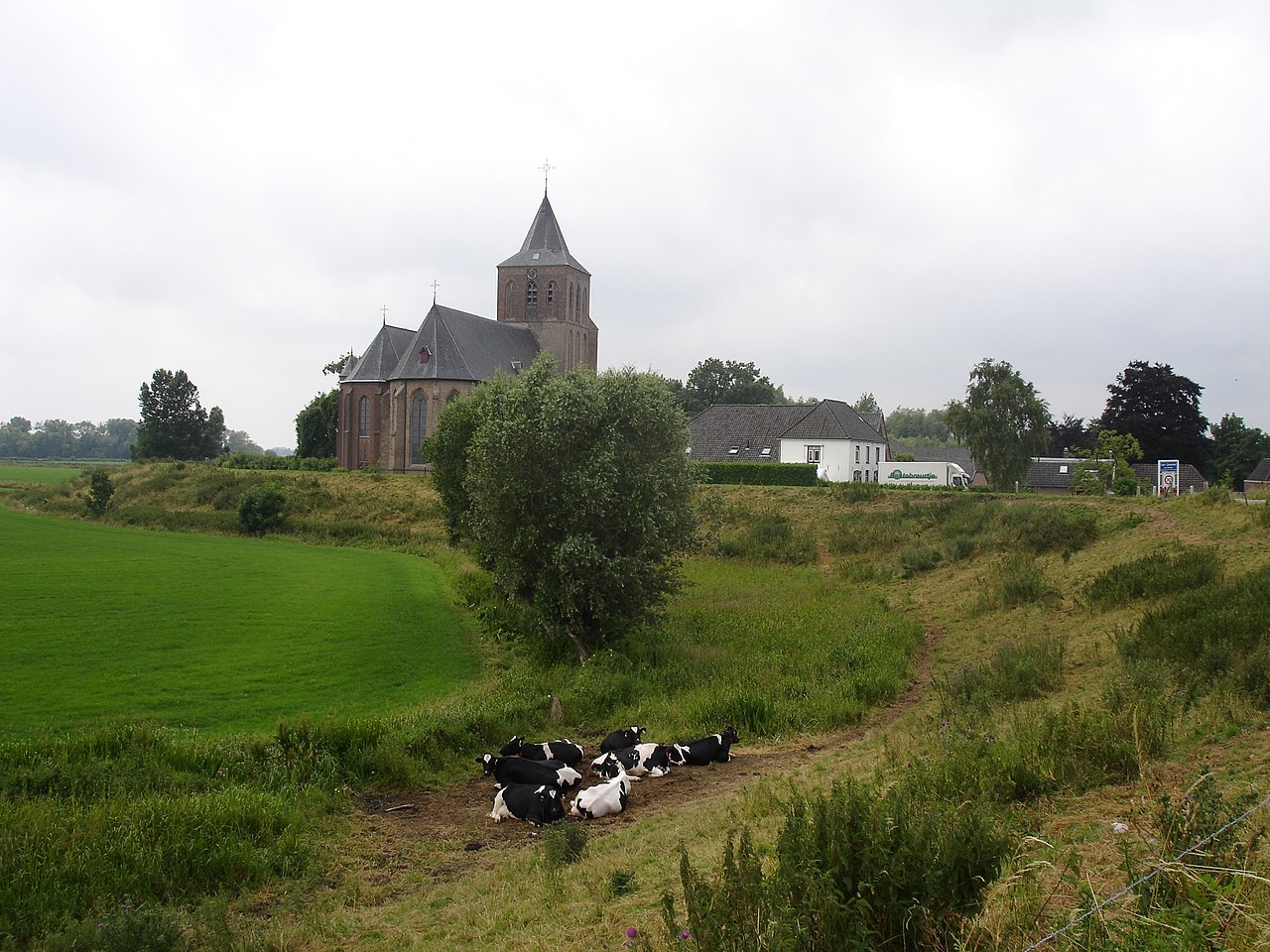


Geography and landscape
Zevenaar occupies low, riverine terrain shaped by the Rhine and the IJssel. The Rhine enters the Netherlands near the small hamlet of Spijk, which lies within the municipal area. To the south and east the municipality borders Germany (Germany), with populated places and transport links close to the international frontier. The northern part of the municipality also adjoins the southeast bank of the IJssel river. The local landscape combines small towns and villages, farmland, riverbanks and floodplains.
History and development
The settlement of Zevenaar grew from medieval origins into a fortified market town and was granted city rights in 1487. Over the centuries it developed as a local administrative and trading centre serving nearby agricultural areas. Architectural traces of its past survive in the historic centre, with traditional houses, churches and civic buildings that reflect its long regional role.
Municipal structure and recent changes
Administratively Zevenaar is the seat of a municipality that covers several population centres and surrounding countryside. In 2018 the neighbouring municipality of Rijnwaarden was merged into Zevenaar, extending its territory along stretches of the Rhine and incorporating additional villages and hamlets. The enlarged municipality combines a mix of urban amenities and rural communities.
Economy, transport and services
Zevenaar's economy is mixed: local commerce, services for surrounding villages, light industry and agriculture are all present. Its border location supports retail and business ties with German neighbours. The town is served by regional road and rail connections linking to larger Dutch cities and to nearby cross‑border routes; public transport and highways provide access for commuters and freight.
Culture, language and notable features
The area preserves regional dialects such as Liemers and Low Saxon variants; local traditions and annual events reflect both Dutch and cross‑border influences. Points of interest include the historic town centre, civic buildings, riverside landscapes and recreational routes along the Rhine and IJssel. Zevenaar's long history, riverside setting and role as a local service centre distinguish it within eastern Gelderland.
Quick facts
- City rights granted in 1487.
- Located on the northeast bank of the Rhine; near the IJssel to the north.
- Merged with the former municipality of Rijnwaarden in 2018.
- Local names in regional speech include Liemers "Zênder"/"Zêvender" and Low Saxon "Zaender"/"Zaevender".
Related articles
Author
AlegsaOnline.com Zevenaar — municipality and city in Gelderland, Netherlands Leandro Alegsa
URL: https://en.alegsaonline.com/art/110535