
Zebrafish (Danio rerio): biology, research importance, and aquarium care
A small freshwater fish native to South Asia, widely used in research for its transparent embryos, rapid development, and genetic tractability; also popular in aquaria as the zebra danio.
Overview
The zebrafish (Danio rerio) is a small freshwater fish commonly called the zebra danio in the aquarium trade. It is native to rivers and streams in South Asia; many popular summaries note its presence in India and neighboring regions. Zebrafish are schooling fish with distinctive horizontal stripes and a streamlined body that make them easy to recognize.
Image gallery
8 Images


Characteristics
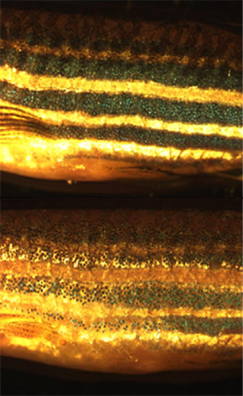
Zebrafish are valued for a set of biological traits that include rapid external development, relatively short generation time, and transparent embryos during early stages. Adults display alternating light and dark lateral stripes, a forked tail, and a set of fins typical of small cyprinids. Behaviorally they are diurnal, omnivorous, and prefer shallow, slow-moving waters in the wild.
Key features at a glance
- Distinctive horizontal striping and schooling tendency
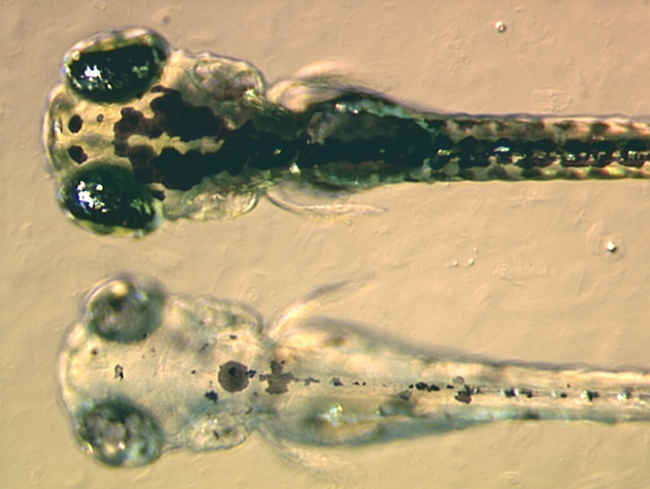
- Externally developing, transparent embryos suitable for live imaging
- High fecundity and comparatively fast maturation
- Adaptability to laboratory aquaria and selective breeding for many color and fin variants
History and development as a model organism
Zebrafish entered laboratories as a model organism in the latter half of the 20th century and were popularized for genetic and developmental studies because embryos can be observed directly under a microscope. Key methodological advances included mutagenesis screens, transgenic technology, and ultimately whole-genome resources that have made the species central for studies of vertebrate development, genetics, and disease mechanisms.
Uses and importance
Researchers use zebrafish to study embryology, organ development, gene function, toxicology, drug discovery, and regeneration. Their transparent embryos allow time-lapse imaging of cellular processes, and genetic tools permit manipulation of gene activity. In toxicology and pharmacology, zebrafish assays enable screening of compounds for effects on development and physiology.
Aquarium keeping and distinctions
In the aquarium hobby zebrafish are popular for beginners due to hardiness and sociable schooling behavior. Many cultivated varieties exist, including long-finned and color morphs. It is important to distinguish Danio rerio from related danio species, which differ in pattern, size, and habitat preferences. For habitat information and regional details see freshwater habitats and regional accounts such as native range summaries.
Notable facts
Among vertebrates, zebrafish are notable for their regenerative capacity in tissues such as fins and heart, and for providing experimentally tractable systems to model human genetic disorders. Their combination of practical husbandry and powerful experimental tools keeps them among the most widely used vertebrate laboratory animals.
Related articles
Author
AlegsaOnline.com Zebrafish (Danio rerio): biology, research importance, and aquarium care Leandro Alegsa
URL: https://en.alegsaonline.com/art/110454
Sources
- fishforever.co.uk : Tropical Fish - Zebra Danios
- fishkeeping.co.uk : Fishkeeping - Caresheets - Zebra Danio () - Danio rerio