
Zap Mama: Marie Daulne's Afro‑European vocal ensemble
Zap Mama is a Belgian musical project led by Marie Daulne blending Central African vocal traditions with European and contemporary influences, evolving from an a cappella female ensemble to a cross‑genre, solo‑led project.
Zap Mama is a musical project founded and long led by Congolese‑born Belgian singer Marie Daulne. Emerging in the late 1980s, the group made an early mark by presenting voice‑based music that bridged African and European influences. From tightly woven, predominantly a cappella female vocal ensembles to later recordings that embrace instruments and modern production, Zap Mama has been recognised for using layered voices, close harmony and rhythmic mouth percussion as central expressive tools.
Image gallery
4 Images
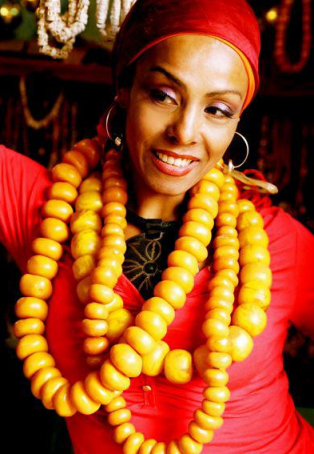
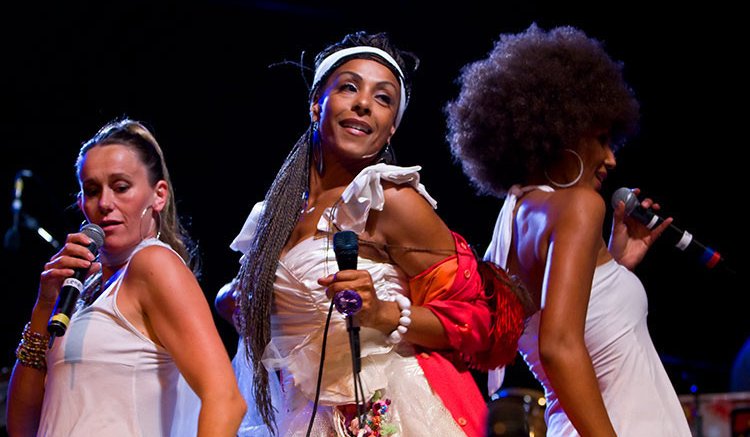

Musical style and techniques
The project is often characterised by a focus on vocal polyphony, call‑and‑response textures and rhythmic vocal effects drawn from Central African singing practices. Early performances emphasised live vocal stacking, collective singing and an organic, acoustic sound. Over time Zap Mama incorporated electronic beats, instrumental accompaniment and cross‑genre arrangements while keeping voice at the core. Lyrics and vocal passages appear in French and English as well as in African languages and idioms, reflecting the multicultural background of the founder and the repertoire.
Origins and development
Zap Mama gave its first public performance in 1989 and recorded a debut album, Zap Mama, in 1991 at Studio Daylight in Brussels; that record was released by the independent label Crammed Discs. What began as a compact female ensemble gradually became a flexible, Daulne‑centred project: Marie Daulne continued to lead creative direction, to shape arrangements and to invite collaborators from a range of musical traditions. This evolution allowed the project to move between intimate vocal showcases and larger, produced studio albums.
Performance, collaboration and contexts
Zap Mama has appeared in concert halls, world music festivals and club venues, presenting programmes that range from acoustic vocal sets to performances featuring instrumentalists and producers from diverse backgrounds. The project has engaged in collaborations across genres, working with musicians and producers from popular, electronic and traditional African music scenes. These collaborations helped the ensemble reach wider international audiences while opening the music to new rhythms and production approaches.
- Early period: female ensemble, a cappella focus and traditional vocal techniques.
- Transition: incorporation of instruments, studio production and cross‑genre work.
- Later phase: a project guided by Marie Daulne that blends world, pop and contemporary sounds.
Reception and significance
Critics and listeners commonly highlight Zap Mama's role in popularising hybrid vocal music and in demonstrating how traditional African vocal practices can be recontextualised in global popular and art music settings. The project is frequently discussed within the world music movement and in studies of diasporic cultural exchange, where it serves as an example of artistic hybridity and of how voice can act as a medium for cross‑cultural communication.
Further information and resources
For biographical background and discography details, consult official and label pages: official biography and label information. For context on the African vocal traditions that influenced the project see introductory resources on Central African singing practices and oral traditions: African vocal roots and traditions. Examples of Zap Mama's use of French language material can be examined through recordings and song texts: French language examples. English‑language repertoire and translations are available in interviews and selected releases: English language examples. For material concerning the project's African linguistic and cultural references, scholarly summaries and ethnomusicological overviews are useful: African language and cultural context.
Zap Mama's legacy lies in an inventive use of the human voice, a commitment to cultural exchange and an ongoing interest in blending inherited musical practices with contemporary sounds. While the project's shape has changed over decades, the central idea of connecting cultures through vocal performance remains a consistent thread.
Related articles
Author
AlegsaOnline.com Zap Mama: Marie Daulne's Afro‑European vocal ensemble Leandro Alegsa
URL: https://en.alegsaonline.com/art/110386
Sources
- intermix.org.uk : ""Marie Daulne Is Zap Mama.""
- cduniverse.com : ""Adventures in Afropea 1.""