
Music of Africa: Traditions, Instruments, and Cultural Roles
Survey of the music of Africa: regional diversity, characteristic features (polyrhythm, call-and-response), common instruments, historical development, social and ritual uses, and global influence.
The music of Africa encompasses a vast range of styles, practices, and instruments across a continent with many cultures and languages. It is primarily oral and participatory: music often exists as an active part of community life rather than as a purely performed art. For a general introduction and further resources see Music of Africa.
Image gallery
7 Images


Distinctive characteristics
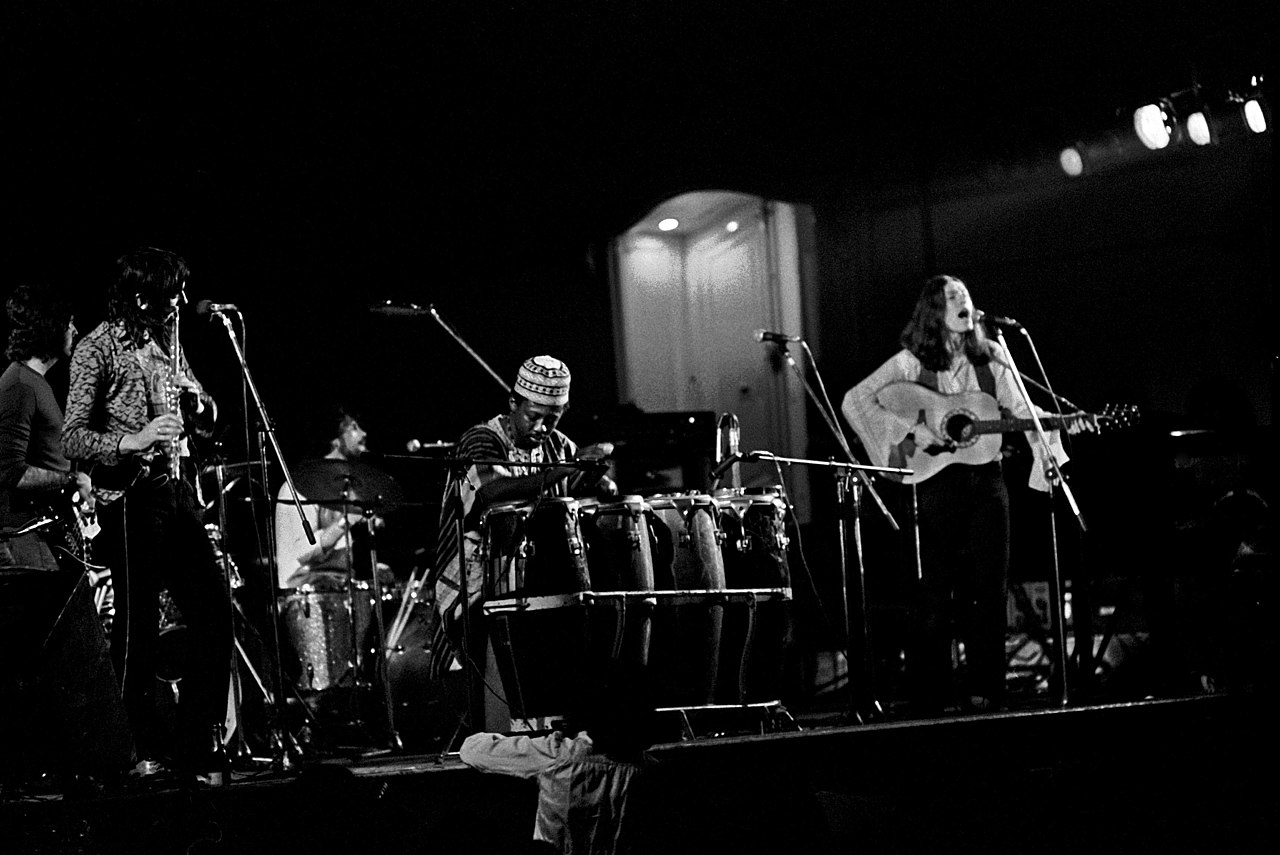
African musical traditions share several recurring features without implying uniformity. Polyrhythm — the simultaneous layering of contrasting rhythmic patterns — is common in many regions. Call-and-response forms, where a leader sings or plays a phrase and a group replies, structure songs and instrumental pieces. Cyclical forms, repetitive ostinatos, and improvisation are frequent, and music is often tightly connected to movement and dance.
Typical instruments and ensembles
Instrumentation varies by region but some widely recognized types include:
- Percussion: hand drums (such as the djembe), hourglass talking drums, and slit drums used for rhythm and communication.
- Plucked/lute instruments: the kora (harp-lute), ngoni and similar lutes used for melodic accompaniment and storytelling.
- Idiophones: the balafon (a kind of xylophone) and metal lamellophones like the mbira or kalimba.
- Winds and horns: flutes, reed pipes, and brass ensembles in areas influenced by external trade and modern military bands.
History and development
Roots of African music extend deep into prehistory and have been shaped by intra-continental exchanges, trade across the Sahara and Indian Ocean, and contacts with Arab, European, and Asian cultures. During and after the colonial period, new hybrid genres emerged. Urban popular forms such as highlife, soukous, juju, Afrobeat, and mbalax blended traditional elements with modern instruments and global styles. African music also significantly influenced music in the Americas and Europe through the African diaspora; elements of rhythm and form contributed to blues, jazz, salsa, and other genres.
Social, ritual, and communicative roles
Music in African societies frequently serves functions beyond entertainment: it marks life-cycle events (birth, marriage, death), accompanies religious and healing rites, transmits history and oral literature, coordinates agricultural and communal labor, and affirms social identity. Performances often involve dance, costume, and coordinated participation from elders and youth, collapsing the boundary between performer and audience.
Notable distinctions and contemporary trends
Regional diversity is a key theme: North African traditions are shaped by Arabic musical modes and instruments, West African music foregrounds complex percussion and communal ensembles, while Southern and East African traditions showcase unique forms like the mbira traditions and coastal taarab respectively. In recent decades, African musicians have increasingly mixed digital production, electronic instruments, and global pop influences with local idioms, bringing renewed international attention to both traditional repertoires and contemporary hybrids.
Questions and answers
Q: What kind of music is found in Africa?
A: The traditional music of Africa is diverse and rich, with many distinct musical traditions in different regions and nations.
Q: For what purpose is music used in Africa?
A: Music is used for religious rituals and ceremonies, passing down stories from generation to generation, as well as for singing and dancing.
Q: How ancient is the traditional music of Africa?
A: The traditional music of Africa is historically ancient.
Q: What role does music play in African religion?
A: Music is very important in African religion, and is used for rituals and ceremonies.
Q: What purpose does singing and music serve in traditional African cultures?
A: Singing and music are used to pass down stories from generation to generation, as well as for singing and dancing.
Q: How diverse is the music of Africa?
A: The music of Africa is rich and diverse, with different regions and nations having distinct musical traditions.
Q: What cultural significance does music have in Africa?
A: Music is an important aspect of African culture, with its rich and diverse traditions being an important part of the continent’s cultural identity.
Related articles
Author
AlegsaOnline.com Music of Africa: Traditions, Instruments, and Cultural Roles Leandro Alegsa
URL: https://en.alegsaonline.com/art/67748