
Zamboanga City, Philippines
A major port city on the Zamboanga Peninsula, known for its Chavacano language, sardine industry, Spanish colonial landmarks, pink-sand beaches and cultural mix of Christian and Muslim communities.
Overview
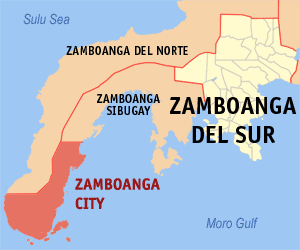
Zamboanga City sits on the southwestern tip of Mindanao and serves as a major port and commercial center for the Zamboanga Peninsula. It is officially one of the largest cities in the Philippines and is often described as the nation’s sixth-largest city in rank and influence. Locally it is known by several names: in Chavacano it is called Ciudad de Zamboanga and in Filipino as Lungsod ng Zamboanga. Its location on Mindanao gives it strategic access to the Sulu Sea and surrounding island provinces.
Image gallery
10 Images


Language, culture and identity
Zamboanga is distinctive for its use of Chavacano, a Spanish-based creole spoken by many residents alongside Filipino, Cebuano and several indigenous and Moro languages. This linguistic heritage is a major reason the city is nicknamed Asia's Latin City. Religious and cultural diversity is also visible: Roman Catholic, Muslim, and indigenous traditions coexist and shape local festivals, crafts and cuisine.
Economy and industry
The city has a mixed economy that includes shipping, fishing, light manufacturing and handicrafts. Zamboanga is widely known as the "Sardines Capital of the Philippines" because a large proportion of the country’s sardine canning industry operates there; many major sardine companies and processing plants are based in the city and nearby waters (sardine industry). Its port facilities and seafood processing also support trade with other parts of the Philippines and neighboring island provinces.
History and notable landmarks
Zamboanga’s history reflects centuries of maritime trade and colonial influence. Spanish-era architecture and religious sites remain focal points for visitors and residents. A prominent historic site is Fort Pilar (Nuestra Señora del Pilar), a fortress and Marian shrine that symbolizes the city’s Spanish past. The city also hosts the annual Zamboanga Hermosa Festival honoring this patroness, a cultural event that blends faith, music and local traditions.
Geography, attractions and crafts
Nearby islands and coastal features add to the city’s appeal. Santa Cruz Island, famous for its pink sand beaches, draws tourists interested in unique coastal landscapes. Within the city, Pasonanca Park and its tree house, waterfront promenades such as Paseo del Mar, and local markets display traditional Yakan weaving and other handicrafts. These crafts are important both culturally and economically, representing skills passed down through community networks.
Administration, communities and distinctions
Administratively Zamboanga City is divided into numerous barangays—98 in total—each with its own local governance and community life. The population is multiethnic and multilingual, reflecting migration, trade and the city’s role as a regional hub. Besides its sardine industry, Zamboanga is notable for its port activity, cultural fusion, and several descriptive nicknames including "City of Flowers." The city’s coastal location and mixed heritage continue to shape its development, tourism, and role within the broader region (city rank).
- Fort Pilar (Nuestra Señora del Pilar)
- Pink sand beaches of Santa Cruz Island
- Pasonanca Park and tree house
- Paseo del Mar and waterfront areas
- Markets featuring Yakan weaving and local seafood
Related articles
Author
AlegsaOnline.com Zamboanga City, Philippines Leandro Alegsa
URL: https://en.alegsaonline.com/art/110369