
Zamora, Spain — Romanesque city on the Duero river
Zamora is a historic city in northwestern Spain, capital of the province of Zamora in Castile and León. Known for its Romanesque churches, medieval walls, cathedral and lively Holy Week traditions.
Zamora is a city in northwestern Spain that serves as the administrative centre of the province of the same name. It sits on a rocky spur above the Duero river and lies close to the border with Portugal. Administratively the city belongs to Castile and León and has long functioned as a regional hub for trade, agriculture and culture.
Image gallery
10 Images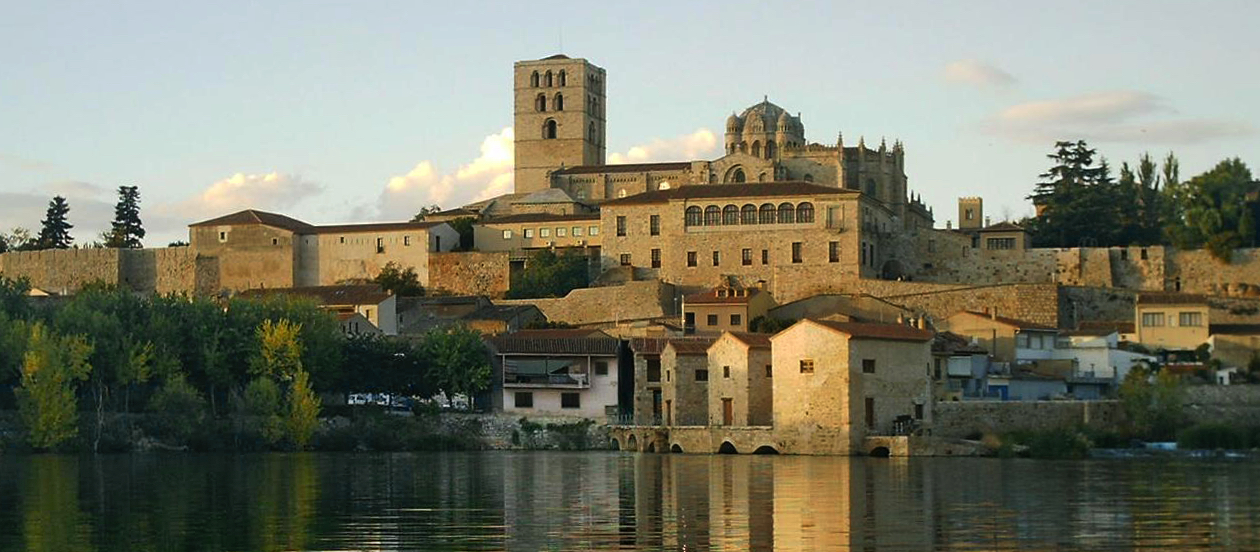


Overview and setting
Zamora's compact historic core preserves a dense concentration of medieval architecture. Its elevated position above the Duero has shaped the urban plan, with narrow streets climbing from the riverbanks to a castle and cathedral on higher ground. The surrounding landscape is part of the Duero river basin, a region associated with cereal cultivation and vineyards.
Architecture and notable sights
The city is widely admired for the number of Romanesque churches and religious buildings that survive from the Middle Ages; for this reason it is often described as one of Spain's most important Romanesque ensembles. The cathedral stands out with a distinctive dome showing Byzantine influence, while fragments of medieval walls, towers and a stone bridge recall Zamora's defensive role in past centuries.
History and development
Evidence indicates settlement in the area since ancient times, and the town grew in importance during the medieval period as kingdoms on the Iberian Peninsula consolidated. Zamora developed as a fortified centre and an episcopal seat, accumulating churches, convents and civic buildings through the 11th–13th centuries. Later centuries brought administrative and economic change, but the medieval heritage remains central to the city's identity.
Culture, economy and festivals
Zamora combines public administration and services with local industry and agriculture. The Duero valley supports vineyards and food production that influence regional cuisine, while craft and tourism play a growing role. The city's Holy Week processions are a major annual event, attracting visitors for their solemnity and elaborate brotherhood rituals.
Visitor information and distinctions
- Major attractions: the Romanesque churches, the cathedral and its dome, the castle and medieval walls, historic plazas and riverfront walks.
- Character: compact medieval core that is walkable by visitors interested in architecture and history.
- Practical note: Zamora's climate tends toward continental extremes—hot summers and cold winters—so seasonal planning is recommended for tourism.
While less frequented than some larger Spanish cultural centres, Zamora is prized by visitors and scholars for the quality and preservation of its medieval monuments and for the atmosphere of a provincial capital shaped by centuries of history along the Duero.
Related articles
Author
AlegsaOnline.com Zamora, Spain — Romanesque city on the Duero river Leandro Alegsa
URL: https://en.alegsaonline.com/art/110373