
Yun Hyu: 17th-century Korean Neo-Confucian Scholar and Statesman
Yun Hyu (1617–1680) was a Joseon-era Neo-Confucian scholar, politician and military figure, noted for his writings, multiple pen names, and participation in the factional politics of late 17th‑century Korea.
Overview
Yun Hyu (윤휴, 尹鑴; 14 October 1617 – 20 May 1680) was a prominent Neo-Confucian scholar, government official and military figure in Korea's Joseon dynasty. Active in the mid- to late-1600s, he is remembered for his intellectual output, his multiple pen and courtesy names, and his role within the political faction known as the Northern party. His career unfolded during a period of intense factional rivalry that shaped Joseon politics and scholarship.
Image gallery
1 Image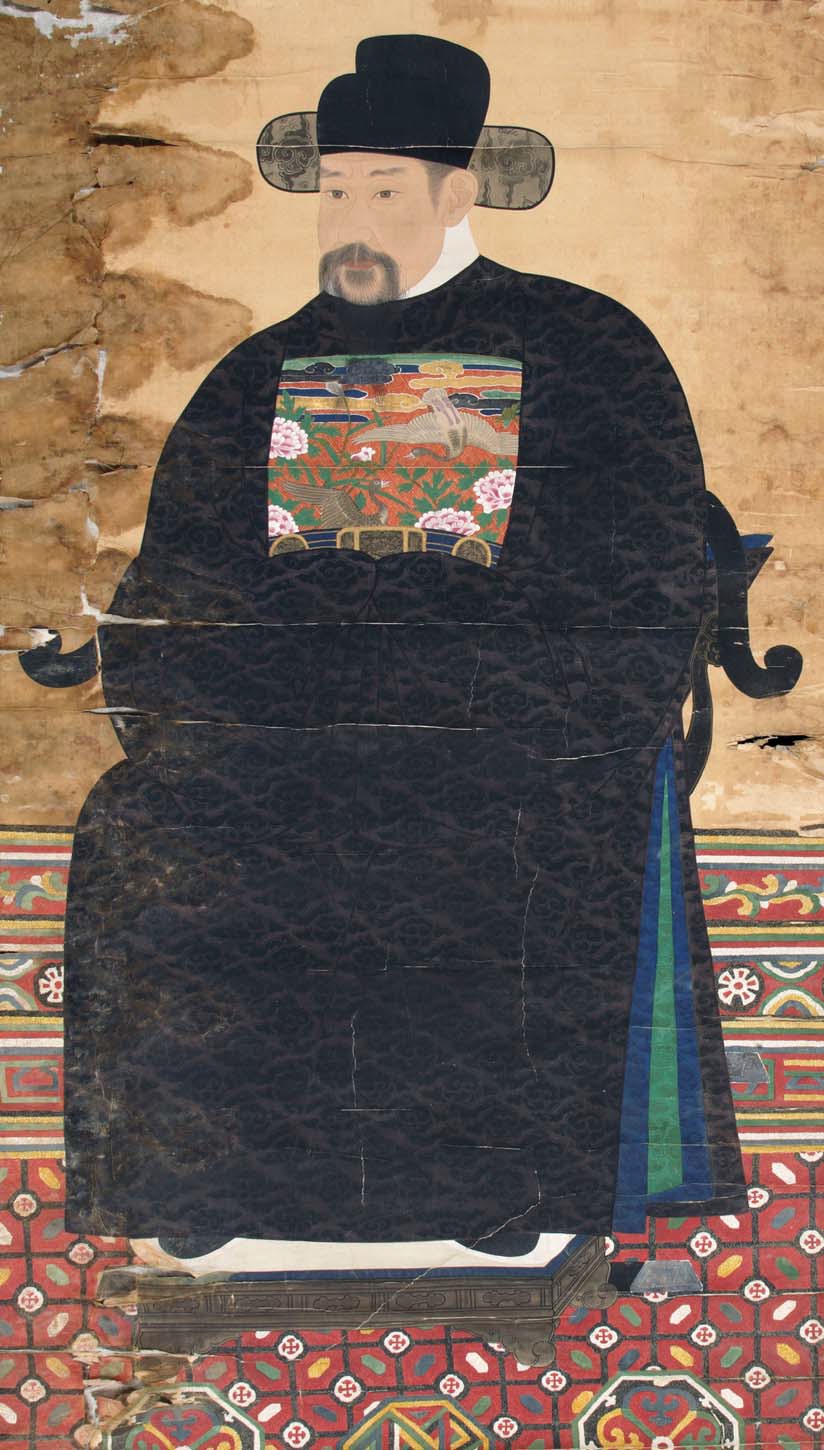
Names and intellectual profile
Like many classical scholars, Yun Hyu used several sobriquets and style names. His pen names included Baegho (백호, 白湖) and Haheon (하헌, 夏軒), and his Chinese-style names were Du'goe (두괴, 斗魁) and Huijung (희중, 希仲). He produced essays, commentaries and poetry that addressed Confucian classics and practical affairs of state, contributing to ongoing debates about interpretation and application of Neo-Confucian principles.
Political and military role
Yun combined scholarship with public service, holding middle-ranking posts and at times engaging in military duties. He aligned with the Northern faction (Buk-in), one of the major political groups in Joseon court life. This alignment brought him into the complex web of rivalries and policy disputes that dominated the period, and his fortunes rose and fell with the ebb of factional influence.
Controversies and later life
The late 17th century was marked by sharply contested ritual, doctrinal and personnel questions; Yun Hyu's positions and factional loyalties made him a target of political opponents. Like several contemporaries, he experienced censure and punishment during factional purges, and his death in 1680 occurred against a backdrop of political turbulence. Historians view his life as illustrative of how intellectual disagreement and court politics were closely intertwined in Joseon Korea.
Legacy and significance
Yun Hyu is studied today as a representative figure of Joseon Neo-Confucianism who bridged scholarly inquiry and practical governance. His writings—on ethics, statecraft and ritual—contribute to understanding 17th-century Korean thought. Scholars also examine his career to trace the effects of factionalism on intellectual life and administrative practice in premodern Korea.
Further reading
Related articles
Author
AlegsaOnline.com Yun Hyu: 17th-century Korean Neo-Confucian Scholar and Statesman Leandro Alegsa
URL: https://en.alegsaonline.com/art/110233