
Yu Kwang-chung: Taiwanese Poet, Critic, and Educator
Overview of Yu Kwang-chung (1928–2017), his life, major works, literary style, academic career, collaborations, and cultural influence in Taiwan and the Chinese-speaking world.
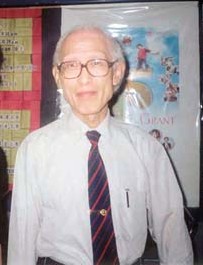
Overview
Yu Kwang-chung (Chinese: 余光中; pinyin: Yú Guāngzhōng; Wade–Giles: Yü Kuang-chung) was a prominent Taiwanese writer, poet, critic and educator. Born in Nanjing in 1928, Yu later relocated to Taiwan, where he became one of the most widely read and influential literary figures of the late 20th century. His work spans lyric poetry, essays, literary criticism and translations, and he is noted for blending classical Chinese forms with modern sensibilities.
Image gallery
2 Images
Early life and education
Yu's childhood in mainland China and subsequent move to Taiwan shaped much of his perspective as a writer who navigated themes of belonging, memory and cultural transition. He received a broad classical and modern education, and later held academic posts abroad, including teaching positions in the United States. His cross-cultural experience informed both his literary style and his role as a mediator between Chinese literary tradition and contemporary issues.
Literary career and style
Yu is known for an accessible yet erudite voice, often using clear imagery, wit and refined language. He worked comfortably in short lyric forms and longer reflective essays, addressing personal feeling, history and the condition of Chinese-language writers after political upheaval. Collaborations and friendships with other poets, notably Luo Fu, were important to the literary circles of Taiwan in the postwar period.
Major works and themes
Among Yu's best-known collections are poems and essays frequently translated into other languages. Representative titles include:
- Lán sè de yǔmáo (often rendered as Blue Feather)
- Zài lěngzhàn de niándài (Cold War Years)
- Yú yǒnghéng báhé (Tug-of-War with Eternity)
His writing often balances personal reflection with cultural commentary, and it is frequently taught in courses on modern Chinese poetry and Taiwanese literature. Critics have praised his linguistic precision, ironic distance and ability to weave classical allusion into contemporary themes.
Academic roles and influence
Yu served as a professor and later as Professor Emeritus at National Sun Yat-sen University in Kaohsiung. He also taught at institutions overseas, including Gettysburg College in the United States, helping to introduce modern Chinese poetry to foreign students and scholars. His dual identity as a public intellectual and a university teacher made him a bridge between academic study and popular readership.
Death and legacy
Yu died on 14 December 2017 in Kaohsiung from complications of pneumonia, at the age of 89. He was married to Fan Wo-tsun from 1956 until his death. His legacy endures through numerous collections, translations and the continued study of his contributions to Chinese-language literature. Readers and scholars remember him for a body of work that negotiates memory, exile and cultural continuity while maintaining linguistic elegance and moral attentiveness.
For further reading on Yu's life, works and influence, consult contemporary literary histories and collections of modern Chinese poetry that discuss postwar Taiwanese literature and its connections to broader Sinophone traditions. Additional resources and archival materials are available through university libraries and cultural institutions that specialize in 20th-century Chinese-language writing.
Related articles
Author
AlegsaOnline.com Yu Kwang-chung: Taiwanese Poet, Critic, and Educator Leandro Alegsa
URL: https://en.alegsaonline.com/art/110146
Sources
- books.google.com : "Land Without Ghosts: Chinese Impressions of America from the Mid-Nineteenth Century to the Present"
- focustaiwan.tw : "President Tsai expresses condolences over renowned poet's death"
- scmp.com : "Poet Yu Kwang-chung dies in Taiwan aged 89"
- taipeitimes.com : "Poet Yu Kwang-chung, 90, dies in Kaohsiung"