
Yorktown, Virginia — historic riverside town and Revolutionary War landmark
Yorktown, Virginia is a small riverside community and the county seat of York County, best known for the 1781 Siege of Yorktown that produced a British surrender and helped bring American independence.
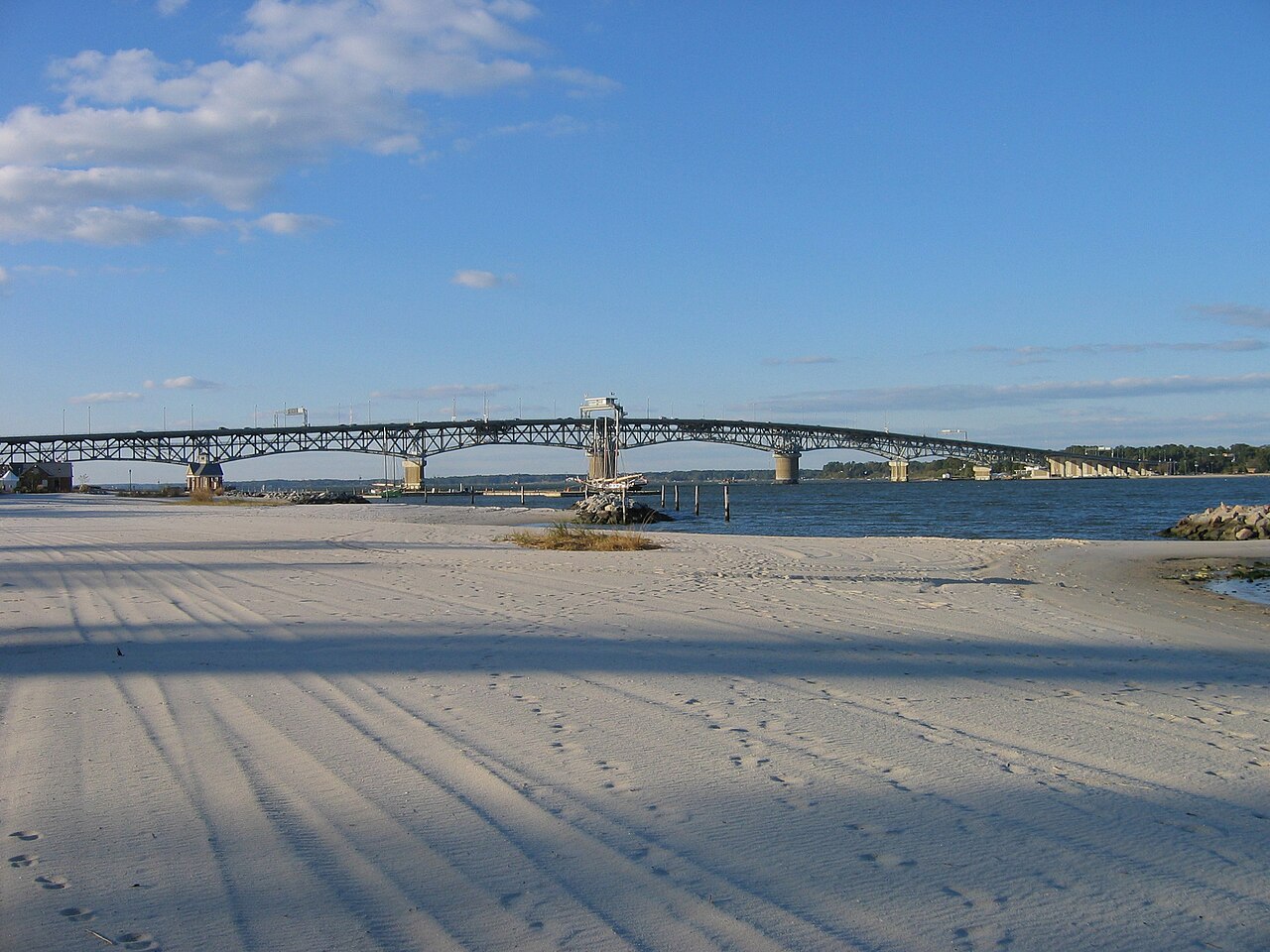
Yorktown is a compact riverside community in southeastern Virginia. Though it serves as the county seat of York County, only a few hundred people live within the town itself. Its quiet streets and waterfront position mask an outsized place in American history: the town and nearby peninsula were the scene of decisive military events that shaped the United States.
Image gallery
7 Images



Historical overview
The town was a colonial port and administrative center before becoming famous in the American Revolution. The culminating engagement there is commonly called the Battle (or Siege) of Yorktown of 1781, in which Continental forces and their French allies besieged a British army. The allied force, led on land by George Washington and supported by the French army under Jean-Baptiste Donatien de Vimeur, comte de Rochambeau, and at sea by the French fleet, compelled the British general Charles Cornwallis to surrender. That surrender set the stage for negotiations that ultimately ended British claims to the thirteen colonies.
Yorktown continued to matter in later conflicts. During the American Civil War, Union forces conducted operations on the Peninsula leading to a protracted April–May 1862 siege near Yorktown; Confederate defenders managed to delay the advance, achieving a temporary tactical success for the Confederate troops and contributing to the broader Peninsula Campaign.
Sites and preservation
Many of Yorktown’s historic resources are preserved and interpreted for visitors. The battlefield area and visitor facilities are part of a larger park system that protects forts, earthworks, and period buildings. Living-history programs, living museums, and interpretive exhibits explain military operations, 18th-century civilian life, and naval actions that accompanied the siege.
Modern significance and visitor experience
Today Yorktown is a destination for people interested in early American history, genealogy, and battlefield studies. Attractions commonly visited include the preserved battlefield, museum exhibits about the Revolution, restored colonial-era structures, and the waterfront where tour boats and interpretation explain the role of rivers and naval power. Annual commemorations and reenactments help convey the events of 1781 to new audiences.
Notable facts and distinctions
- Despite its small population, Yorktown functions as the county seat and a focal point of regional heritage tourism.
- The 1781 surrender at Yorktown is widely regarded as the decisive military event that led to negotiations ending the Revolutionary War.
- The town is part of a trio of sites—together with Jamestown and Williamsburg—often promoted as a Colonial or Historic Triangle for visitors and students of early American history.
For more on the siege, local sites, and visitor information, official resources and park services provide maps, guided tours, and educational materials to help both casual visitors and scholars explore why this quiet town became central to the founding story of the United States.
Related articles
Author
AlegsaOnline.com Yorktown, Virginia — historic riverside town and Revolutionary War landmark Leandro Alegsa
URL: https://en.alegsaonline.com/art/109967