
Young, New South Wales
Young is a regional town in New South Wales, Australia, known for fruit growing and the National Cherry Festival. It sits in a fertile valley on the Olympic Highway and has a history tied to 19th‑century goldfields.
Young is a regional town in New South Wales, Australia. It lies on the Olympic Highway in a broad valley ringed by low hills and serves as the principal town of the surrounding local government area. Located about two hours by road from Canberra, Young functions as a service and commercial centre for farming communities in the area.
Image gallery
10 Images


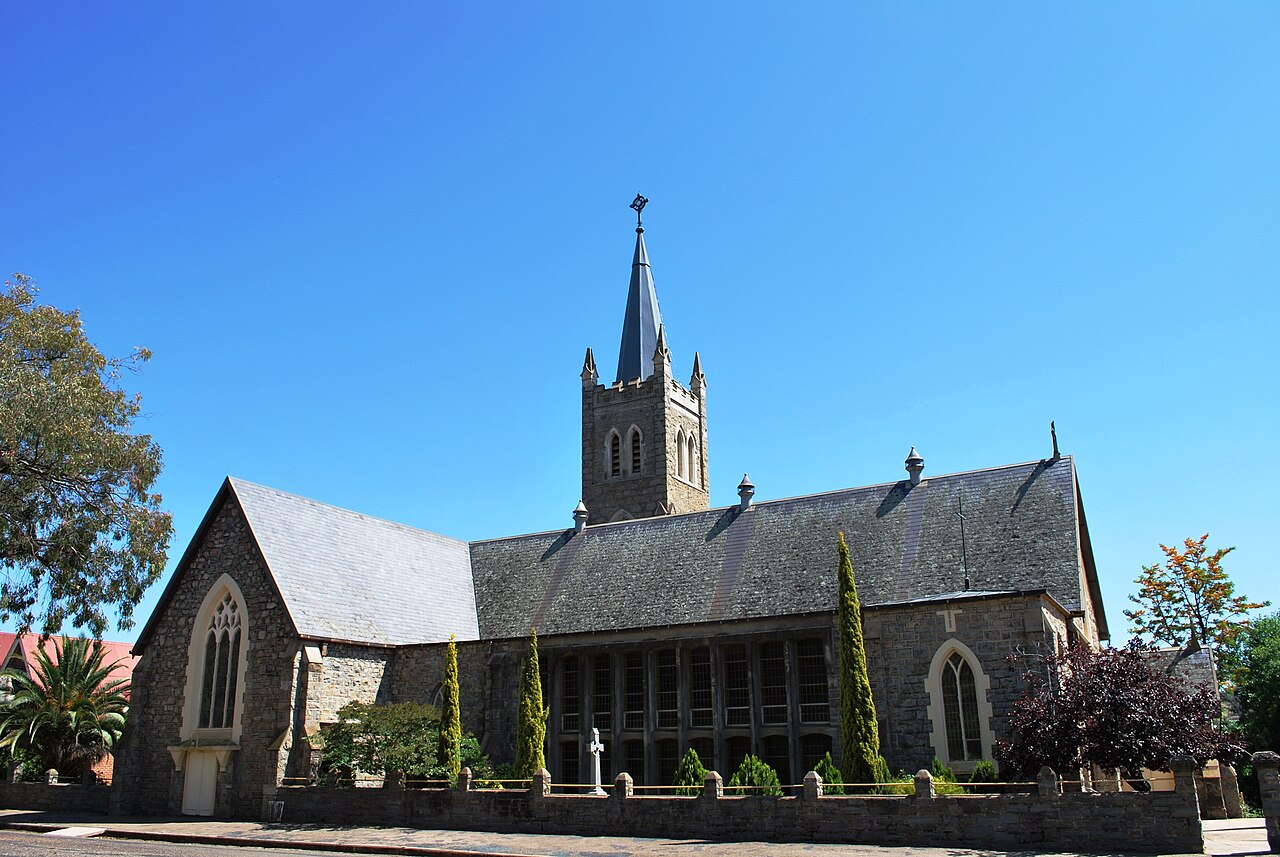


Origins and history
The district was long occupied by Aboriginal people before European settlement, and later attracted miners and settlers during the 19th‑century gold rushes. The town grew around alluvial workings and community establishments of that era. Its early history includes episodes common to many Australian goldfields, and place names and local museums still reflect that heritage. Over time the settlement developed civic institutions, churches and commercial streets that remain focal points today.
Landscape and economy
Young sits in a temperate agricultural district with soils and climate suited to orcharding and mixed farming. The town is widely known for stone fruit production, particularly cherries, which have become an important seasonal crop and local identity. Other agricultural activities include cereals, livestock and horticulture. Local businesses support processing, transport and tourism linked to produce and rural services.
Culture, events and attractions
Young has adopted the informal title "Cherry Capital" and each year hosts a national festival celebrating the harvest and local food culture; the event draws visitors, producers and performers and helps promote agritourism. The town also features heritage architecture, community museums that interpret the goldfield and early settler era, parks and walking routes. Local commemorations and interpretive displays recall the town's multicultural and mining past.
Visiting and transport
- Access: road links along the Olympic Highway and regional roads connect Young with neighbouring towns and regional centres.
- Facilities: the town offers shops, galleries, cafes and seasonal markets catering to visitors and residents.
- Festivals: the national cherry celebration and other community events are major draws for tourism and local trade; the town styles itself around this horticultural identity (Cherry Capital).
Population numbers have varied over time with rural economic cycles; historical census figures offer snapshots of the town's size while contemporary local plans focus on balancing agricultural production, heritage conservation and visitor services.
Questions and answers
Q: Where is Young located?
A: Young is located in New South Wales, Australia.
Q: What is Young Shire?
A: Young Shire is a local government area in New South Wales, Australia of which Young town is the centre.
Q: Which highway is Young situated on?
A: Young is situated on the Olympic Highway.
Q: How far is Young from Canberra?
A: Young is approximately 2 hours drive from Canberra.
Q: What is the population of Young as recorded in 2001?
A: As recorded in 2001, the population of Young was 6,821 people.
Q: What is Young known for?
A: Young is known as the Cherry Capital Of Australia.
Q: What event does Young host every year?
A: Young hosts the National Cherry Festival every year.
Related articles
Author
AlegsaOnline.com Young, New South Wales Leandro Alegsa
URL: https://en.alegsaonline.com/art/110085
Sources
- commons.wikimedia.org : Young, New South Wales
- censusdata.abs.gov.au : "Young (Urban Centre)"
- wikidata.org : wikidata.org/wiki/Q3305212
- visityoung.com.au : "History"
- young.nsw.gov.au : "History of Young"