
Yokozuna — highest rank in professional sumo
Yokozuna is the top rank in professional sumo, awarded to wrestlers who combine sustained championship performance with the dignity and conduct expected of the sport’s grand champion; yokozuna cannot be demoted.
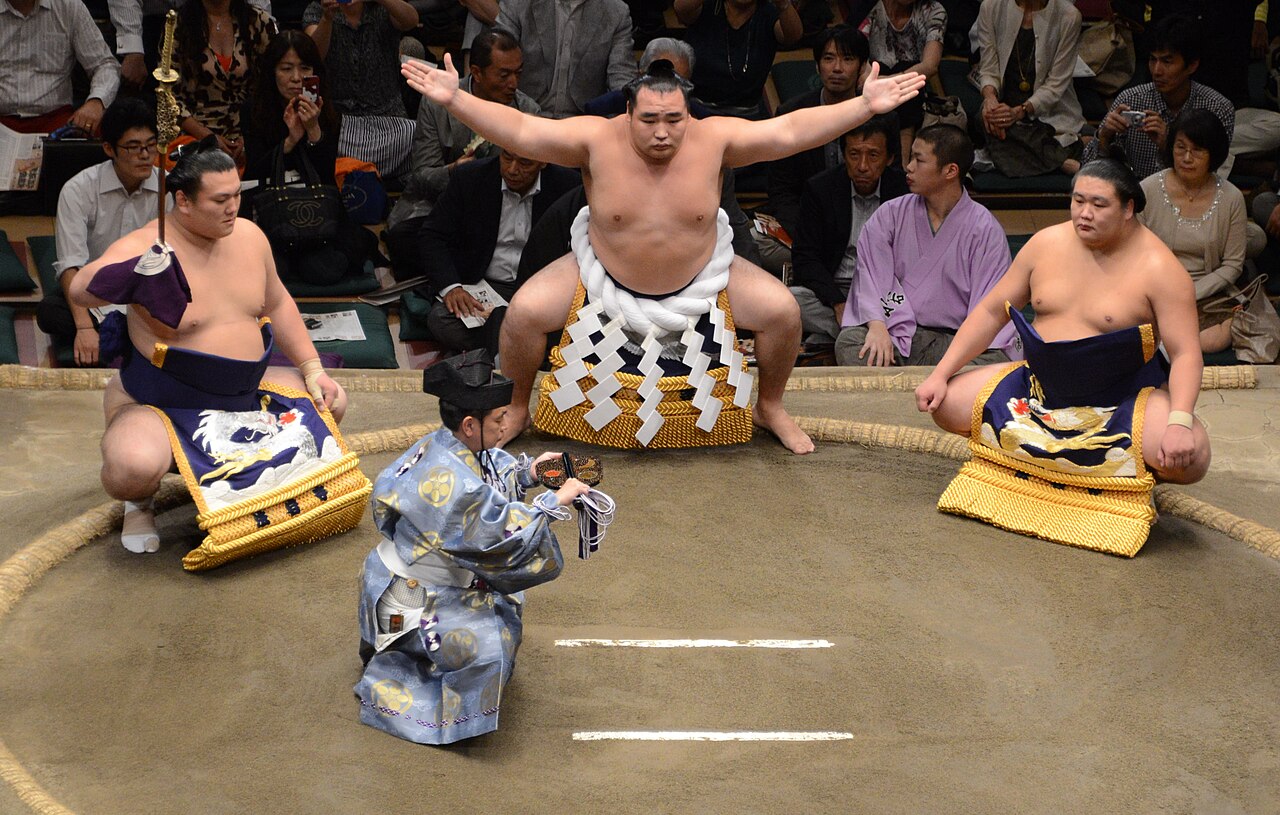
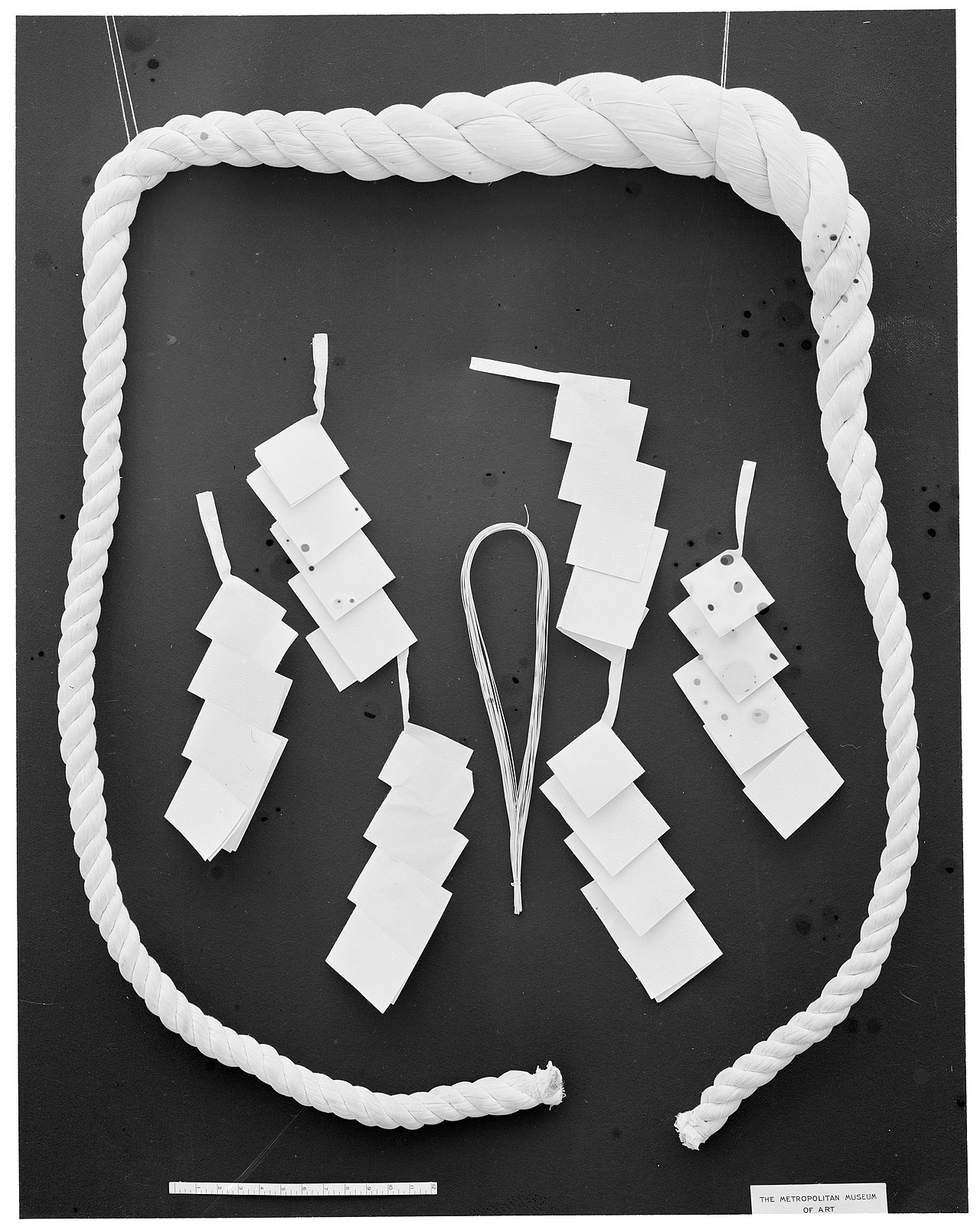
Yokozuna is the highest rank a rikishi (sumo wrestler) can attain in professional sumo. The term refers to the thick braided ceremonial rope (tsuna) worn by a yokozuna during the dohyo‑iri (ring‑entering) ceremony. In modern sumo the title denotes not only superior athletic achievement in the top makuuchi division but also the personal dignity and presence expected of a grand champion.
Image gallery
6 Images



Rank, promotion and expectations
Only wrestlers already ranked in the top division are considered for promotion to yokozuna. The Japan Sumo Association, guided by the Yokozuna Deliberation Council, assesses tournament results, consistency of performance and the candidate’s demeanour. Traditionally, winning two consecutive top‑division tournament championships or producing equivalent dominant results has been the commonly cited standard, but selections also consider whether a wrestler can bear the rank’s prestige. Unlike lower ranks, a yokozuna cannot be demoted; if a yokozuna’s results or behaviour fall far below expectations the accepted response is retirement.
Dohyo‑iri and insignia
Yokozuna perform a special dohyo‑iri wearing the tsuna, a heavy braided rope tied in a distinctive knot. The ceremony emphasizes ritual purity and has prescribed movements; two principal stylistic variants — traditionally associated with different lineages — are widely recognized. During the dohyo‑iri a yokozuna is accompanied by two attendants: a tachimochi (sword‑bearer) and a tsuyuharai (dew sweeper), who follow set roles in the ritual.
History and role
The yokozuna designation evolved from earlier licensing and ceremonial privileges and became formalized as professional sumo developed. Over time the role blended athletic leadership with cultural responsibility. A yokozuna acts as the sport’s figurehead, representing sumo at public events and in media, and is expected to uphold traditions rooted in Shinto ritual and Japanese cultural heritage. Their conduct, training and retirements attract broad public interest.
Notable yokozuna
- Futabayama — remembered for an exceptional unbeaten run in the prewar era.
- Taihō and Chiyonofuji — celebrated for dominance and longevity in the ring.
- Akebono, Asashōryū and Hakuhō — notable as highly successful foreigners who reached the rank and helped globalize interest in sumo; Hakuhō holds the record for most top-division tournament championships.
- Takanohana and Kisenosato — among recent Japanese-born yokozuna recognized for their impact on the sport.
Retirement and legacy
Because demotion is not an option, retirement is the expected course when a yokozuna can no longer meet the rank’s standards, whether from injury, loss of form or conduct issues. Former yokozuna often remain influential in sumo as coaches, elders of the Japan Sumo Association, or public figures who continue to shape the sport’s traditions and public image.
Related articles
Author
AlegsaOnline.com Yokozuna — highest rank in professional sumo Leandro Alegsa
URL: https://en.alegsaonline.com/art/109914