
Yangzhou — historic prefecture-level city on the Yangtze in Jiangsu
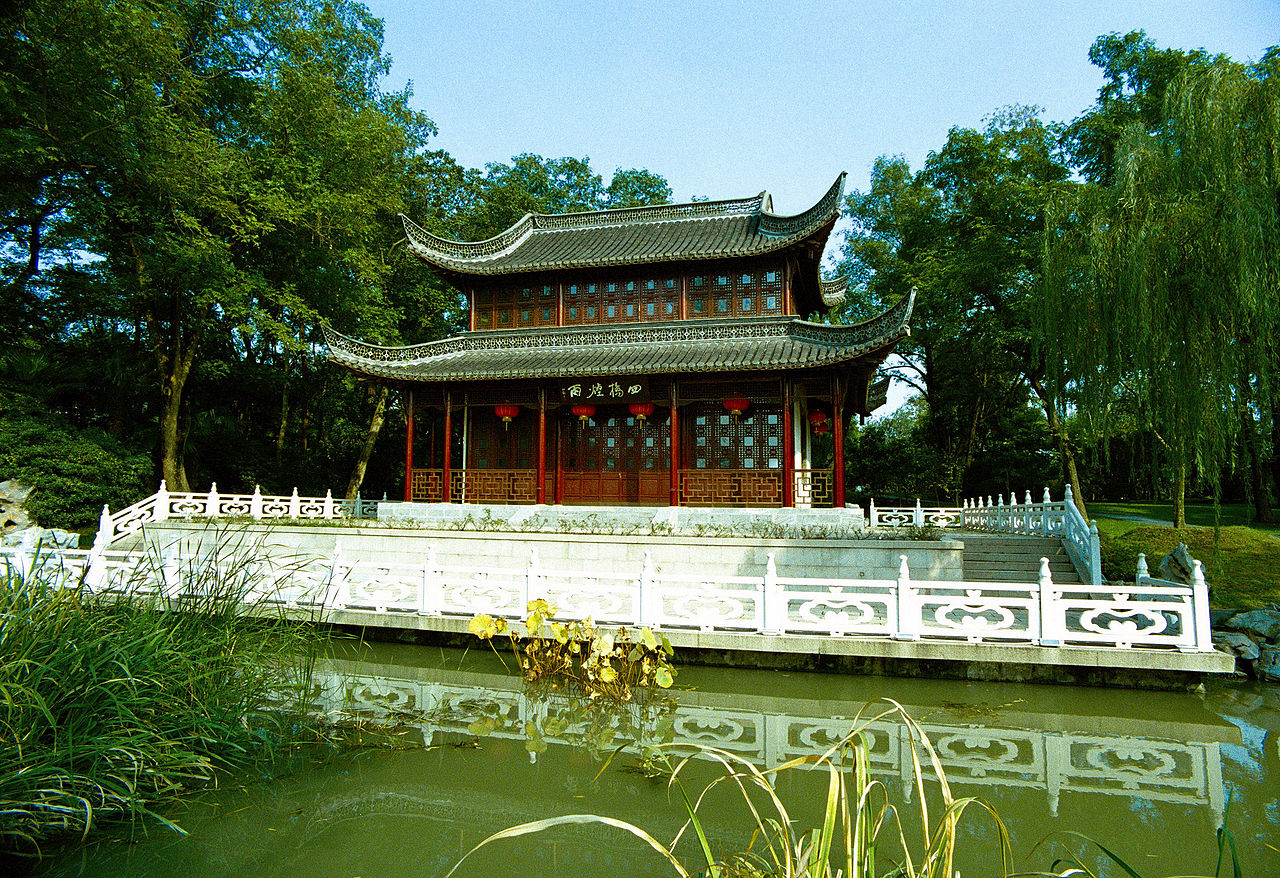
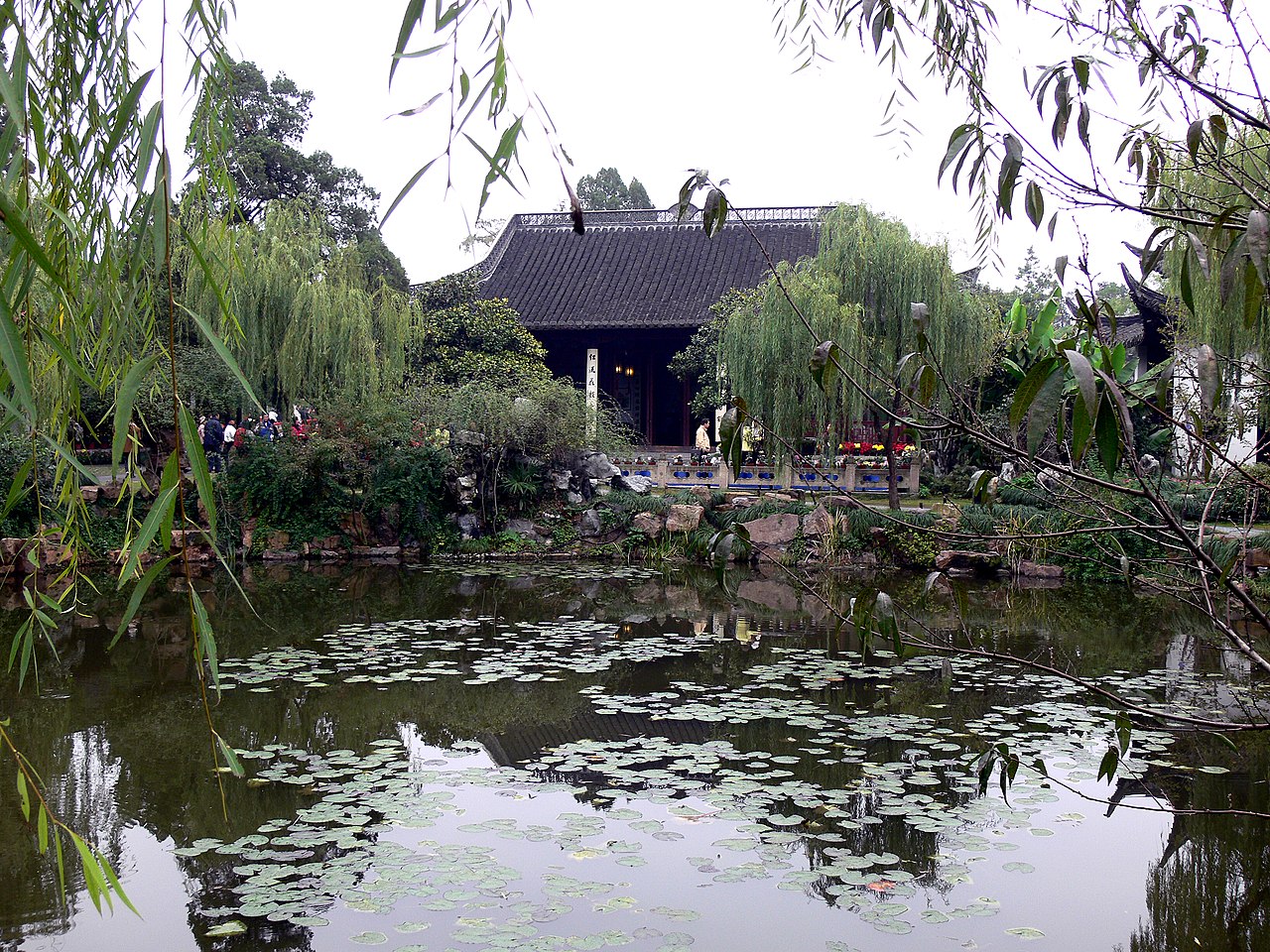
Yangzhou is a historic city in central Jiangsu on the north bank of the Yangtze River, known for its classical gardens, Grand Canal heritage, salt‑merchant wealth, distinctive cuisine and influential arts.
Yangzhou (扬州市) is a prefecture-level city in central Jiangsu province of eastern China, situated on the north bank of the Yangtze River. Historically a transportation and commercial hub where the Grand Canal met river routes, Yangzhou grew wealthy through grain and salt trade and became a cultural center. The 2010 census recorded a population of 4,459,760; more recent estimates vary with urban expansion and administrative changes.
Image gallery
10 Images



Geography and administration
Yangzhou lies in the alluvial plain of the Yangtze, roughly northeast of Nanjing and within the lower Yangtze Delta economic region. The municipality encompasses urban districts and surrounding counties, linking river, canal and road networks. Its position at waterway junctions historically gave it strategic and economic importance.
History and development
Archaeological and historical records show Yangzhou has been inhabited and administratively significant for many centuries. Known in some periods as Guangling, it expanded during imperial eras as a center for salt production and transportation along the Grand Canal. Wealth from trade financed gardens, temples and the patronage of artists and scholars, shaping a legacy visible in surviving architecture and urban layout.
Culture, arts and cuisine
Yangzhou has a rich cultural profile. It was the backdrop for the Yangzhou School of painting and is associated with the so-called "Eight Eccentrics of Yangzhou," a group of Qing‑era artists noted for expressive, individualistic styles. The city also supports traditions of storytelling, lacquerware and embroidery. In cuisine, Yangzhou fried rice (Yangzhou chao fan) is one of the best-known regional dishes internationally.
Notable sites and tourism
Visitors often explore refined classical gardens and waterside scenery. Key attractions include:
- Slender West Lake (a landscaped lake and park area reflecting classical garden design)
- Historic canal streets and preserved merchant homes from Ming and Qing periods
- Temples and pagodas that mark the city’s religious and cultural past
Economy and modern significance
While historical commerce centered on salt and grain, modern Yangzhou has diversified into manufacturing, machinery, textiles, food processing and tourism. Urban development balances heritage preservation with contemporary industry and transport links that continue to connect it to the broader Yangtze Delta economy.
Further reading
For basic references and local information see general introductions and travel guides. Official and academic resources provide more detailed administrative, demographic and historical data: official sources and studies, cultural summaries and regional tourism pages.
Administrative division
At the county level, Yangzhou is composed of three urban districts, one county and two independent cities (population figures: 2010 census). These are:
- Guangling Municipality (广陵区), 468 km², population 341,043, seat of municipal government, city center;
- Hanjiang Municipality (邗江区), 553 km², population 576,909;
- Jiangdu Municipality (江都区), 1,330 km², population 1,006,372;
- Baoying County (宝应县), 1,461 km², population 752,425, capital: Anyi Metropolitan Municipality (安宜镇);
- Yizheng city (仪征市), 857 km², population 564,021;
- Gaoyou city (高邮市), 1,922 sq km, population 744,685.
During the 2010 census, the municipality of Weiyang still existed with a population of 474,611. It was dissolved in October 2011.
Sports
The city is home to the 5500-seat Yangzhou Sports Center Gym. The Yangzhou-Jianzhen Half Marathon (named after the monk Jianzhen) has been held since 2006.
Related articles
Author
AlegsaOnline.com Yangzhou — historic prefecture-level city on the Yangtze in Jiangsu Leandro Alegsa
URL: https://en.alegsaonline.com/art/109613