
Yamagata Prefecture: geography, history, culture and attractions
Yamagata Prefecture in northern Honshu's Tōhoku region: mountainous landscapes, snowy winters, fruit agriculture, hot springs, historic sites such as Yamadera and Dewa Sanzan, and local festivals.

Overview — Yamagata is a prefecture on the island of Honshu in Japan, located within the Tōhoku region. Its capital is Yamagata City. The prefecture is characterized by a mix of coastal plains along the Sea of Japan and an inland, largely mountainous interior crossed by ranges and river valleys. Winters are noted for heavy snowfall in many areas, while summers are warm and favorable to agriculture.
Image gallery
10 Images


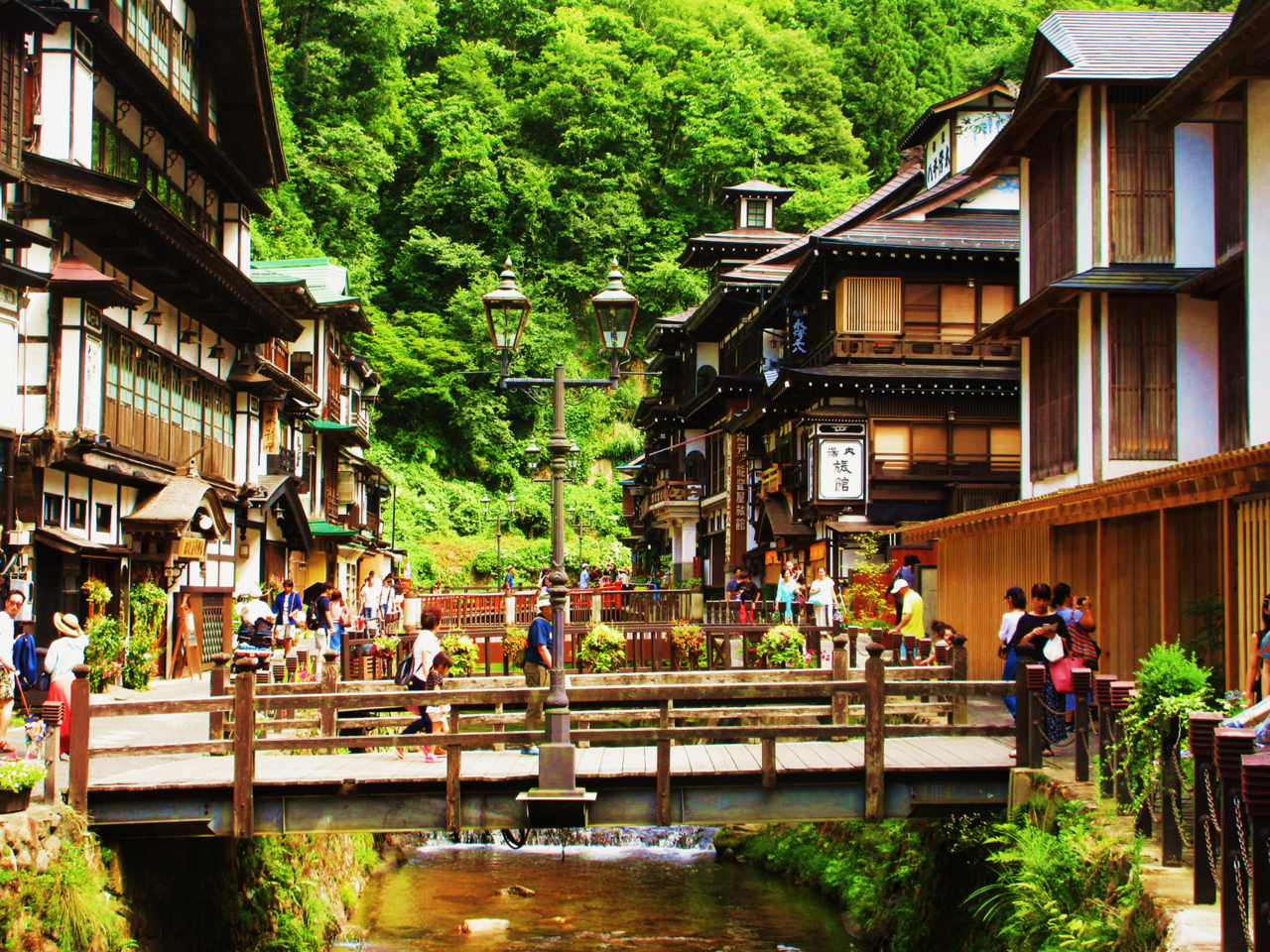

Geography and climate
Much of Yamagata is mountainous, with prominent ranges and volcanoes that shape river basins and microclimates. The coastal zone offers fishing ports and small harbors, while inland valleys provide fertile land for crops. Snowpack in winter supports winter sports and scenic phenomena created by frost-covered trees in certain ranges.
History and development
The area now called Yamagata has deep historical roots and was long part of older provincial divisions of northern Japan. Over centuries it developed through feudal domains, local shrines and temple centers, and later modern prefectural administration. Historic pilgrimage routes and mountain worship continue to influence cultural life.
Economy, agriculture and culture
Agriculture is a major component of the local economy: the prefecture is widely known for fruit production, especially cherries and other orchard crops, as well as rice and vegetables. Forestry, food processing and light manufacturing supplement incomes. Local cuisine emphasizes hearty mountain and river ingredients; community food events and seasonal dishes are part of everyday culture.
Tourism and notable sites
Visitors are drawn to hot springs (onsen), mountain shrines, and historic temple complexes. Well-known destinations include cliffside temples, pilgrimage peaks, and ski resorts with winter landscapes. Festivals, local crafts and seasonal food markets form a regular itinerary for travelers seeking natural scenery combined with regional traditions.
Distinctions and practical notes
- Natural contrasts: sea coasts and highland valleys within a single prefecture.
- Cultural continuity: mountain worship, pilgrimage routes, and local festivals.
- Access: connected by regional transport networks to other parts of northern Honshu.
Yamagata is valued for its blend of agricultural richness, outdoor recreation, and preserved cultural sites, making it a distinctive part of northern Japan's landscape and heritage.
Related articles
Author
AlegsaOnline.com Yamagata Prefecture: geography, history, culture and attractions Leandro Alegsa
URL: https://en.alegsaonline.com/art/109578
Sources
- pref.yamagata.jp : "Yamagata"
- books.google.com : "Yamagata prefecture"
- books.google.com : "Tōhoku"
- books.google.com : "Provinces and prefectures"
- env.go.jp : "General overview of area figures for Natural Parks by prefecture"
- biodic.go.jp : "Bandai-Asahi National Park"
- eos.kokugakuin.ac.jp : "Nationwide List of Ichinomiya," p. 1
- travel-around-japan.com : "Let's travel around Japan!-Yamagata Prefecture-"
- yonezawa-kankou-navi.com : yonezawa-kankou-navi.com
- jnto.go.jp : jnto.go.jp/eng/location/spot/festival/yamagatahanagasa.html