
Yalata, South Australia: community, land and history
Yalata is an Aboriginal coastal community and large reserve in western South Australia, known for its mixed traditional ownership, Pitjantjatjara relocation history during the nuclear era, and later land-rights developments.
Yalata is an Aboriginal community on the coastal plain of South Australia, located about 200 kilometres west of Ceduna. The formally recognised Yalata Aboriginal Land covers several thousand square kilometres and stretches along roughly 150 kilometres of the Eyre Highway, giving the reserve both coastal frontage and extensive inland areas. Although the land is part of South Australia’s network of local government areas on paper, local decision making and everyday life are shaped by community organisations, traditional structures and interwoven relations with neighbouring groups.
Image gallery
2 Images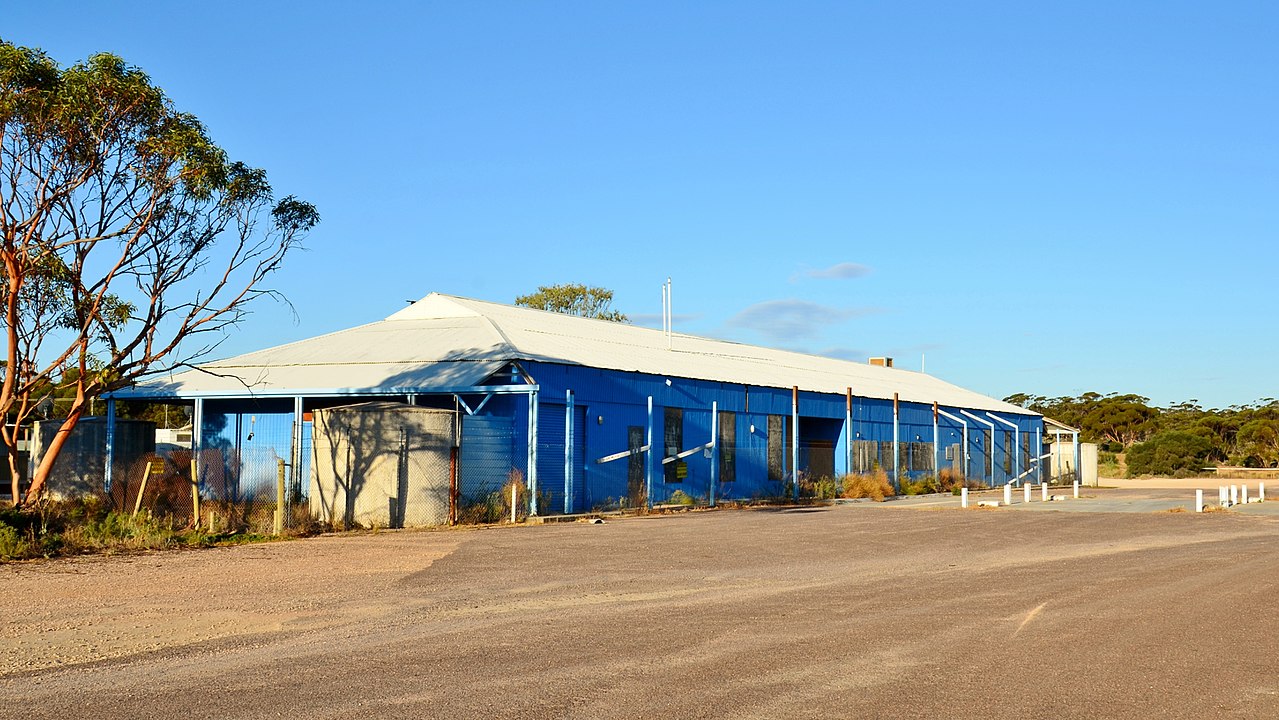

People, language and traditional ownership
The coastal district was traditionally occupied by the Wirangu and Mirning peoples. Today the majority of residents at Yalata are speakers of a southern dialect of Pitjantjatjara, a language associated with the Anangu cultural bloc and the broader Aboriginal lands to the north such as the Anangu Pitjantjatjara Yankunytjatjara lands. Pitjantjatjara is commonly spoken in homes in the community and was reported as a first language in a majority of households in mid-2000s counts; other traditional owner groups with historical connections to the district include Kokatha, Yankunytjatjara, Antakirinja, Pindiini and Ngalea, all part of the wider Western Desert cultural region. Language maintenance, family networks and customary practice remain central to daily life at Yalata, alongside introduced religious and social influences.
Relocation, defence tests and displacement
The present community of Yalata reflects mid-twentieth-century processes of forced movement and dispossession. In the 1950s, many Pitjantjatjara families were displaced from their homelands when large tracts of country to the north were set aside for the Woomera Test Range and associated defence activities. Some families were initially settled at the Ooldea mission before being moved further south to the area that became Yalata in 1952. The relocation has been historically linked with British and Australian nuclear-weapon tests at Maralinga and Emu Field, which affected mobility, land use and access to traditional country for several communities.
Land rights, restitution and return
From the late twentieth century onward, sustained campaigning, legal processes and political action led to recognition and partial restitution of lands affected by testing. In December 1984 the South Australian Parliament acted to return formal title to parts of the Maralinga area, known as Maralinga Tjarutja, and subsequent arrangements and negotiations enabled people from Yalata and inland communities to re-establish a presence on some parts of their ancestral lands in the 1990s. The return of title to traditional owners has been an important step in cultural recovery, land management and legal recognition, although legacies of earlier dispossession remain significant.
Contemporary life, services and economy
Contemporary Yalata is a small, close-knit community where customary culture and modern services coexist. Community administration, environmental management, road services for travellers on the Eyre Highway, small enterprises and arts production are among local work activities. Education, health and housing services are provided through a mix of government and non-government agencies, often delivered in partnership with community organisations. Missionary history has left a strong Christian presence in the region; in recent census returns a substantial share of residents identified with the Lutheran church, reflecting that heritage.
Environment, access and visiting
Yalata’s coastal location gives it varied country: coastal heath and dunes, salt lake systems, and arid inland plains that support traditional hunting and gathering practices as well as contemporary land management programs. The reserve’s position adjacent to the Eyre Highway means it is accessible to travellers and visitors, but respectful contact and prior arrangements with community authorities are required. Researchers, visitors and service providers are encouraged to liaise with community representatives and authorised organisations before making visits or conducting work in the area.
Cultural significance and ongoing issues
Yalata is representative of several broader threads in Australian Indigenous history: enduring cultural practices, language survival, the impacts of defence and testing programs, enforced relocation, and later efforts to secure land rights and legal recognition. The community’s experience underlines the complex intersections of law, policy and customary obligations. Local initiatives continue to focus on language maintenance, education for young people, land and natural resource management, cultural tourism and the assertion of traditional responsibilities across country.
Further information and contacts
For authoritative and up-to-date information, community guides, regional land councils and government services can provide guidance. Relevant topics include governance of Aboriginal lands, cultural protocols, environmental programs and historical records relating to defence testing and land title. Official resources and community organisations should be consulted directly via appropriate channels for permissions, histories and visitor information.
- Yalata community information
- South Australia regional overview
- Local government and administrative context
- Pitjantjatjara language and dialects
- Anangu Pitjantjatjara Yankunytjatjara lands
- Pitjantjatjara language resources
- First language and home use data
- Western Desert cultural region
- Woomera Test Range history
- Nuclear testing and its impacts
- Land title and Maralinga Tjarutja
- Religious history and Lutheran links
Related articles
Author
AlegsaOnline.com Yalata, South Australia: community, land and history Leandro Alegsa
URL: https://en.alegsaonline.com/art/109566
Sources
- censusdata.abs.gov.au : Australian Bureau of Statistics (25 October 2007)
- ecsa.sa.gov.au : "District of Flinders Background Profile"
- aec.gov.au : "Federal electoral division of Grey, boundary gazetted 16 December 2011"
- environment.gov.au : "Yalata Indigenous Protected Area"
- censusdata.abs.gov.au : ABS 2006 Yearbook
- aic.gov.au : Wayward governance : illegality and its control in the public sector
- hansard.millbanksystems.com : Atomic Test Site (South Australia)