
Xenophon of Athens: soldier, historian, and student of Socrates
Greek historian, soldier, and writer of the 4th century BC. Xenophon recorded military campaigns, preserved Socratic conversations, and wrote practical manuals and political portraits that influenced later thought.
Xenophon was a Greek writer and soldier active in the 4th century BC who combined first‑hand experience with a practical, readable style. He is remembered both as a recorder of events and as a transmitter of Socratic ideas. His career bridged military service, political exile, and literary production, producing narratives that preserve aspects of Greek and Persian life otherwise lost to history.
Image gallery
10 Images
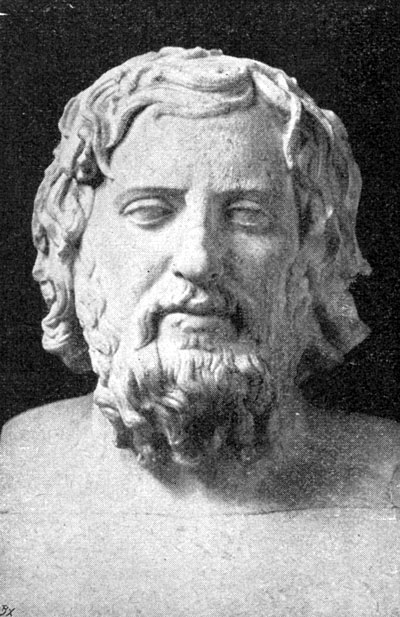


Life and career
Born in Athens into a reasonably well‑off family, Xenophon became involved in military ventures and in the complex politics of the Peloponnese. He is best known for leading and helping to guide a force of Greek mercenaries back from deep in Persian territory; that episode shaped his reputation as both a commander and an eyewitness historian. Later episodes in his life included exile from Athens and a period living under Spartan patronage, after which he continued to write about the world he had experienced.
Major works and themes
- Anabasis — an engaging account of the march of Greek mercenaries through the Persian interior and their long return home; it combines practical detail, military anecdote and leadership lessons. See an introduction to this episode via Anabasis.
- Hellenica — a historical continuation of earlier accounts of the Peloponnesian wars and their aftermath; valued for its chronological narrative of events in Greece.
- Cyropaedia — a partly fictionalized biography of Cyrus the Great that reads as both a historical sketch and a treatise on rulership; it influenced later political thinkers and is often studied for what it reveals about Greek ideas of kingship. Related commentary appears at study resources.
- Memorabilia, Apology, Symposium — collections of dialogues and recollections that preserve many sayings and arguments associated with Socrates; these works complement other sources for Socratic thought and ethics. See notes on Socratic writings at Socratic texts.
- Practical manuals — short treatises such as Oeconomicus (household management), On Horsemanship and On Hunting, which reflect Xenophon’s interest in effective practice and good governance.
Writings attributed to him range in purpose from narrative history and political portraiture to instruction in everyday skills; this variety helps explain his long appeal. His narrative voice is often direct, anecdotal, and focused on leadership and conduct rather than abstract theory.
Historical importance and influence
Xenophon’s value lies partly in his role as an eyewitness and collector of oral testimonies: military details, administrative practices in the Persian world, and many remembered conversations of Socrates survive primarily because of his accounts. His works influenced later historians and political writers and have been used by scholars to reconstruct Greek institutions and attitudes. Because he sometimes mixed moralizing or pedagogical aims with reportage, readers approach his statements with attention to both factual content and authorial purpose. For further context on Greek and Persian society in his pages see general background at ancient world summaries.
Distinctive features and scholarly view
Scholars note that Xenophon’s interests were eclectic: he valued practical wisdom, clear narratives, and examples of leadership. He could favor certain political allies in his history and at times idealize figures he admired, which invites critical reading. Still, his combination of soldierly detail, conversational record, and didactic reflection makes his corpus an indispensable window onto classical Greece, its neighbors, and the intellectual circle around Socrates. Further reading and translations are listed in many modern collections and guides; a good starting point is the general reference entry at reference overview.
Related articles
Author
AlegsaOnline.com Xenophon of Athens: soldier, historian, and student of Socrates Leandro Alegsa
URL: https://en.alegsaonline.com/art/109456