
WWF The Wrestling Classic (1985)
A 1985 World Wrestling Federation pay-per-view held at the Rosemont Horizon featuring a 16-man single-elimination tournament won by Junkyard Dog over Randy Savage.
WWF The Wrestling Classic was a major professional wrestling event produced by the World Wrestling Federation and staged on November 7, 1985. Presented as a national pay-per-view spectacle, the show took place at the Rosemont Horizon arena in Rosemont, Illinois. The card was built around a 16-man single-elimination tournament whose final match served as the evening's headline bout.
Image gallery
2 Images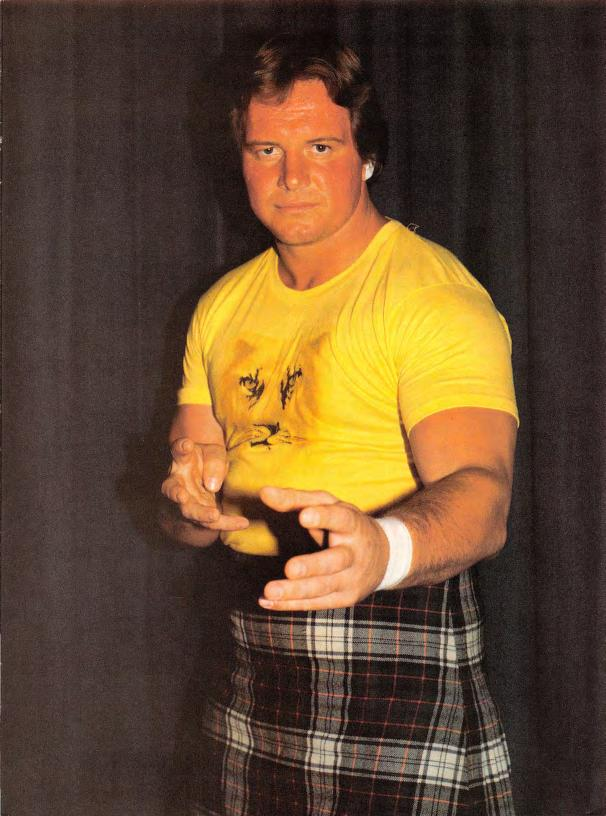

Overview
The Wrestling Classic was organized during the mid-1980s expansion of the WWF into pay-per-view television. The promotion billed the event as a large-scale tournament featuring many of its roster's notable competitors. The tournament culminated in a final between Junkyard Dog and Randy Savage, with Junkyard Dog emerging as the tournament winner. The event combined tournament action with non-tournament matches and studio-style presentation elements common to televised wrestling at the time.
Tournament format and key facts
- Format: 16-man, single-elimination tournament designed to produce a definitive winner in bracket-style rounds.
- Date and venue: November 7, 1985, at the Rosemont Horizon in Rosemont, Illinois.
- Promotion and broadcast: Presented by the World Wrestling Federation as a national pay-per-view and closed-circuit attraction; commonly referred to in television listings as a PPV.
- Main event: The tournament final, with Junkyard Dog defeating Randy Savage to win the tournament.
Card characteristics and presentation
The event emphasized an elimination-tournament structure rather than a single headline title defense. Matches tended to be shorter, advancing the bracket toward the semifinals and final. In addition to the bracketed contests, the show included non-tournament bouts and commentary segments that framed the competitors’ rivalries. Production values reflected mid-1980s broadcast standards: ring entrances, arena lighting, and in-ring commentary were focal points used to build drama between rounds.
Reception and historical significance
As one of the WWF’s earliest experiments with pay-per-view beyond WrestleMania, The Wrestling Classic occupies a specific place in professional wrestling history. Contemporary and retrospective assessments note the event as a notable attempt to adapt tournament-style competition to the pay-per-view format. While reviews were mixed—praising the novelty of a large bracketed tournament but sometimes critiquing pacing and match lengths—the event is remembered for its role in the WWF’s 1980s expansion and for delivering a memorable final that highlighted two of the era’s popular performers.
Legacy
The Wrestling Classic is often cited by historians and fans as a representative example of mid-1980s wrestling booking and television presentation. Its single-elimination tournament concept has recurred in various forms across wrestling promotions, but the specific 16-man tournament at this 1985 WWF show remains a distinctive moment in the promotion’s development of pay-per-view programming.
For more detailed match listings, bracket results and contemporary reporting, consult primary event listings and archival sources from the period.
Related articles
Author
AlegsaOnline.com WWF The Wrestling Classic (1985) Leandro Alegsa
URL: https://en.alegsaonline.com/art/109368
Sources
- profightdb.com : "WWF The Wrestling Classic Results"